Today's Quantum Pulse
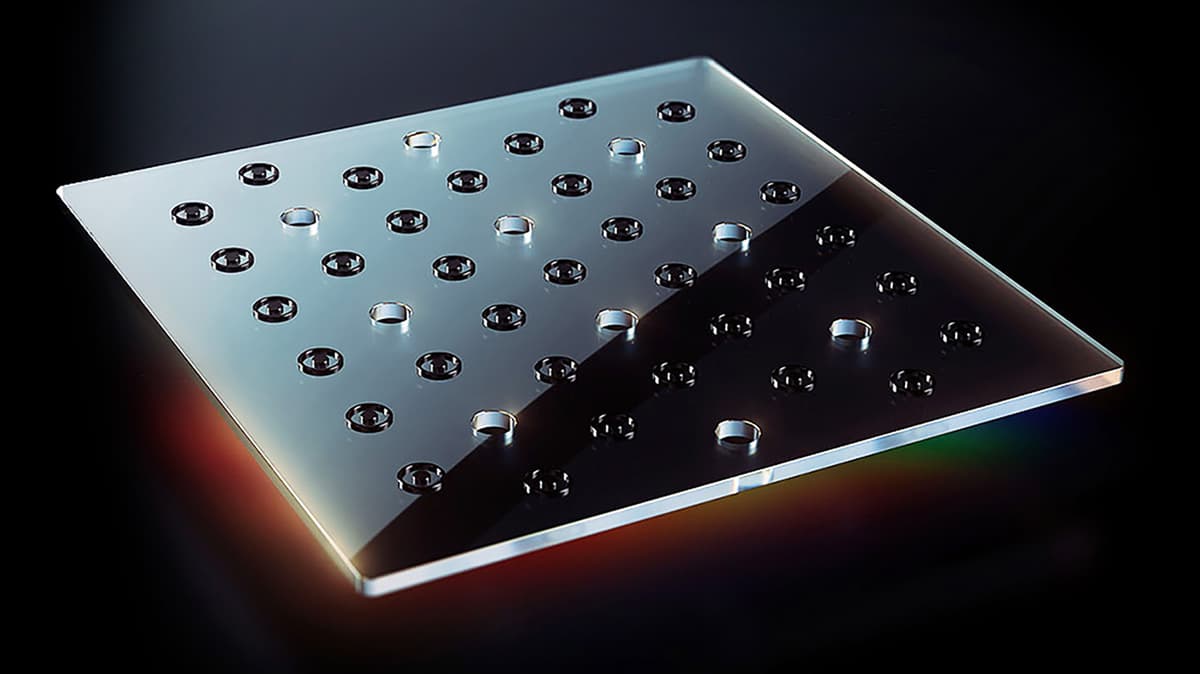
JPMorgan, OQC and AMD launch a hybrid quantum‑AI data centre in London
Oxford Quantum Computing, JPMorgan Chase and AMD announced a joint research effort to build a colocated quantum‑AI data centre in London. The facility will combine OQC’s Genesis quantum processor with AMD’s AI and high‑performance computing hardware to create a hybrid platform for finance‑focused workloads such as portfolio optimisation and quantum machine learning.
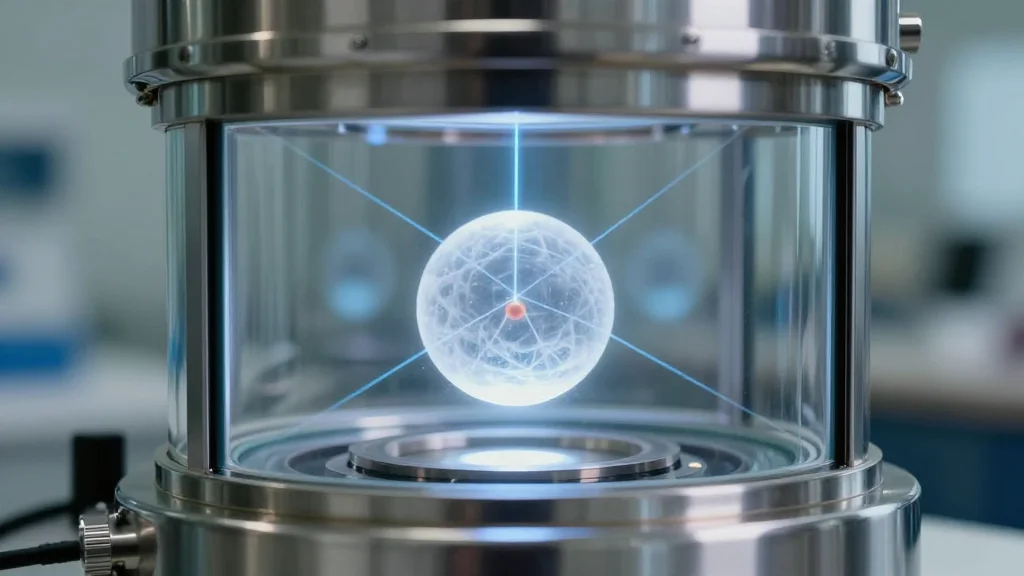
Physicists Pinpoint Mechanism Behind Quantum Gas That Defies Heating
Researchers from China and Austria identified the microscopic mechanism that prevents a one‑dimensional quantum gas from heating, publishing their findings in Physical Review Letters. The work links strong atomic interactions to dynamical localization, offering a new theoretical framework for non‑thermalizing quantum systems.
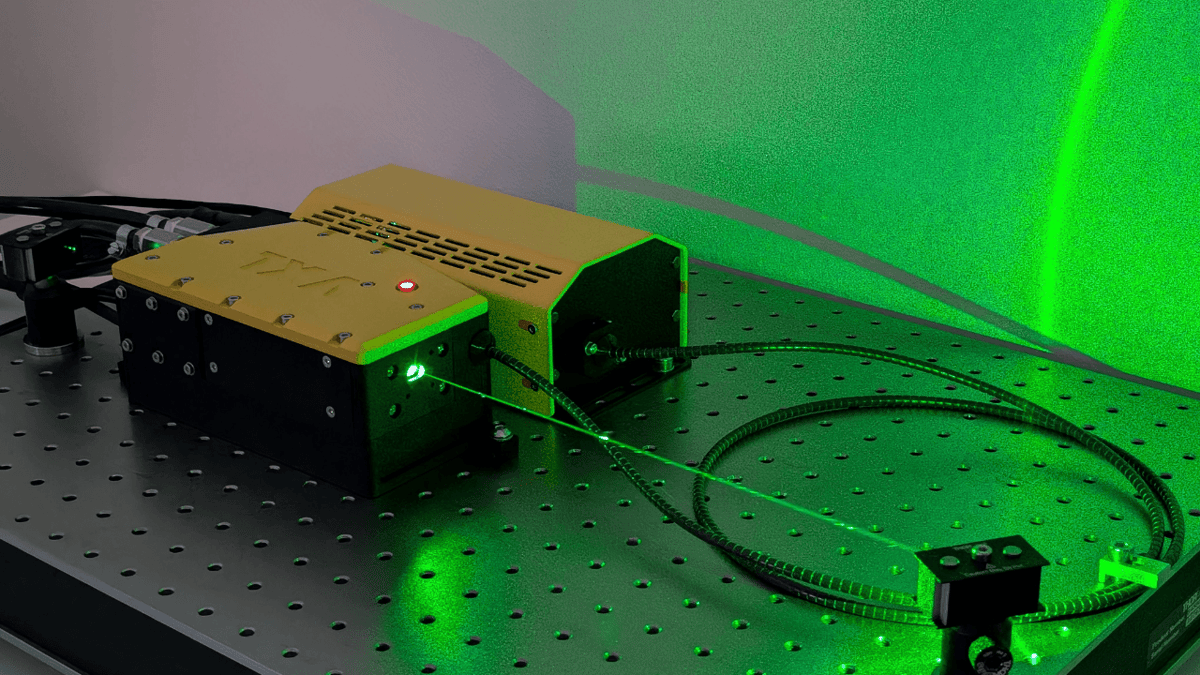
The Quantum Bottleneck Isn’t Chips — It’s Lasers, and Vexlum Wants to Fix It
Vexlum, a Finnish spin‑out focused on III‑V semiconductor lasers, is transitioning from boutique production to its own semiconductor fab to satisfy rising demand for high‑power, low‑noise laser sources. Its VECSEL technology provides compact, multi‑wavelength lasers crucial for quantum computers, atomic...

QGI (Quantum General Intelligence) Introduces Quantum Algorithm Engine for Real-World Production AI Systems
Quantum General Intelligence (QGI) unveiled Q-Prime, a quantum‑structured embedding model, and opened public preview of its Quantum‑Augmented Generation (QAG) Engine. The engine applies quantum‑mechanics concepts such as superposition and interference on standard NVIDIA GPUs, delivering deterministic reasoning for enterprise AI....
IBM and UIUC Ink Deal to Boost Transmon Qubit Coherence and Quantum‑Centric Supercomputing
IBM has signed a new agreement with the University of Illinois Urbana‑Champaign to expand the Discovery Accelerator Institute, aiming to improve transmon qubit coherence and fuse quantum processors with high‑performance computing. The pact gives UIUC students and researchers cloud access...
DARPA Awards Infleqtion $2 Million to Build Heterogeneous Quantum Software Platform
Infleqtion (NYSE: INFQ) won a $2 million, 24‑month contract from DARPA’s Heterogeneous Architectures for Quantum (HARQ) program to create Multistaq, a compiler that can target multiple qubit technologies. The award positions the Chicago‑based firm at the forefront of federal quantum‑software initiatives...
AI Model Beats General AI at Quantum Calibration
I fear the AI engineers are going to cook us, quantum. 13 institutions across industry, national labs, and academia, covering superconducting, neutral atom, and electron-on-helium hardware just released Ising Calibration 1 and QCalEval. It's a 35B parameter vision-language model (mixture of experts)...

Enterprises Are Ramping up Preparations for a Post-Quantum World – Experts Worry It Could Be Too Late for Many
Post‑quantum computing adoption is accelerating, with Juniper Research projecting users to rise from 35,000 this year to over 100 million by 2035, yet only 27% of firms plan to implement quantum‑secure safeguards in time. Google now predicts quantum computers capable of...

Coinbase Says Bitcoin Not at Risk to Quantum
The Coinbase Quantum Advisory Council announced that Bitcoin’s core infrastructure—mining, hash functions, and historical data—is not presently vulnerable to quantum attacks. A multi‑institution research paper supports this view but warns that wallet‑level private keys could become exposed as quantum computers...

XRP Ledger to Be Quantum-Proof Years Before Bitcoin
Ripple announced a hard deadline to make the XRP Ledger quantum‑proof by 2028, positioning it years ahead of the industry’s estimated "Q‑Day" in the 2030s. The roadmap, detailed by senior director Ayo Akinyele, outlines cryptographic upgrades that will protect the...

AES-128 Will Survive Cryptographically Relevant Quantum Computers
Ars Technica reports that AES‑128 encryption remains robust even against cryptographically relevant quantum computers. The analysis shows Grover’s algorithm provides only a quadratic speedup, and its advantage shrinks when the attack is parallelized across multiple quantum processors. Consequently, the effective...

Cabling for Next-Gen Quantum Computing Infrastructures
Quantum computing’s growth hinges on reliable, low‑thermal I/O infrastructure. Delft Circuits’ Cri/oFlex superconducting cables replace traditional wiring inside cryostats, delivering higher channel density and reduced heat transfer. The solution bridges warm control electronics with ultra‑cold quantum processors, supporting the high‑frequency...
Analysis Confirms Quantum Computers Won’t Undermine 128‑Bit Symmetric Encryption
A new analysis on the cryptography blog words.filippo.io refutes the widespread belief that quantum computers halve the security of symmetric keys, confirming that AES‑128 and SHA‑256 retain their strength. The piece explains why Grover’s algorithm does not provide a practical...

Scientists Load Complete Hepatitis‑D Genome Onto IBM’s 156‑Qubit Quantum Processor
Teams from the Wellcome Sanger Institute, Oxford, Cambridge and Melbourne have encoded the entire 1,700‑base‑pair hepatitis‑D virus genome onto IBM’s 156‑qubit Heron quantum processor. The proof‑of‑concept demonstrates a pathway to quantum‑accelerated genomics, with researchers eyeing future speedups of up to...
Nvidia’s Open‑Source Ising Platform Boosts Quantum Stock Rally
Nvidia unveiled its Ising family of open‑source models on April 14, positioning AI as the control plane for quantum machines. The announcement coincided with a 60% jump in IonQ and double‑digit gains for D‑Wave, Rigetti and Quantum Computing Inc., underscoring...

Clustered‑Cyclic qLDPC Codes Spotlighted at Growing QEC2026
The accepted talks at #QEC2026 on #QuantumErrorCorrection are out. This conference has grown from a small fringe event into a major conference, mirroring the rapid development of the field. https://t.co/A7laIEyznK I am glad to see our work on clustered-cyclic codes on the...

Ripple Wants the XRP Ledger to Be Quantum-Proof by 2028. Here Is Its Plan
Ripple announced a four‑phase roadmap to make the XRP Ledger quantum‑resistant by 2028. The plan starts with an emergency “Q‑day readiness” phase that would require all funds to move to quantum‑safe accounts and enable recovery via zero‑knowledge proofs. Subsequent phases...
France Triples Quantum Defense Budget to Preserve Strategic Edge
France announced on April 17 that it will triple its quantum‑technology defense budget, a move aimed at safeguarding its strategic advantage. Minister of the Armed Forces Catherine Vautrin framed the investment as essential to staying ahead in the global quantum...
Washington Allocates $500K to Boost IonQ’s Bothell Quantum Expansion
Governor Bob Ferguson announced a $500,000 grant from Washington’s Economic Development Strategic Reserve Fund to expand IonQ’s Bothell quantum computing hub. The state money leverages more than $14 million in private investment and is projected to create up to 2,000 jobs...
Two Paths to Scalable Quantum Computing: Optical Links Between Fridges and Higher-Temperature Qubits
Researchers led by Prof. Hong Tang reported two advances that could unlock large‑scale quantum computers. First, they built an electro‑optic transducer that converts microwave qubit signals to optical photons, enabling a 1‑km fiber link between separate dilution refrigerators without cryogenic...
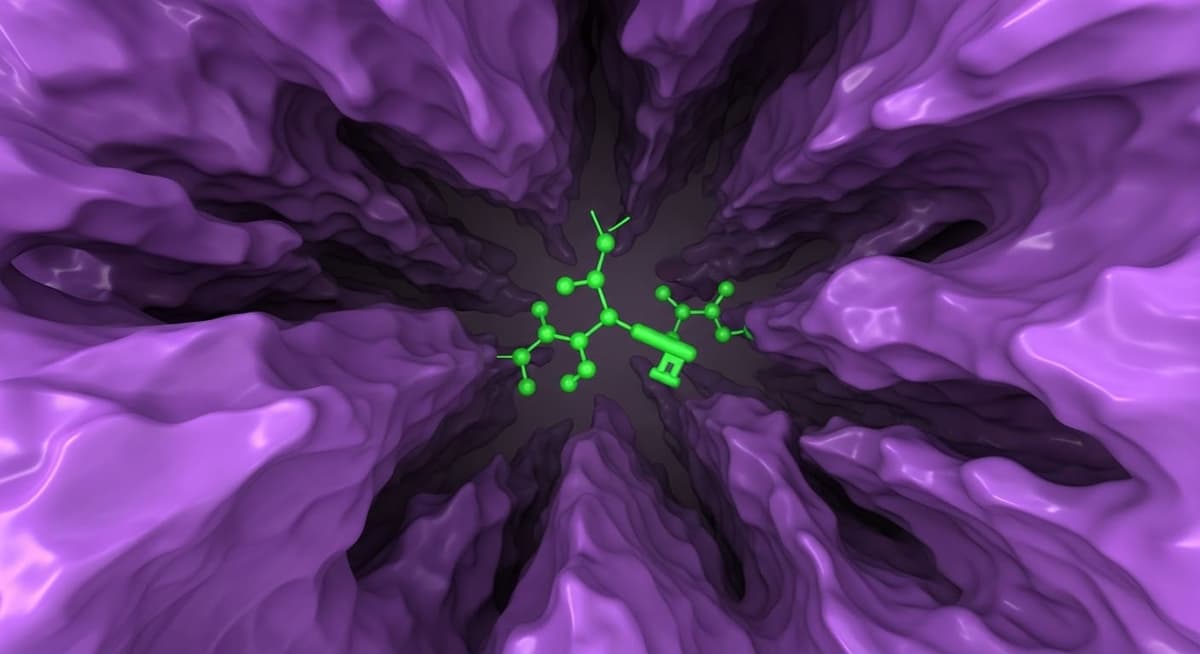
Equal1’s Silicon Processors Power Kvantify’s Quantum Simulation Workloads
Equal1 and Kvantify have formed a partnership to bring silicon‑based quantum processors to life‑science workloads. Equal1’s Bell‑1 server, built on standard silicon, is being shipped as the company’s first‑generation quantum machine, and Kvantify has been named its preferred partner for...
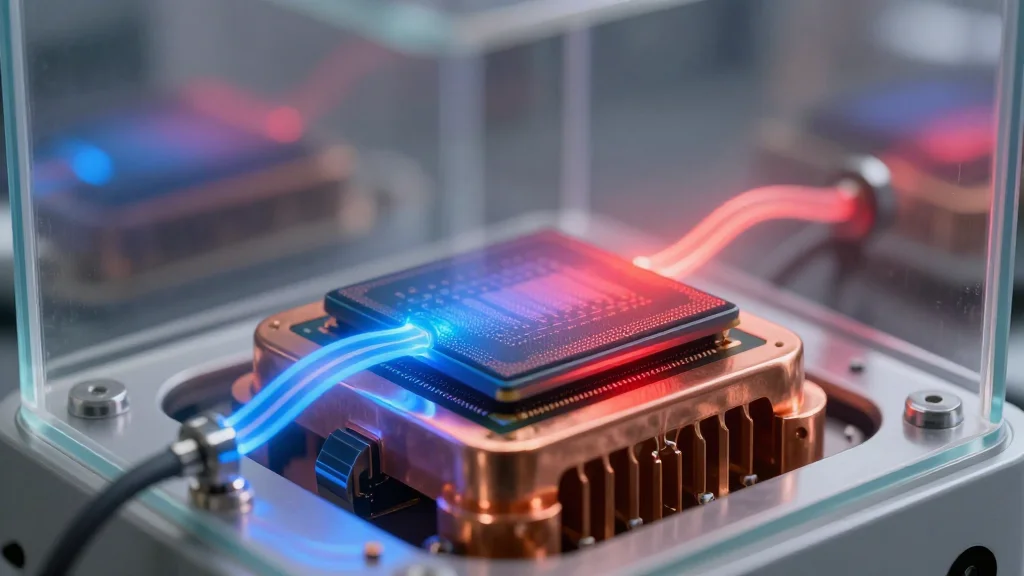
Researchers Spot Anomalous Heat Flow in Gate‑Based Quantum Processors
Scientists from Bar‑Ilan University and BITS Pilani demonstrated that heat can flow against the temperature gradient inside gate‑based quantum processors. The discovery, made with mid‑circuit measurement techniques, questions long‑standing assumptions of quantum hardware thermodynamics.
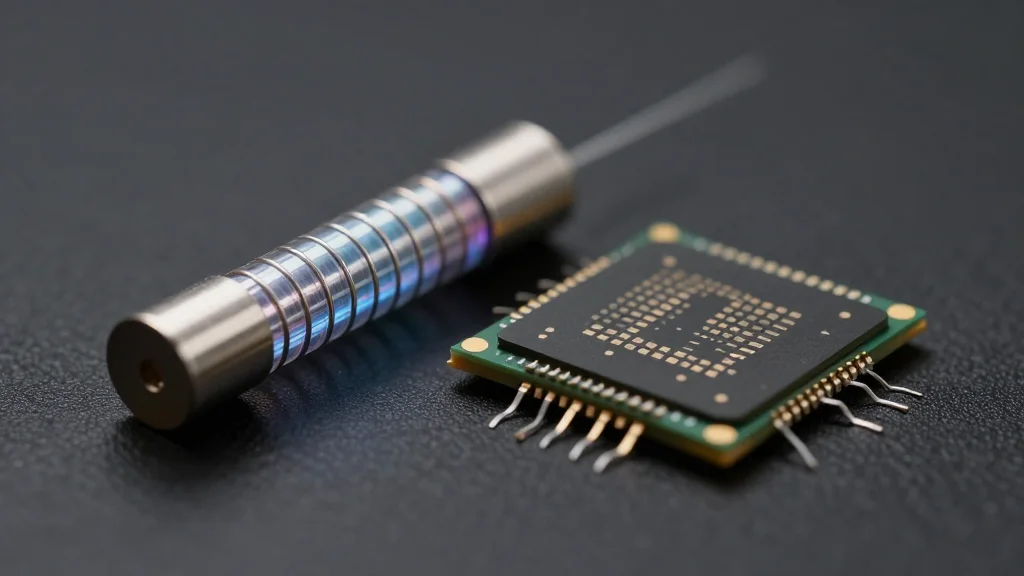
Beyond Qubits: A Systems View of Hybrid CV-DV Quantum Computing
At ASPLOS 2026 a tutorial introduced hybrid continuous‑discrete‑variable (CV‑DV) quantum computing, which treats qubits and oscillator modes as a unified computational resource. The session covered the physical foundations, new instruction set architectures, and the compilation stack that translates high‑level algorithms...

Quantum Chemistry's Classical Limits with Garnet Chan
In this episode, host Sebastian Hassinger talks with Garnet Chan, a leading computational chemist at Caltech, about the true boundary between classical and quantum capabilities in chemistry. Chan explains the significance of the nitrogenase enzyme’s FeMo cofactor, a benchmark often...
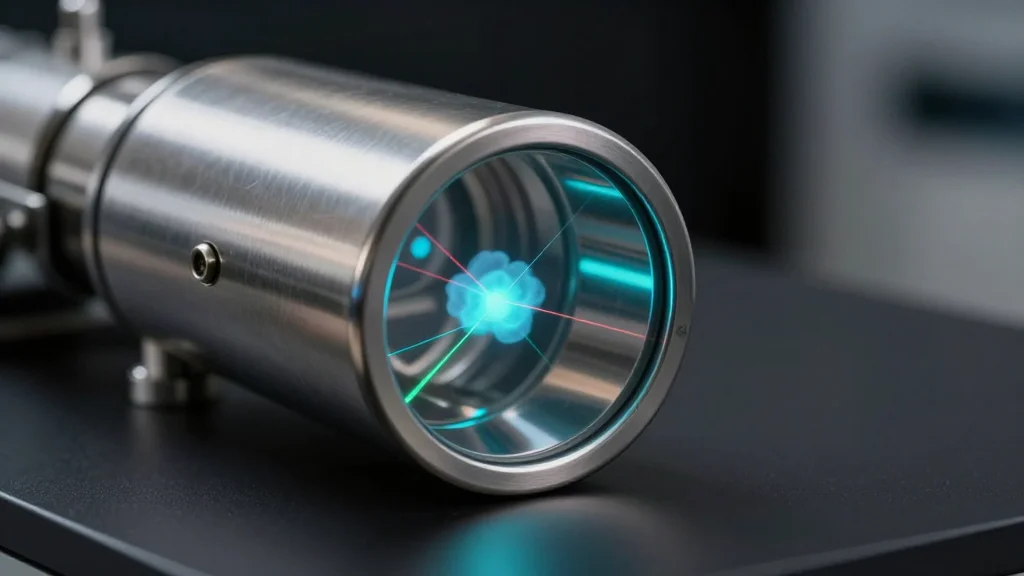
A Long-Sought Quantum Computing Milestone Arrives as Fermionic Atom Gates Top 99% Accuracy
Two independent teams at the Max Planck Institute and ETH Zurich have demonstrated collisional quantum gates using fermionic lithium‑6 atoms, achieving two‑qubit gate fidelities above 99 %. Bojović’s group reported a peak accuracy of 99.75 %, while Kiefer’s team reached a loss‑corrected...

Quantum Computing and Storage
OVHcloud has added Quantum Computing‑as‑a‑Service (QaaS) by offering Quandela’s 12‑qubit Belanos photonic quantum computer on a pay‑as‑you‑go basis. The quantum processor works alongside OVH’s traditional object storage, with data encoded into photonic states before each run and results post‑processed on...

Dorit Dor, Co-Founder of Qbeat Ventures
In this episode, Dorit Dor, former Check Point C‑level executive and co‑founder of Qubit Ventures, discusses how quantum startups can apply lessons from cybersecurity—particularly the importance of a clear go‑to‑market strategy, focus on specific problems, and adherence to standards. She...
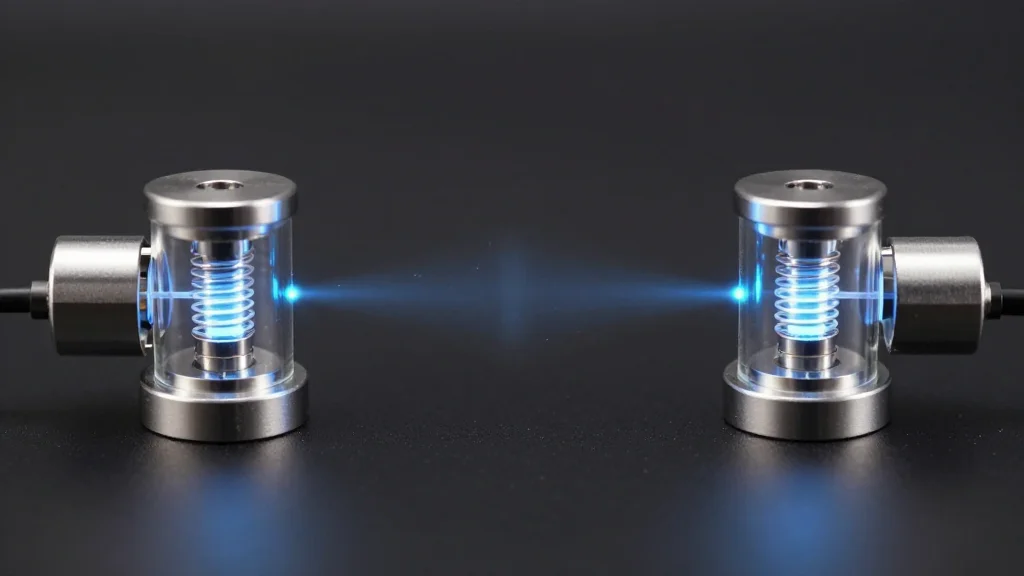
Oxford Researchers Teleport Quantum Gate Between Two Supercomputers with 96.9% Fidelity
Oxford University physicists have demonstrated quantum gate teleportation between two separate ion‑trap quantum processors, achieving 96.89% fidelity across a two‑meter gap. The experiment uses photonic links to entangle the modules, showing a viable path to scalable, distributed quantum computers.

MemQ Wins DARPA Contract to Cut Resource Demands 1,000x
memQ has been awarded a DARPA contract under the Heterogeneous Architectures for Quantum (HARQ) program to build a hardware‑aware quantum compiler. The project aims to slash quantum resource requirements by a factor of 1,000, addressing the inefficiencies of single‑qubit‑type systems....

Physicist Warns Quantum Breakthrough Could Threaten Bitcoin by 2029
Chris Tam, director of BTQ Technologies, warned that recent quantum computing progress could make Bitcoin's cryptography vulnerable by 2029, far earlier than earlier estimates. The warning has reignited a split in the crypto world between those urging immediate upgrades and...

Washington Invests $500K in IonQ’s Quantum Computing Expansion
Washington Governor Bob Ferguson is allocating $500,000 from the state’s Economic Development Strategic Reserve Fund to quantum‑computing firm IonQ, leveraging more than $14 million in private capital. The funding supports expansion of IonQ’s Bothell facility, the nation’s first dedicated quantum‑manufacturing hub,...
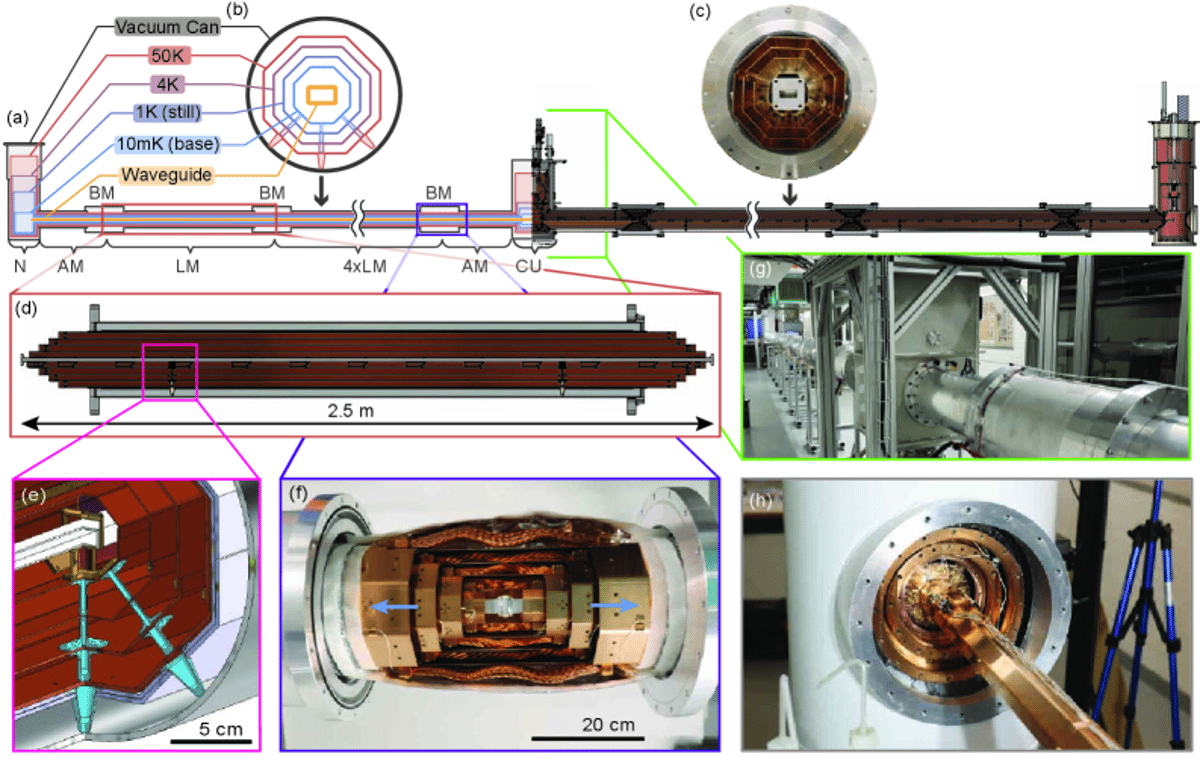
30‑m Cryogenic Microwave Link Enables Loophole‑Free Bell Test
Are you curious about the insights we gained when building our 30-m-long cryogenic microwave-frequency quantum link which we used to do a loophole free Bell test with superconducting qubits? This system also serves as a role model for how to...
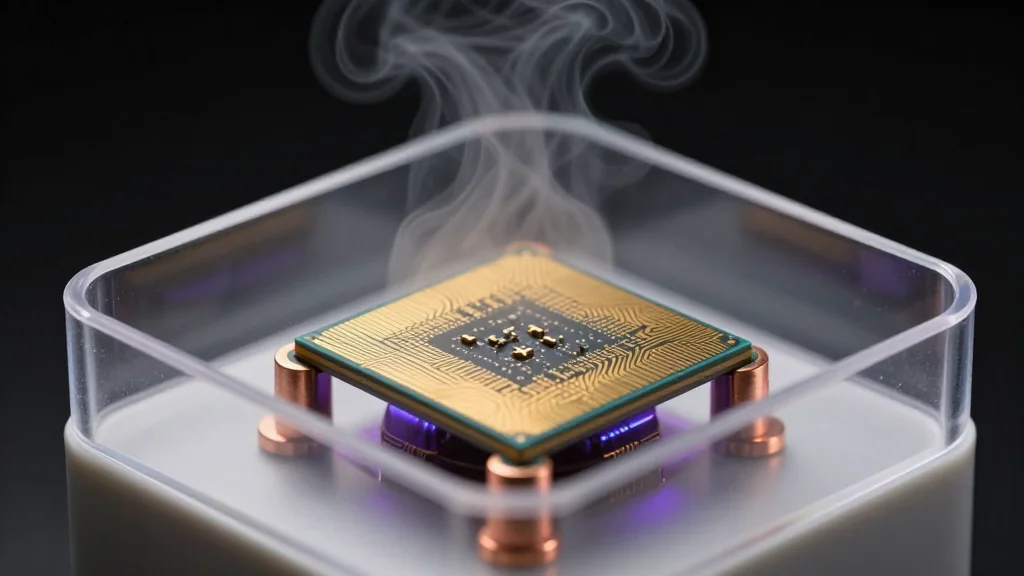
Quantum Computers Reveal Heat that Flows the Wrong Way
Researchers have applied machine‑learning algorithms to diagnose and classify noise sources in superconducting quantum processors, revealing anomalous heat flow that can reverse direction under certain operating conditions. The AI‑driven analysis pinpoints microscopic defects and thermal gradients within the chip, enabling...
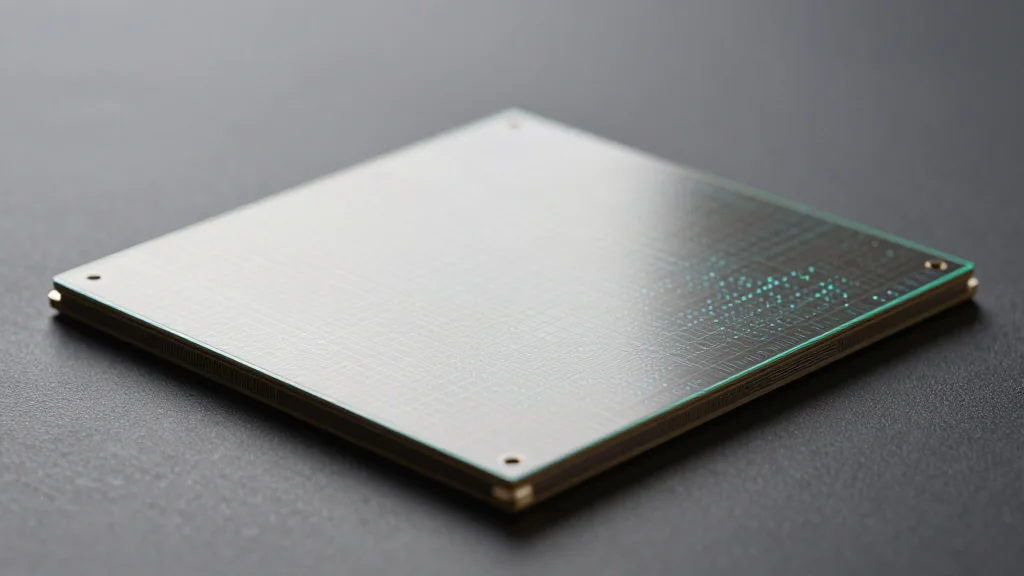
Imec Leads €50 Million SPINS Pilot Line to Scale Semiconductor Quantum Chips
Imec and a 25‑partner European consortium have launched the SPINS pilot line, a €50 million ($55 million) effort co‑funded by the EU Chips Joint Undertaking to industrialize semiconductor spin‑qubit processors. The initiative creates a lab‑to‑fab pathway using 300 mm CMOS lines, targeting fault‑tolerant...
IBM Announces 511,000‑sq‑ft Quantum Computing Facility in New York
IBM revealed a 511,000‑square‑foot quantum computing facility at its Poughkeepsie campus, slated to manufacture its next‑generation Starling systems and employ roughly 200 staff. Officials hailed the project as a historic investment, even as community leaders question its electricity demand.

Glenn Beck Warns Quantum Computing Will Impact Wallets and Secrets on World Quantum Day
On April 14, the day designated World Quantum Day, conservative commentator Glenn Beck warned that quantum computers are moving from academic labs to a commercial threat that could affect everyday finances and personal data. Beck’s remarks, broadcast on his BlazeTV...
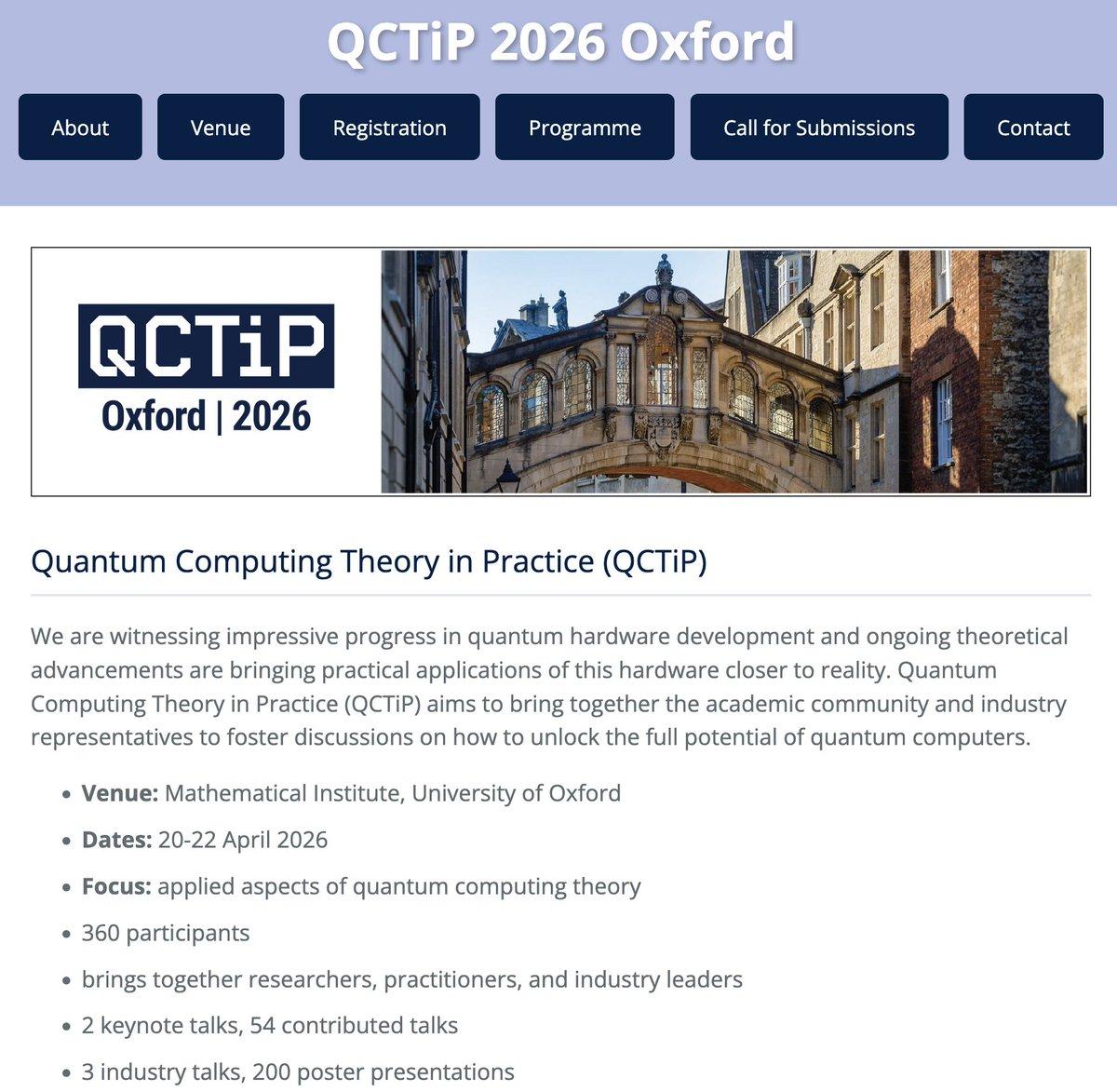
QCTiP2026 Launches in Oxford with Five Quantum Talks
#QCTiP2026 is about to begin in Oxford. Given the rapid progress in the field, this conference on quantum computing theory in practice could hardly be more timely: https://t.co/FCb3yhGhgD was a real pleasure to host #QCTiP2025 in Berlin last year, and...
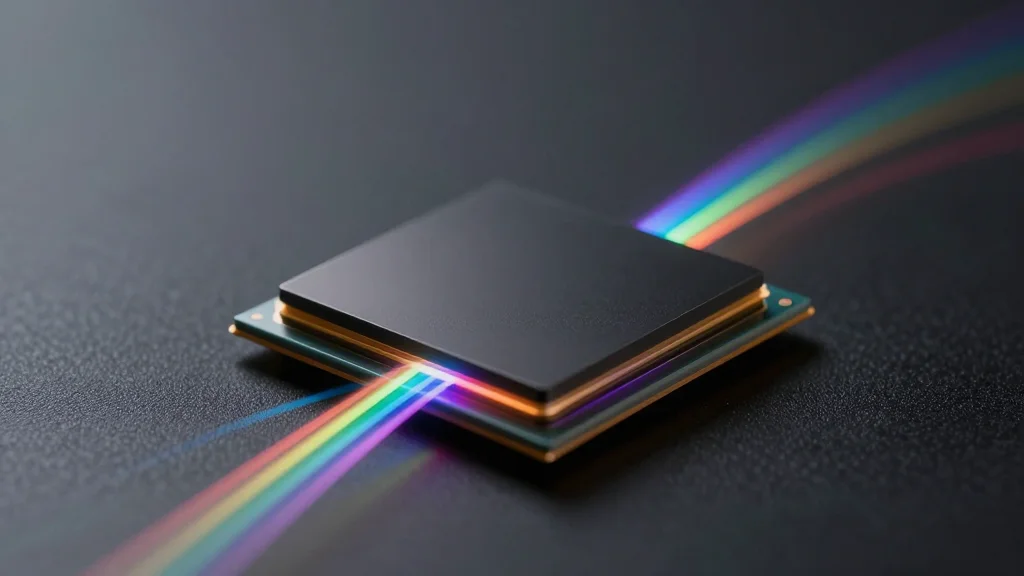
NIST Demonstrates Any‑Wavelength Laser Chip, Boosting Quantum Computing Hardware
Researchers at the U.S. National Institute of Standards and Technology have built a photonic chip that can produce laser light across the entire visible and infrared spectrum. The multilayered device, described in Nature, promises to shrink and cheapen the bulky...
UK Startups Join DTC Quantum Incubator to Advance Practical Quantum Applications
Four UK startups have joined the DeepTech Catalyst Quantum incubator, receiving up to $125,000 each in targeted R&D funding and access to Harwell's high‑performance facilities. The cohort—Curenetics, Coherence Engine, AmorphiQ and Qascade—focuses on quantum‑enhanced AI for cancer vaccines, hardware simulation...
Congress Unveils MATCH Act to Tighten Export Controls on Chipmaking Gear
U.S. Representative Michael Baumgartner introduced the bipartisan MATCH Act to tighten export controls on semiconductor manufacturing equipment. The bill, co‑sponsored by a dozen House members and backed by Senators Pete Ricketts and Andy Kim, seeks to align U.S. and allied...
Could These 3 New-to-Market Quantum Computing Firms Threaten D-Wave?
Newly listed quantum computing firms are gaining attention as potential challengers to D‑Wave. Horizon Quantum Holdings announced partnerships with IonQ and Alpine Quantum, while Infleqtion is scaling neutral‑atom qubits toward a 100‑qubit goal by 2028. Canadian photonics player Xanadu also...
Google Quantum AI Is Now Accepting Proposals for Early Access to Their Willow Quantum Processor
Google Quantum AI announced an early‑access program for its Willow quantum processor, inviting external researchers to submit proposals. The initiative targets projects that can demonstrate high‑impact scientific breakthroughs or novel quantum results. Proposals must be submitted by May 15, 2026, with successful...
Qjump: Shallow-Circuit Quantum Sampling Guides Combinatorial Optimization On up to 104 Superconducting Qubits, Qjump Assists in Searching the Ground States...
Researchers at Zhejiang University introduced Qjump, a hybrid quantum‑classical algorithm that uses shallow quantum circuits to sample low‑energy states of Ising models. Demonstrated on a 104‑qubit superconducting processor, Qjump outperformed fixed‑parameter QAOA and a highly tuned simulated annealing baseline. The...
Chemically Accurate Molecular Simulations Demonstrated on IQM Sirius Hardware
Researchers from India, Singapore and the USA used IQM's 24‑qubit Sirius superconducting processor to achieve chemically accurate molecular simulations via Sample‑based Quantum Diagonalization (SQD). The study compared two ansätze—Local Unitary Cluster Jastrow (LUCJ) and Linear‑CNOT Unitary Coupled‑Cluster (LCNot‑UCCSD)—showing LUCJ’s shallow...

Brazilian Study Shows Longer Quantum Chains Simplify Majorana Detection
Physicists at the University of São Paulo demonstrated that Majorana bound states become dramatically more robust as artificial Kitaev chains grow from two to 50 quantum dots, a breakthrough that could speed the development of fault‑tolerant quantum computers.
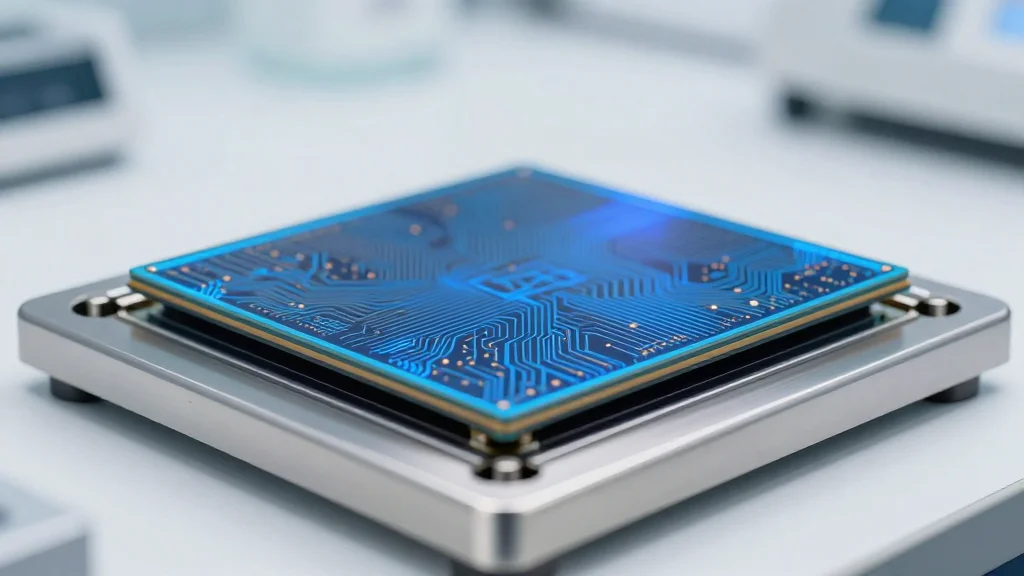
European Consortium Launches €50 Million SPINS Pilot Line to Industrialize Semiconductor Quantum Chips
The European Union’s Chips Act has funded a €50 million (≈$55 million) SPINS pilot line to industrialise semiconductor‑based spin‑qubit chips. Led by imec and backed by 25 partners—including Infineon, STMicroelectronics and Fraunhofer IPMS—the initiative creates a 300 mm CMOS pathway for Si/SiGe, Ge/GeSi and...

SDT and IonQ Expand Strategic Cooperation via Resource Utilization Agreement
South Korean quantum‑tech firm SDT Inc. has signed a resource utilization agreement with U.S. quantum‑computing leader IonQ, embedding IonQ’s trapped‑ion hardware into SDT’s hybrid cloud platform QuREKA. The deal transforms QuREKA from a connectivity gateway into an execution‑focused environment where...
Jim Cramer Says “The Only Viable Quantum Businesses Belong to Google, IBM, and Honeywell (HON)”
Jim Cramer highlighted that while many public companies tout quantum ambitions, only Google, IBM and Honeywell currently have viable quantum businesses. He pointed out Honeywell’s quantum unit, Quantinuum, will spin off later this year, with Honeywell retaining a 54% stake....
Quantum AI Unveils quantumaieu.com to Boost European Market Presence
Quantum AI announced the launch of quantumaieu.com, replacing its former quantumai.co.com address to create a clearer European identity. The move is positioned as a step toward broader market penetration and partnership growth in Europe’s fast‑growing AI sector.
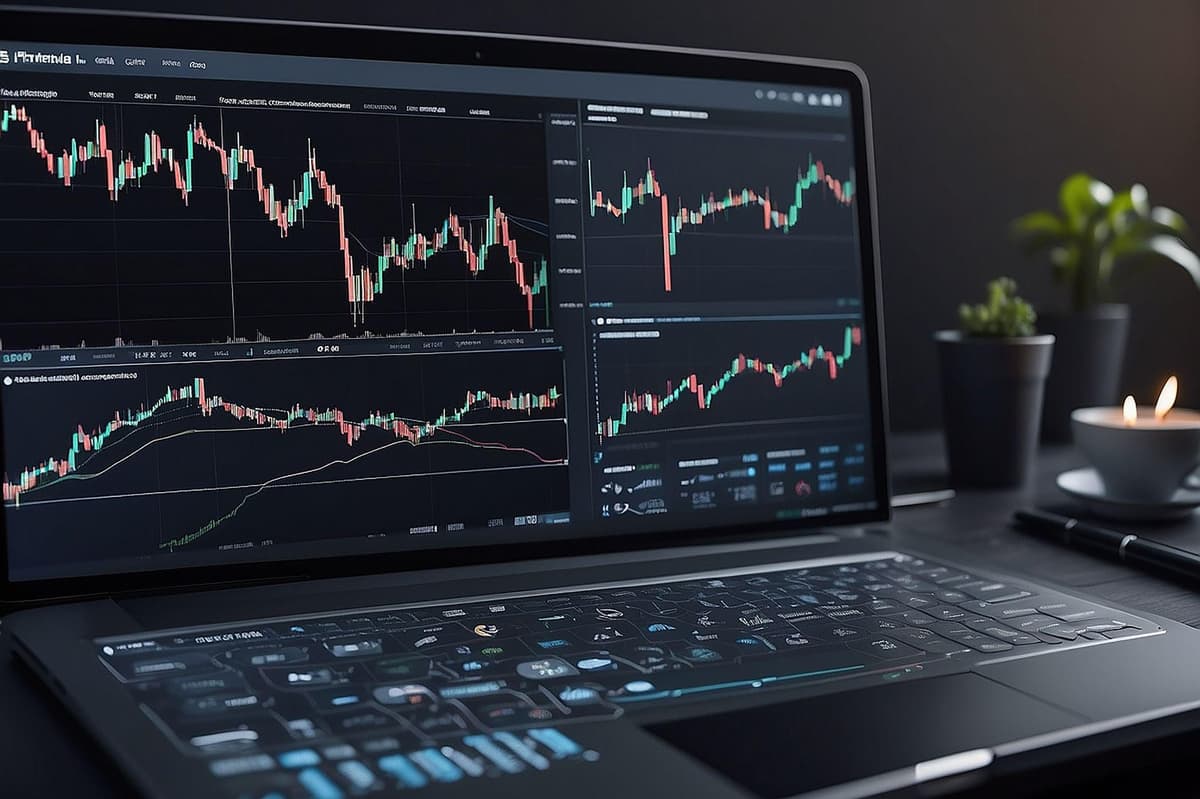
BitsStrategy Unveils a Quantum AI Trading App Designed for Faster, Data-Driven Trading Decisions
BitsStrategy announced a quantum AI trading app that leverages artificial intelligence to parse real‑time market data and generate faster, data‑driven trade signals. The app emphasizes a streamlined, app‑first experience, offering new registrants a $10 real‑earnings credit to encourage trial. By...
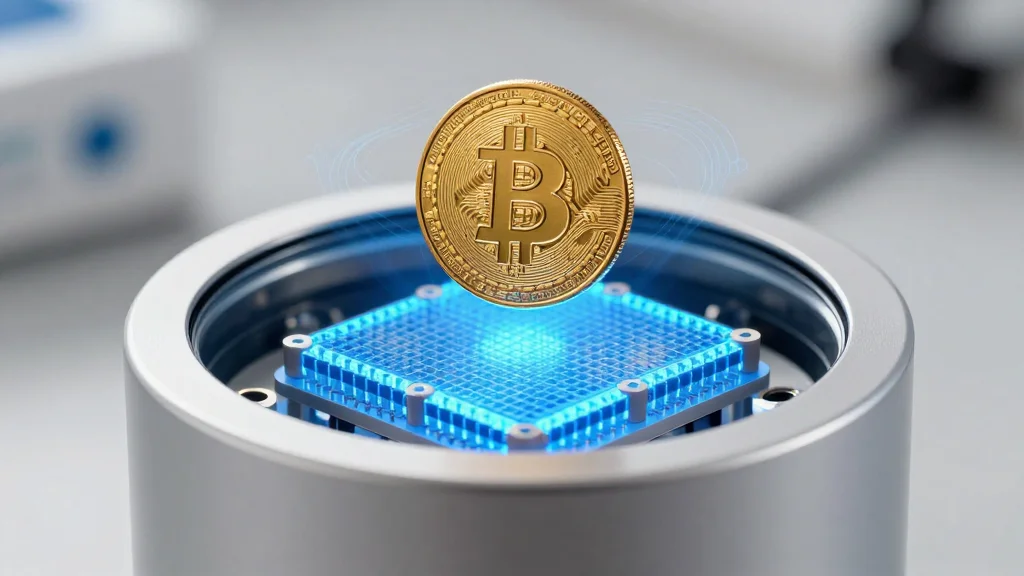
Google Researchers Show Quantum Computer Can Crack Bitcoin in 9 Minutes
Researchers at Google have demonstrated that a quantum computer could recover a Bitcoin private key in roughly nine minutes using Shor's algorithm. The finding compresses a timeline that was once thought to be decades away into a single‑digit minute window,...