Today's Quantum Pulse
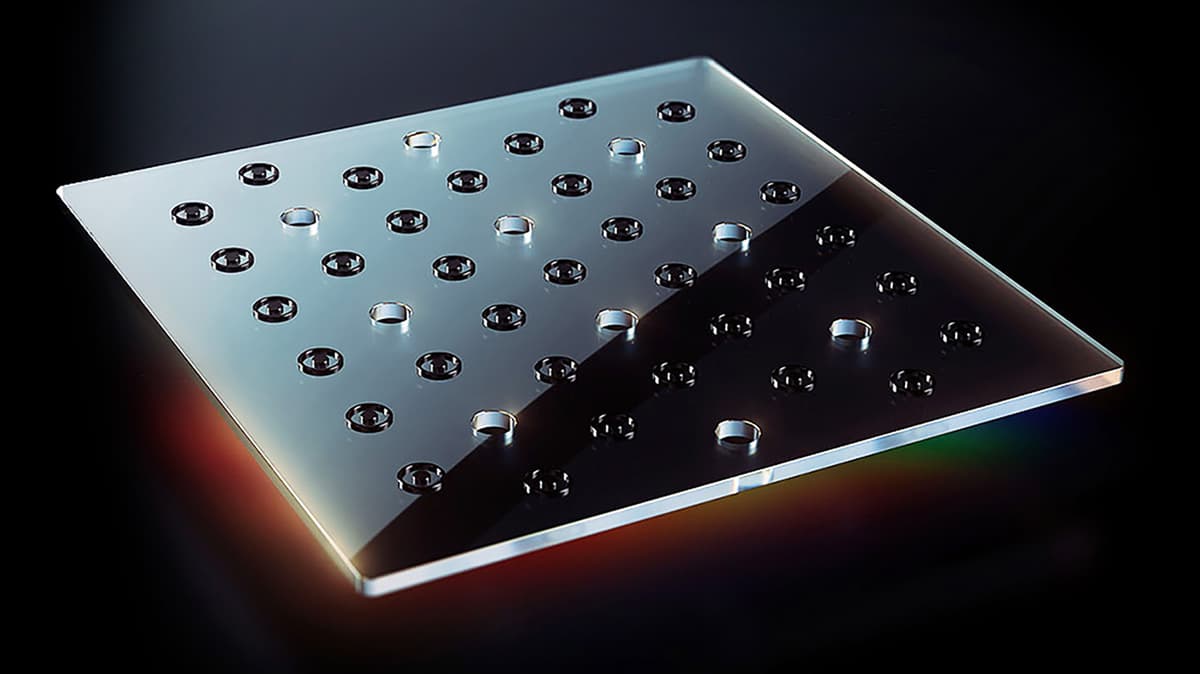
JPMorgan, OQC and AMD launch a hybrid quantum‑AI data centre in London
Oxford Quantum Computing, JPMorgan Chase and AMD announced a joint research effort to build a colocated quantum‑AI data centre in London. The facility will combine OQC’s Genesis quantum processor with AMD’s AI and high‑performance computing hardware to create a hybrid platform for finance‑focused workloads such as portfolio optimisation and quantum machine learning.

Quantum Computing Weekly Round-Up: Week Ending May 2, 2026
The latest weekly roundup shows accelerating momentum in quantum computing across hardware, finance, and enterprise sectors. Venture capital poured fresh capital into both trapped‑ion and spin‑qubit platforms, while the Defiance QTUM exchange‑traded fund topped $4 billion in assets. Japan announced its first corporate purchase of a quantum computer, marking a milestone for Asian adoption. Meanwhile, a record‑breaking elliptic‑curve attack underscored the looming “Q‑day” threat to cryptographic systems.
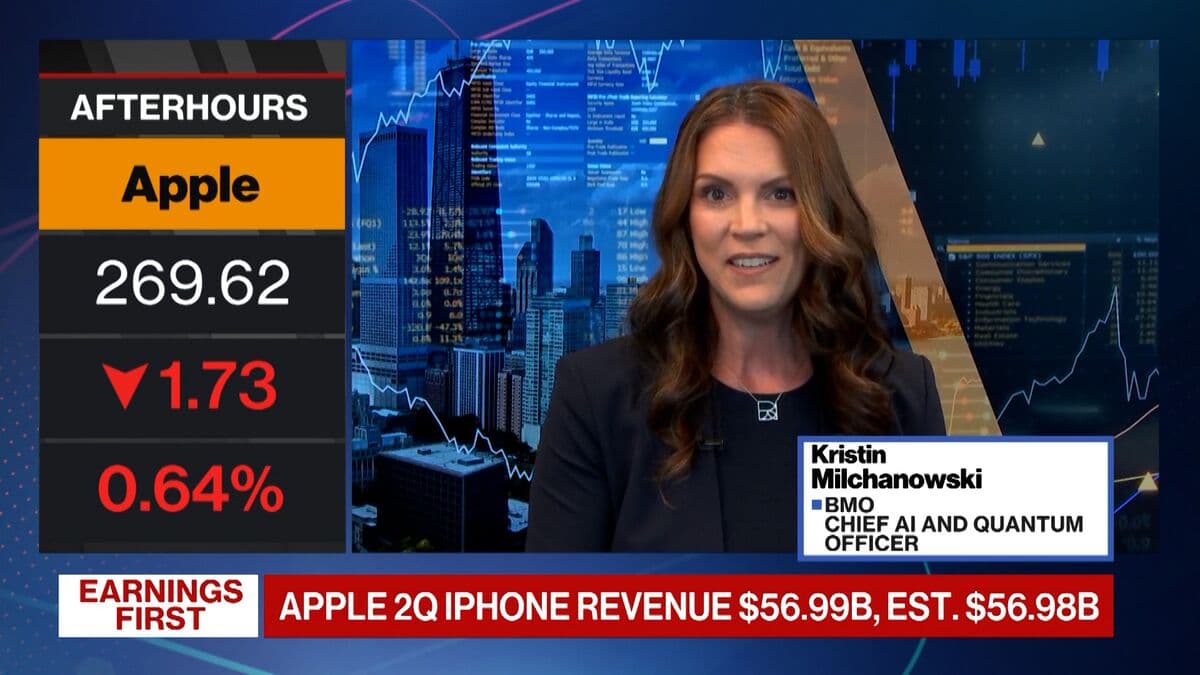
BMO's Milchanowski on Quantum's Banking Sector Impact
BMO’s Chief AI and Quantum Officer Kristin Milchanowski told The Close that quantum computing will start reshaping banking within the next few years, with IBM targeting a fault‑tolerant machine by 2029. She highlighted three priority areas—optimization, risk forecasting and cryptography—where...
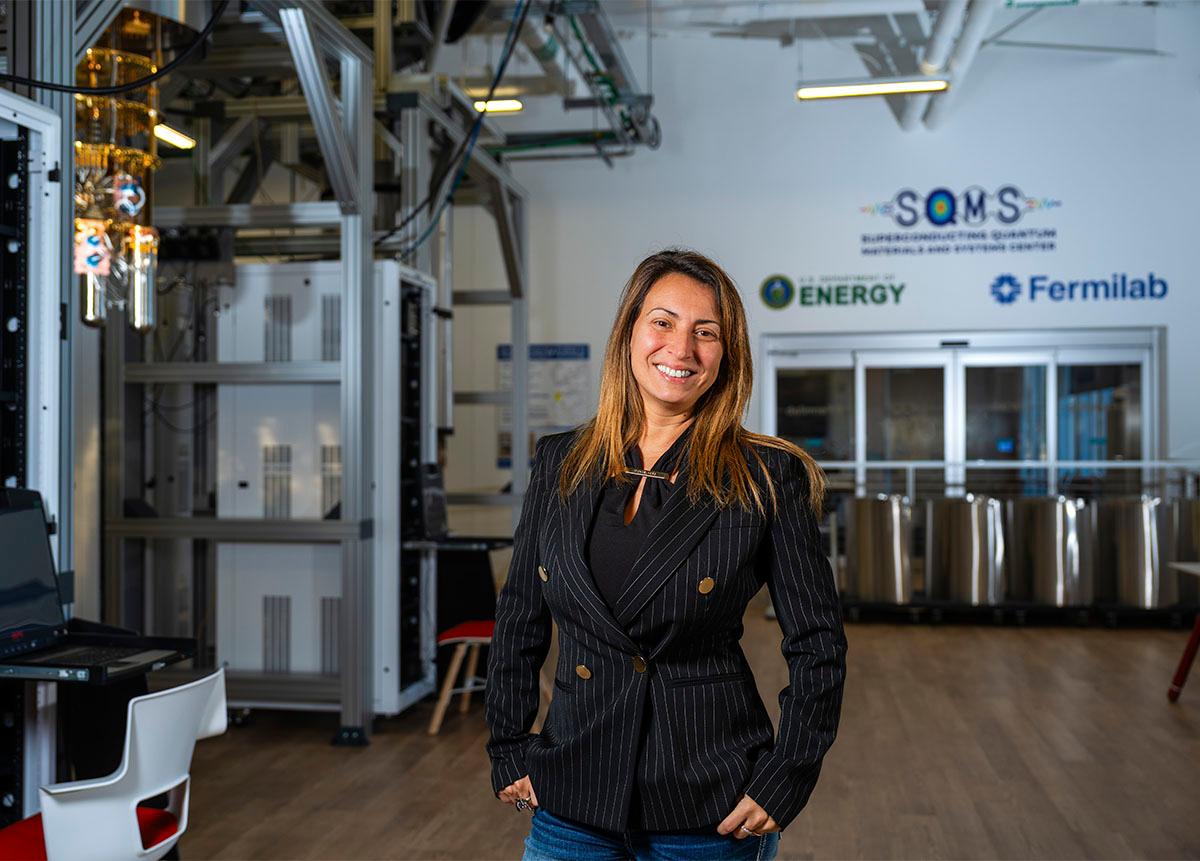
Anna Grassellino Appointed to DOE Office of Science Advisory Committee
Anna Grassellino, Fermilab’s chief technology officer and associate laboratory director, has been appointed to the U.S. Department of Energy’s Office of Science Advisory Committee (SCAC). She will also chair SCAC’s quantum subcommittee, guiding national efforts toward DOE’s 2028 target for...
McKinsey Study Says 2026 Marks Quantum Computing’s Commercial Turning Point, Europe Leads Adoption
McKinsey & Company's new Quantum Technology Monitor 2026 finds that 2026 will be the year quantum computing shifts from a research promise to a strategic business priority. Global investment in quantum start‑ups hit $12.6 billion in 2025 and revenues topped $1 billion,...
Learn Quantum Impact by Hacking with Quantum Village at Defcon
In my opinion, the greatest way to learn the realities of the impact of things quantum to our world is to engage with quantum hackers. Thanks to the @quantum_village there are opportunities to do that throughout the year (but...

Quantum Threats Smaller than Expected, Boosting Crypto Urgency
The team at Google Quantum AI published a whitepaper showing that the size of a quantum computer that would pose a cryptographic threat is approximately twenty times smaller than previously thought. Those computers don't exist yet, but the need for...

Proactive Planning Can Mitigate Quantum Migration Failures
Healthcare IT leaders face an imminent shift to quantum computing that could overwhelm existing infrastructure and compromise patient data security. Mike Nelson, field CTO of digital trust at DigiCert, urges a coordinated migration timeline to avoid care disruptions as organizations...

How Healthcare Can Prepare for Quantum Computing
Health systems are being urged to modernize legacy IT and develop migration roadmaps after NIST officially approved a suite of post‑quantum cryptographic algorithms. Mike Nelson, DigiCert’s field CTO, warns that existing encryption in electronic medical records and patient portals is...

Finland’s Algorithmiq Takes Top Spot in $50M Q4Bio Challenge with Quantum Drug Simulation Milestone
Finland’s Algorithmiq won the $2 million prize in Wellcome Leap’s $50 million Q4Bio challenge, becoming the first to demonstrate an end‑to‑end quantum‑classical workflow for drug simulation on real hardware. Using up to 100 qubits on IBM’s quantum computer, the team modeled the...
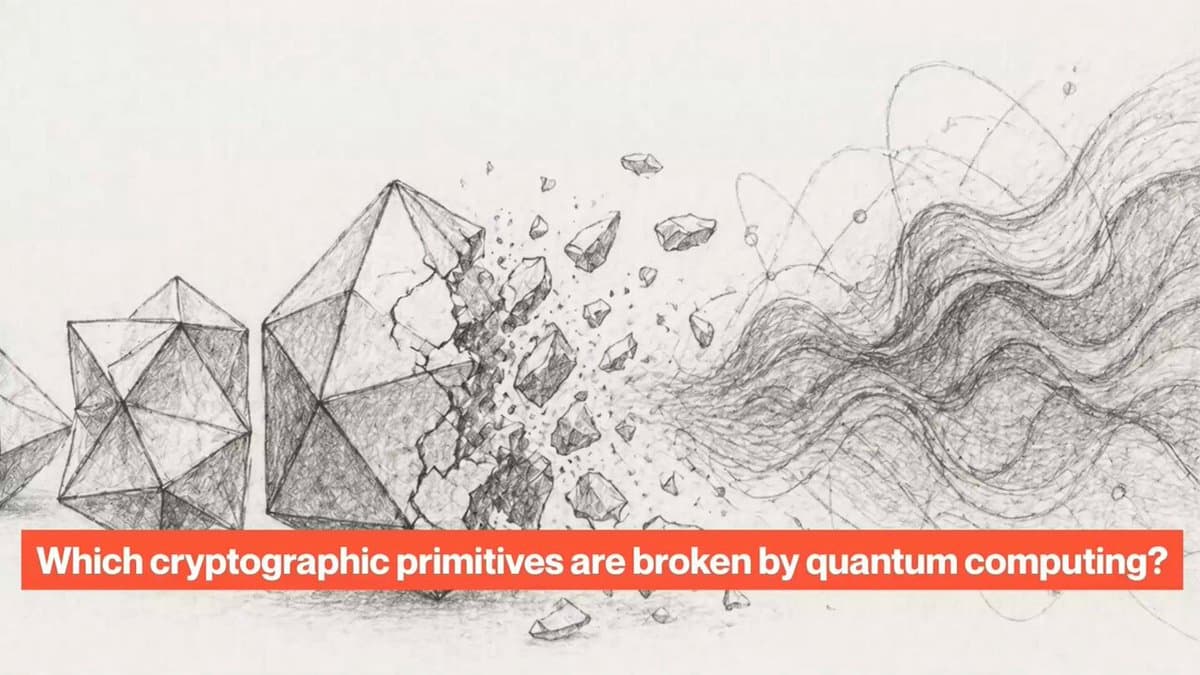
Quantum Computers Threaten RSA, Break ECC, but Not Lattice‑based Cryptography
Which types of cryptography will be broken by quantum computers and which will not? Here is my explanation. https://t.co/pdsPJTQsEb
Zapata Secures $15 Million Oversubscribed Funding Round to Accelerate Quantum Software Platform
Zapata, a hardware‑agnostic quantum software firm, completed an oversubscribed $15 million strategic financing led by Triatomic Capital with co‑lead Odeon Capital Group. The capital will fund platform expansion, AI‑driven development, and deeper collaborations across pharma, finance, and defense as the company...

Taiwan Launches National Quantum Initiative, Unites 18 Companies
Taiwan's Ministry of Science unveiled a national quantum initiative that brings 18 domestic firms under a coordinated program. The move aims to leverage the island's semiconductor expertise to secure a foothold in the emerging quantum computing market.

Yale‑Google‑UCSB Team Demonstrates Superconducting Circuit That Tracks Moving Protons
Researchers from Yale, Google Quantum AI and UC‑Santa Barbara have built a superconducting quantum circuit that can follow individual protons in real time, reproducing quantum tunneling effects seen in chemistry and biology. The breakthrough, detailed in PRX Quantum, promises cleaner,...

QuEra Demonstrates 2-to-1 Qubit Ratio in Quantum Error-Correction Simulation
QuEra Computing announced that its latest simulation achieved a 2-to-1 physical‑to‑logical qubit ratio for quantum error correction, dramatically lowering the overhead traditionally required for fault‑tolerant operation. The claim, if validated on hardware, could accelerate the path to practical quantum advantage.

Free Summer Program Merges Quantum, AI, Classical Optimization
Great opportunity for students and professionals ⬇️ ⚛️ The Washington Institute for STEM, Entrepreneurship and Research (WISER) Quantum + AI Optimization Program 2026 is a free educational summer program that puts classical algorithms, quantum, and AI side by side on the...

Quantum Computing's Next Dark Horse Emerges From a Frozen Surface, Where Almost Nothing Behaves as Expected
Researchers at DOE’s Argonne National Laboratory have refined an electron‑on‑neon qubit that traps single electrons above a solid neon surface. The new study, published in Nature Electronics, shows the platform’s noise is 10‑10,000× lower than typical semiconductor qubits and its...
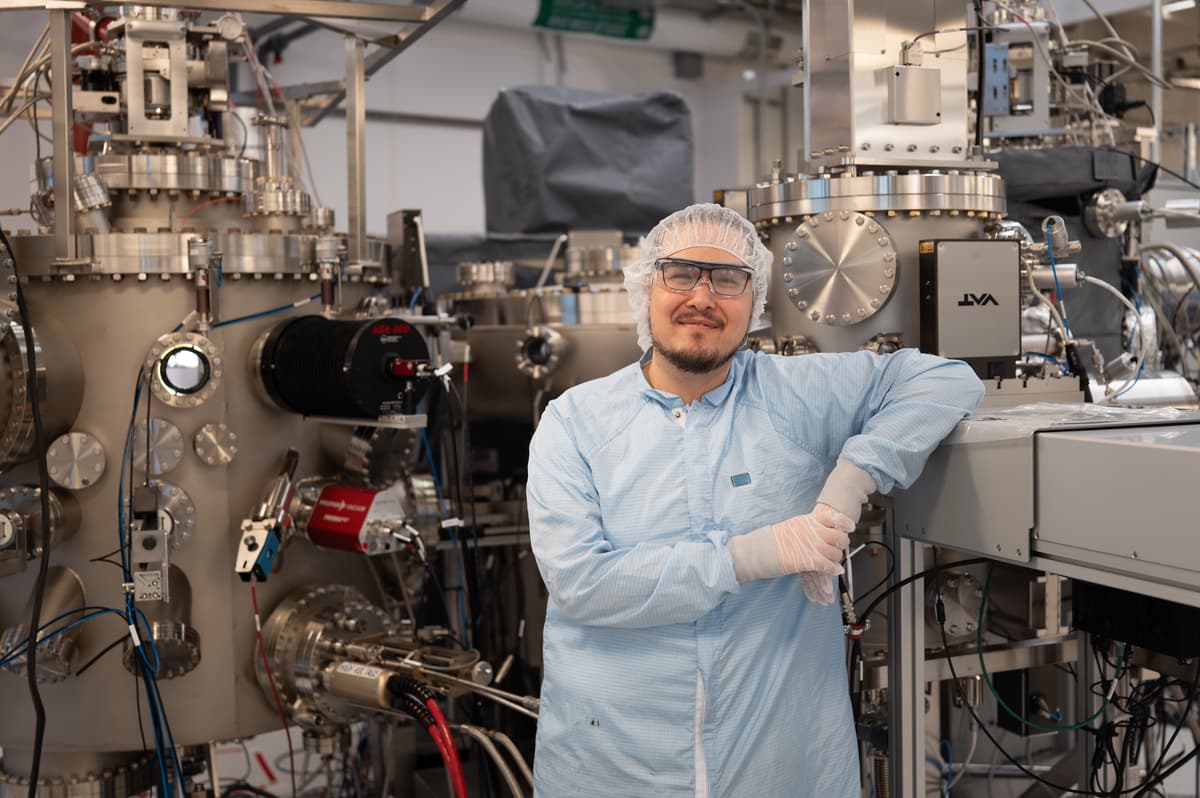
A Materials Scientist’s Playground
MIT.nano has installed a custom 200‑mm wafer molecular beam epitaxy (MBE) system, the largest single‑deposition chamber sold in the United States. The six‑chamber tool enables in‑vacuum growth, oxidation, storage and X‑ray photoelectron spectroscopy (XPS) for real‑time analysis of superconducting and...
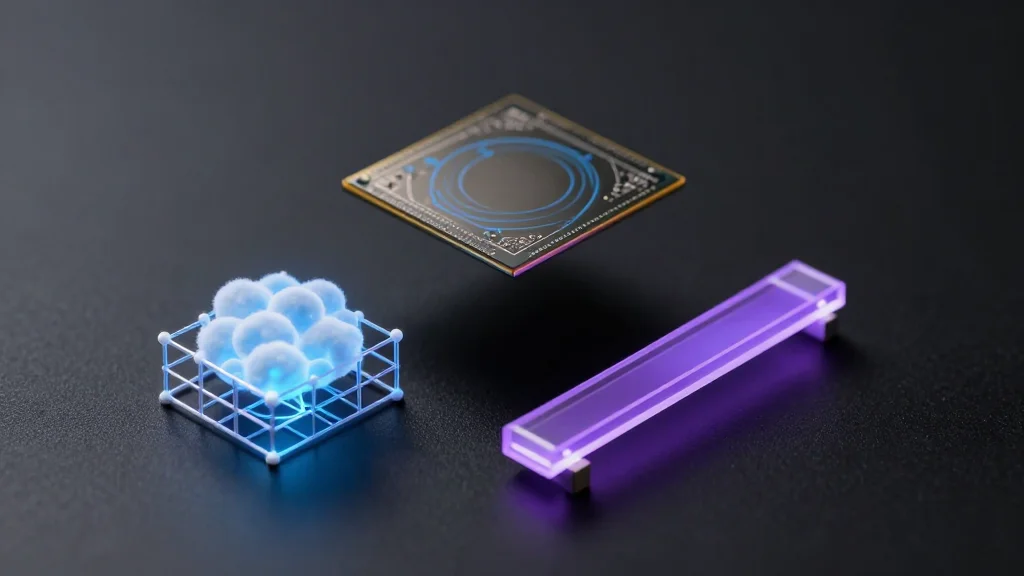
Intel Expands Into Three Quantum Computing Modalities
This is significant news. Intel now has their toes in three types of quantum computing modalities, to varying degrees: - Silicon spin - Neutral atoms - Photonics

Register Now for UCLA Quantum Device Design Workshop
Friendly reminder to register (if you have not already) for the upcoming Quantum Device Design Workshop at UCLA June 15–18.

The Qubit Report: April 30, 2026
The latest Qubit Report highlights a week of quantum milestones, including the Senate’s reauthorization of the National Quantum Initiative, which secures continued federal support for U.S. quantum research. IBM and IonQ announced joint construction of large‑scale quantum facilities, while a...

Public Hype on Quantum Computing Eases Cryptography Concerns
The fact that major public companies are hyping quantum computer progress actually makes QC progress less scary for cryptography.
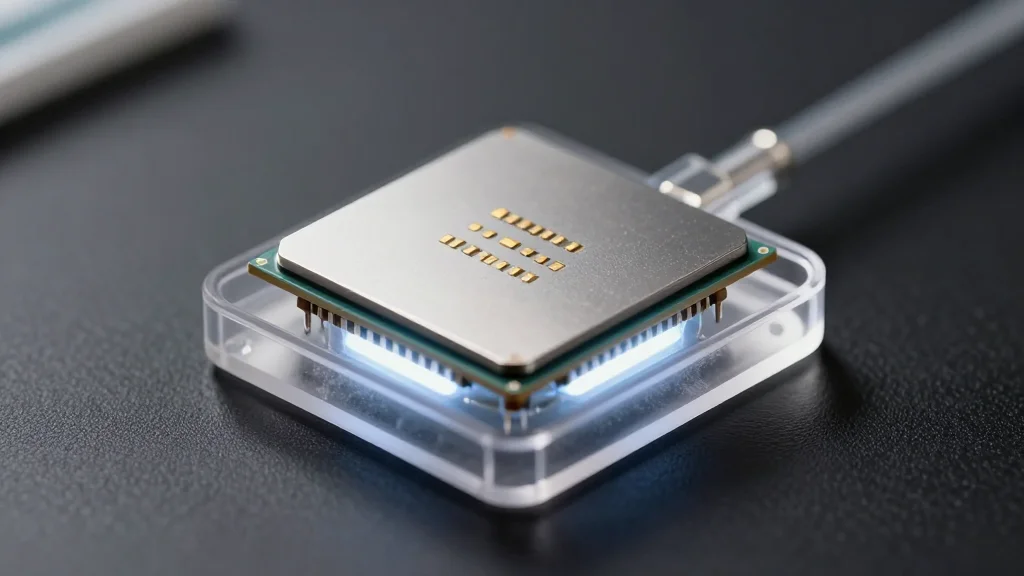
Analysts Favor Rigetti Over Quantum Computing Inc. As the Best Quantum Dip Buy
Analysts say Rigetti Computing (RGTI) and Quantum Computing Inc. (QUBT) are the leading candidates for buying the dip after both fell more than 60% since October. Rigetti’s $5.5 billion valuation, integrated hardware‑software platform and ten‑fold higher revenue make it the stronger...
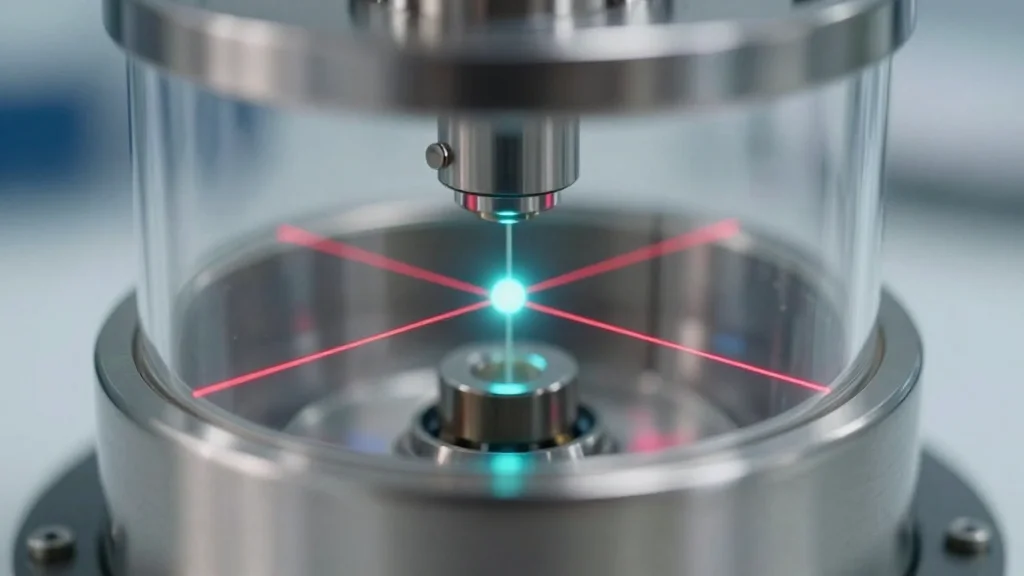
Reliable Quantum Computation of Molecular Energies
Researchers at Quantinuum demonstrated a quantum computation of hydrogen's ground‑state energy using just 23 trapped‑ion qubits. By integrating continuous, real‑time error correction with partially fault‑tolerant gate implementations, the team achieved results that closely align with classical benchmarks, albeit at lower...

Qubit Pharmaceuticals Aims for Quadratic Speedup in Simulations
Qubit Pharmaceuticals and Singapore’s Centre for Quantum Technologies have deployed the first quantum Markov Chain Monte Carlo (qMCMC) algorithm on gate‑based quantum hardware. The two‑year partnership blends Qubit’s quantum chemistry know‑how with CQT’s expertise in circuit design, using Quantinuum’s H2...
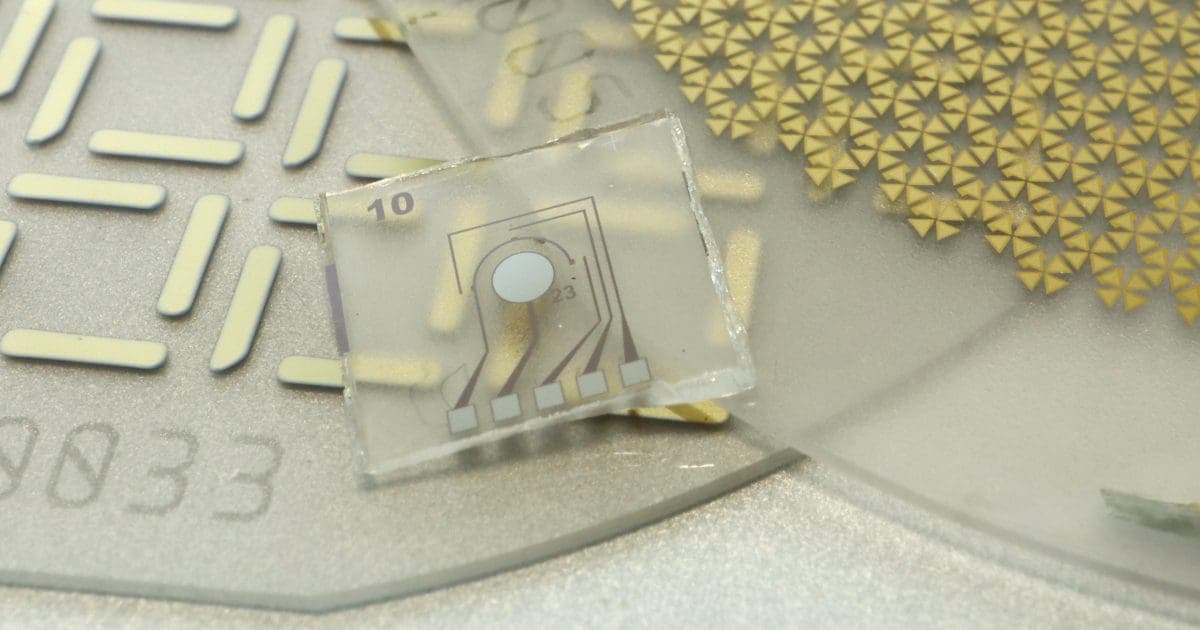
Paragraf & Archer Materials Target Quantum Computing With Graphene
Paragraf, a UK graphene‑electronics specialist, has teamed with Australia’s Archer Materials to create graphene‑based structures for qubit detection. The partnership combines Paragraf’s wafer‑scale graphene deposition process with Archer’s quantum‑device expertise, aiming to move quickly from research to functional prototypes. By...

PQShield: 4 Quantum Threats Enterprises Must Address Now
The NSA has flagged “harvest now, decrypt later” attacks as a real, ongoing threat, noting that adversaries are already collecting encrypted data for future quantum decryption. While practical quantum computers are still 10‑15 years away, the vulnerability of today’s RSA...

Orca Computing Targets Data Center Integration With Quantum Units
Orca Computing is redesigning quantum processing units to fit standard data‑center racks, using photonic technology that leverages existing telecom infrastructure. The PT Series architecture delivers rack‑mounted QPUs that install in days, not weeks, and operate with automated, continuous calibration. By...

Quantum Dice Launches £5,000 Use Case Challenge for Innovators
Quantum Dice has launched a Use Case Challenge that awards a first‑place prize of £5,000 (approximately $6,350) and a six‑month research collaboration. The contest is open to anyone—students are not required—allowing a broad range of innovators to apply probabilistic computing...
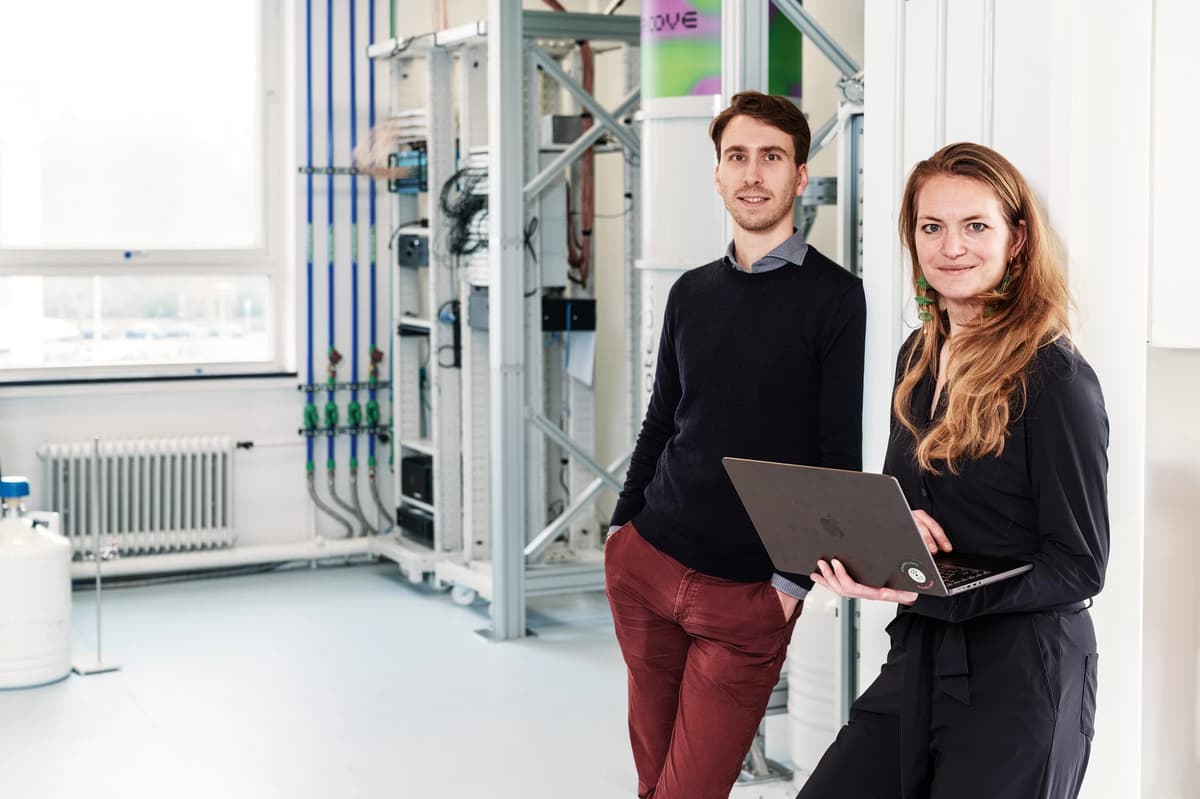
Exclusive: Groove Quantum Raises €16m to Ramp up Chip Production
Groove Quantum, a Dutch quantum‑chip startup, announced a €16 million seed round, roughly $17.4 million. The capital will be used to enlarge its quantum processors and launch industrial‑scale manufacturing. The financing marks a significant step toward commercializing quantum hardware in Europe. Investors...
IBM Expands Quantum and AI Footprint with Chicago Hub and MIT Research Lab
IBM announced a dual expansion, opening the FutureNow Chicago delivery center at the Illinois Quantum and Microelectronics Park and converting its long‑standing partnership with MIT into the new MIT‑IBM Computing Research Lab. The Chicago hub will generate 750 full‑time positions...
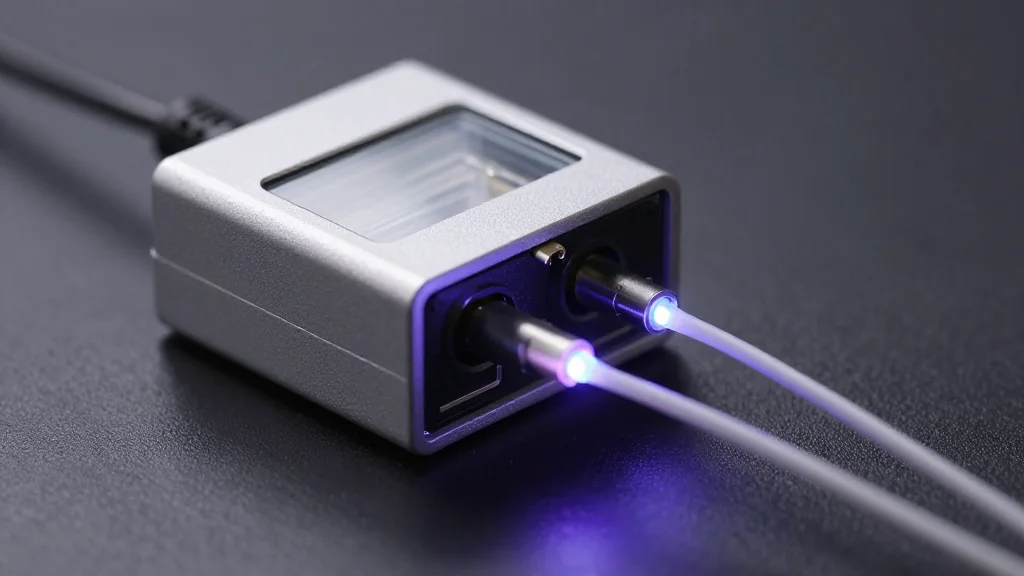
Cisco Launches Universal Quantum Switch, Paving Way for Scalable Quantum Fabric
Cisco introduced its Universal Quantum Switch, a research‑grade device that routes entangled photons at room temperature over standard telecom fiber. The switch, paired with an entanglement source chip that creates 200 million photon pairs per second, demonstrates multi‑kilometer entanglement swapping with...

Google’s Willow Chip Shows 13,000× Verifiable Quantum Advantage
Google’s Quantum AI team used its new Willow 105‑qubit chip to run the Quantum Echoes algorithm, delivering a 13,000‑fold speedup over the leading supercomputer. The result is the first hardware‑based, verifiable quantum advantage, moving quantum computing toward practical utility.

AI Turns Quantum Papers Into Executable Code
Is quantum vibe coding a thing yet? I talk to @ClassiqTech about how they're using AI to take users from a quantum computing scientific paper to running code in this episode of The Post-Quantum World. Watch below or listen wherever...

Quantum Programs Now Bypass Circuit Expansion with New Translation Pipeline
Researchers at Case Western Reserve University have created a transpilation pipeline that converts OpenQASM 3.0 programs directly into CUDA‑Q C++ kernels for NVIDIA GPUs. By bypassing static circuit expansion, the framework reduces quantum circuit depth by up to 40% and lowers...

Quantum Calculations Succeed Despite Statistical Noise, Not Instability
Oliveira and colleagues demonstrate that statistical sampling noise, not ill‑conditioning, is the primary source of error in quantum Krylov subspace methods used to estimate ground‑state energies. They introduce two novel metrics—imaginary and unitary filters—that flag unreliable eigenvalues without any prior...
Monarch Quantum and Oratomic Team Up to Build Fault‑Tolerant Qubits by 2030
Monarch Quantum will act as the photonics integrator for Oratomic’s neutral‑atom platform, targeting systems with tens of thousands of physical qubits that encode thousands of logical qubits by the end of the decade. The deal aims to cut the qubit...
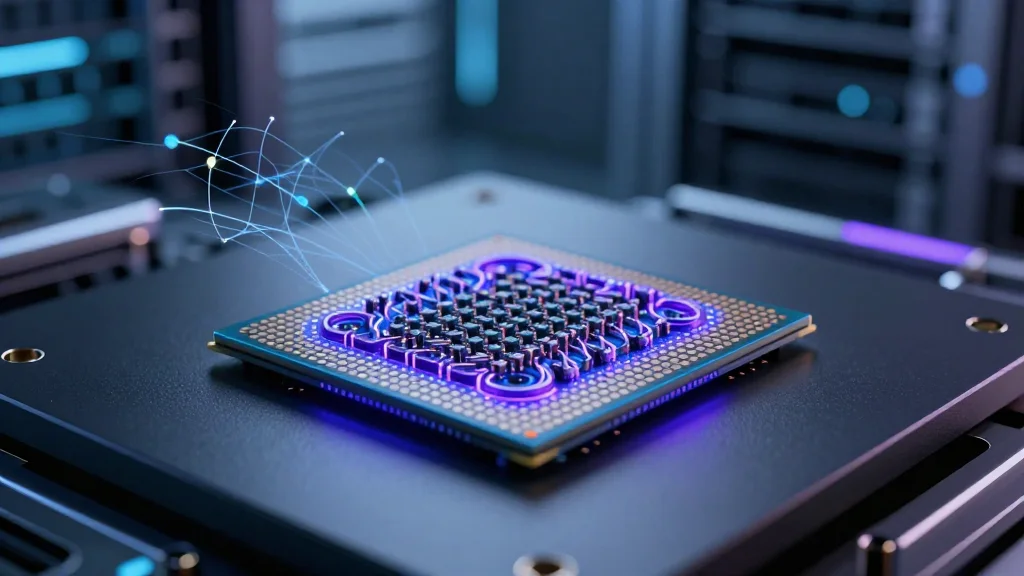
Xanadu and ORNL Bring PennyLane Quantum Software to Frontier Supercomputer
Xanadu Quantum Technologies and Oak Ridge National Laboratory have enabled the open‑source PennyLane quantum software library to run on the Frontier exascale supercomputer. The integration adds MPI support to PennyLane’s Lightning simulator, allowing distributed quantum‑circuit simulations across multiple AMD‑powered nodes....

SAS Finds 500+ Leaders Eye Quantum AI for ROI
SAS’s 2026 survey of over 500 global executives shows uncertainty about practical quantum AI applications now outweighs cost concerns, marking a shift from earlier affordability focus. The study ranks real‑world use‑case ambiguity as the top adoption barrier, followed by cost,...

Proton VPN Rolls Out Post‑Quantum Roadmap and Linux Stealth Protocol
Proton VPN disclosed a Spring‑Summer 2026 roadmap that adds client‑side post‑quantum encryption, a redesigned Linux app and the Stealth protocol to bypass aggressive firewalls. The plan, already in beta on Android and Windows, aims to cement the Swiss firm’s lead...
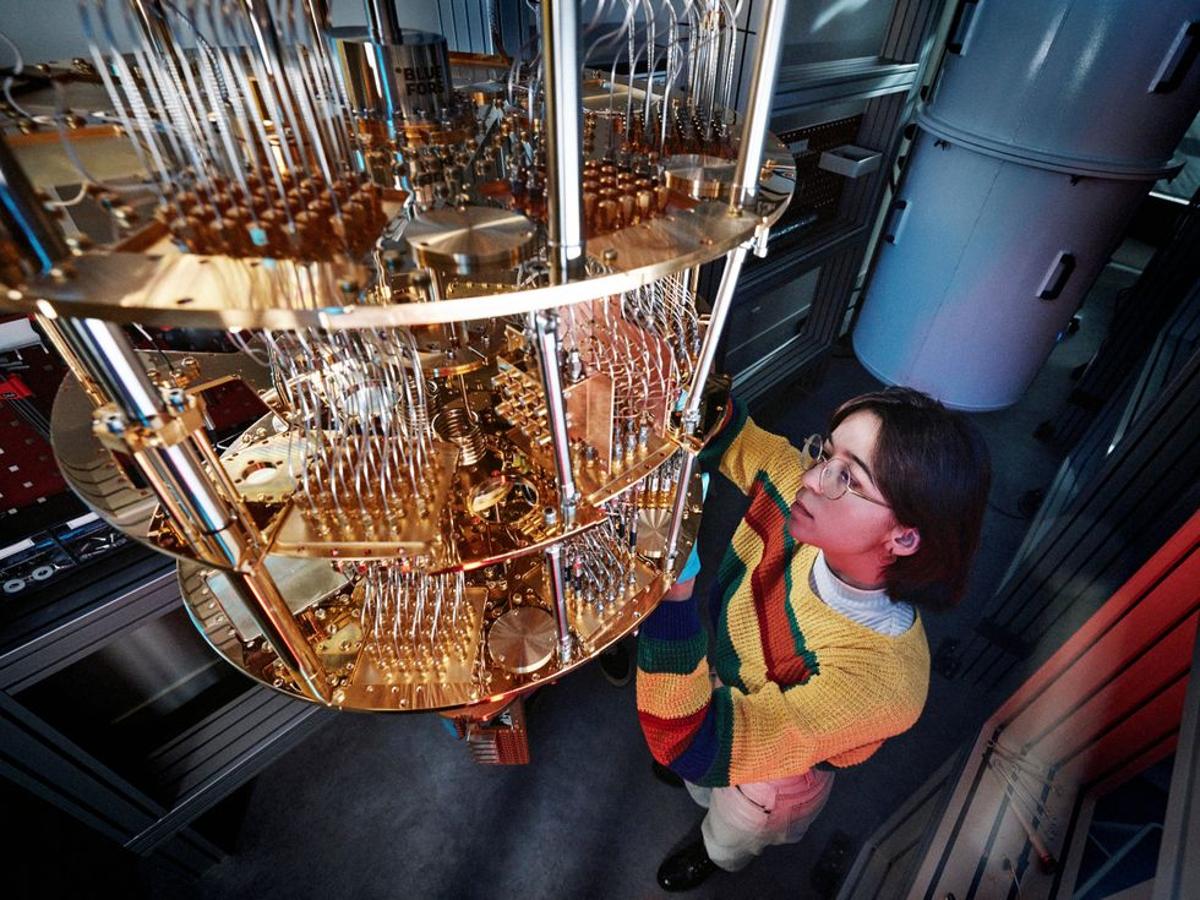
Why the Ideal Magnet Remains Out of Reach
Researchers worldwide seek a cost‑effective permanent magnet that avoids rare earths, a goal that would break China’s near‑monopoly and reshape supply chains. After a decade of classical computing attempts, a Franco‑American team led by Alice & Bob, backed by a $3.9 million...
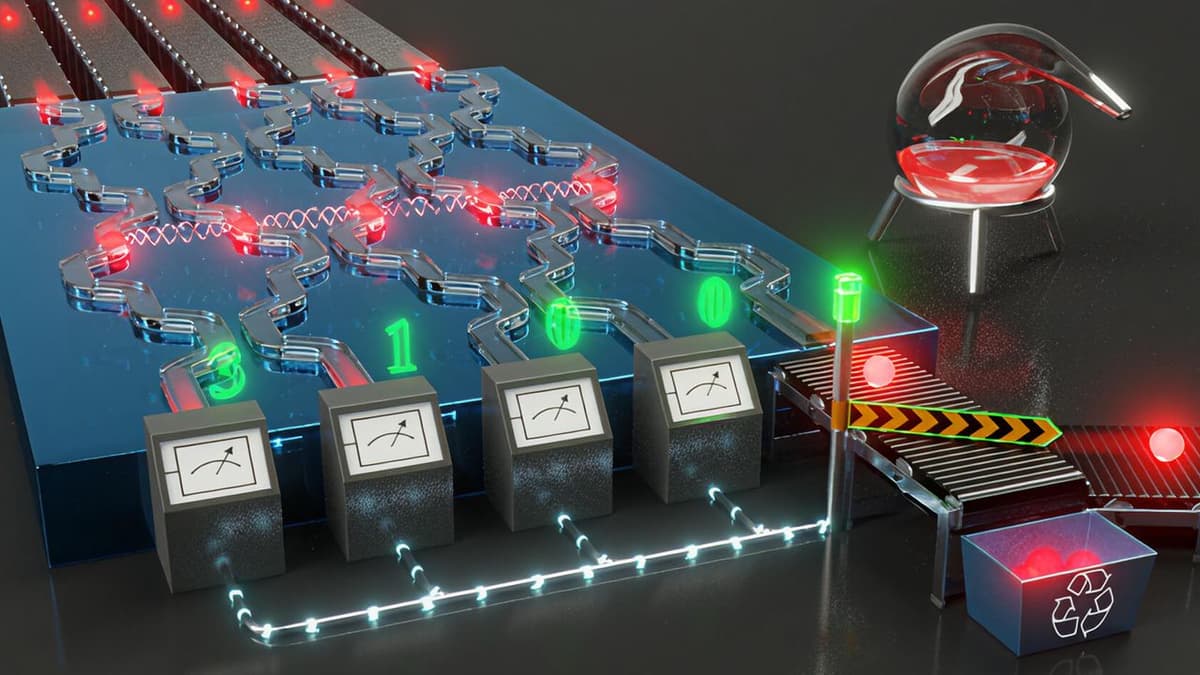
Breakthrough in Experimental Light-Powered Quantum Computers Could Mean Scaling Them up Is Now Far More Viable
Researchers at QuiX Quantum have unveiled photon distillation, a technique that pre‑emptively filters out rogue photons, achieving below‑threshold error mitigation in photonic quantum computers. By reducing errors before photons become qubits, the method cuts the qubit overhead required for fault‑tolerant...

IonQ Posts $130 M FY2025 Revenue, Earns Wedbush Strong‑buy Upgrade
IonQ announced $130 million in FY2025 revenue, crossing the $100 million GAAP threshold, and Wedbush Securities upgraded the stock to strong‑buy. The analyst firm highlighted the company's fault‑tolerance roadmap and a cash pile of $3.3 billion as catalysts for sustained growth.

It’s Time to Move Quantum From Science to Industry
Britain has pledged up to £2bn (≈ $2.5 billion) to accelerate quantum computing from research to commercial scale. The government warns there is a 12‑18‑month window to lock in sovereign capability before global supply chains solidify. While the UK boasts world‑class universities...

The MIT-IBM Computing Research Lab Launches to Shape the Future of AI and Quantum Computing
MIT and IBM have launched the MIT‑IBM Computing Research Lab, expanding the former Watson AI Lab to include quantum computing. The new three‑focus‑area lab—AI, algorithms, and quantum—will develop hybrid AI‑quantum systems, advance foundational mathematics, and train the next generation of...
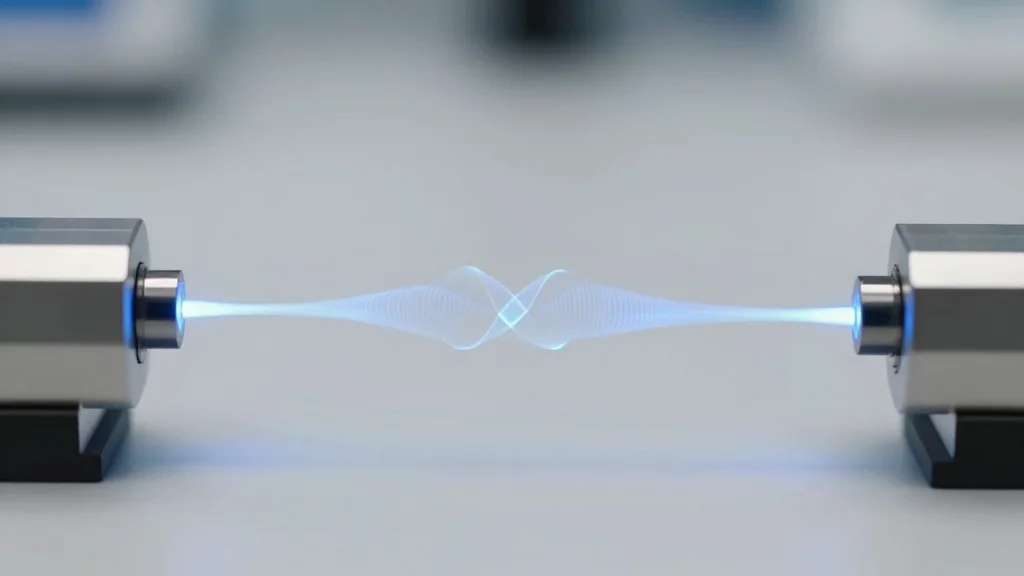
Verifying Entanglement with Limited Data
Researchers at KAIST have unveiled a practical method for confirming quantum entanglement using only a handful of measurement settings. By converting incomplete data into a suite of entanglement witnesses—some generated through a mirroring operation and others via numerical optimization—the team...

Quantum Tech Investor QDNL Rebrands to Ground State Ventures, Nears Final Close for New Fund
Venture capital firm QDNL Participations has rebranded to Ground State Ventures as it moves toward the final close of its inaugural quantum-focused fund. The firm has secured $88 million in commitments, positioning the fund to invest in early‑stage quantum technologies. The...
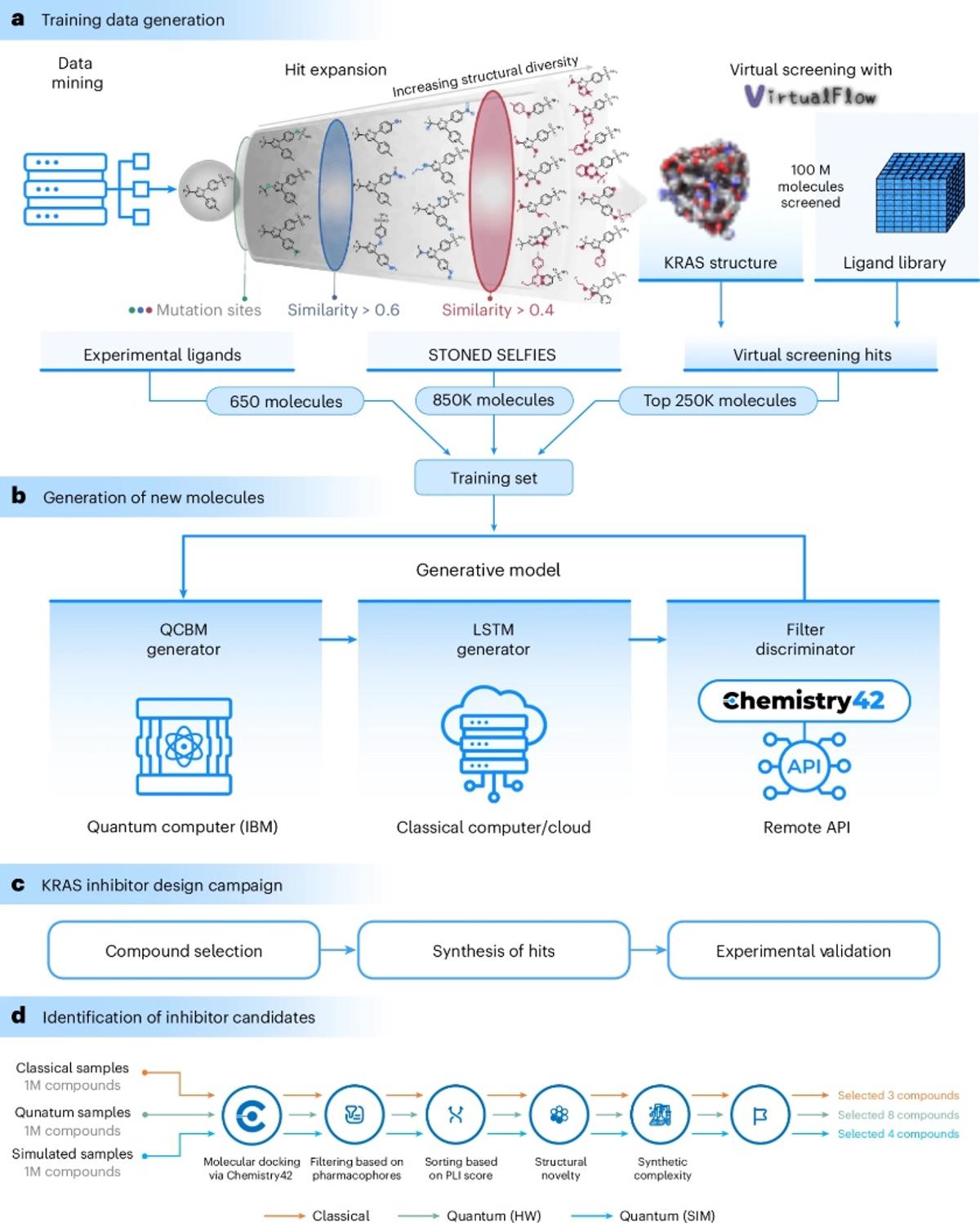
Quantum Algorithm Generates Valid KRAS Inhibitor Hits
Quantum-computing-enhanced algorithm unveils potential KRAS inhibitors 👉 “We introduce a quantum–classical generative model for small-molecule design… his work showcases the potential of quantum computing to generate experimentally validated hits that compare favorably against classical models. @biogerontology https://t.co/s7LjNpu2CP

Archer Materials Advances Quantum and Biochip Platforms Ahead of Key 2026 Prototypes
Archer Materials reported notable advances in its quantum computing, sensing and medical diagnostics platforms during the March quarter while staying debt‑free with $10.3 million in cash. The company moved its 12CQ qubit program into the readout stage, completed the first phase...

Dell Introduces Quantum‑Ready PCs to Bolster Cyber Resilience
Dell Technologies rolled out quantum‑ready protections for its commercial PC line, hardening firmware and BIOS against future quantum‑enabled attacks. The move expands Dell’s cyber‑resilience portfolio amid growing concerns over AI‑driven threats and the long‑term risk of quantum decryption.
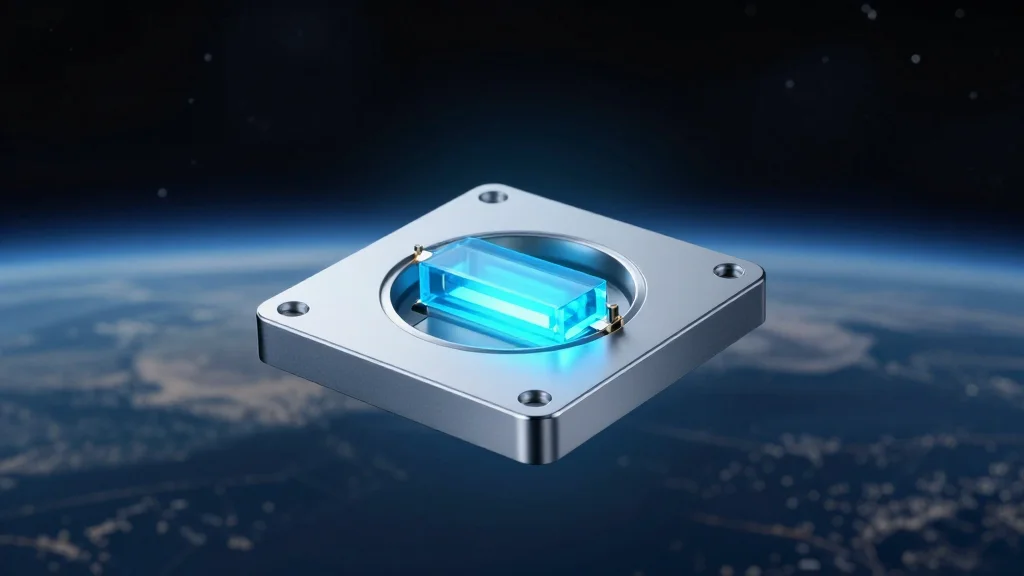
QuantX Labs Launches First Australian-Built Quantum Clock Into Orbit
QuantX Labs sent its TEMPO quantum clock to space aboard SpaceX's Transporter-16 mission, marking the first Australian-built optical atomic clock in orbit. The payload promises up to ten‑fold improvement over GPS timing and aligns with Australia’s $425 billion (≈$280 bn USD) defence...