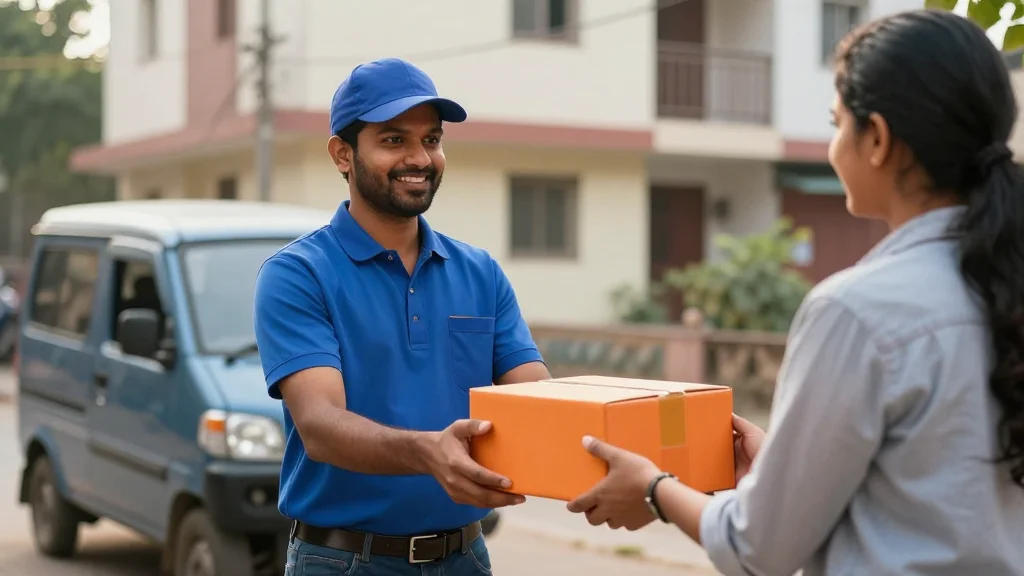
10 Years of Amazon Prime: How Tier-2 and Tier-3 Cities Are Powering Its Next Growth Wave
Companies Mentioned
Why It Matters
The surge in smaller‑city adoption fuels Amazon’s growth engine in India, driving higher purchase frequency, premium product uptake, and a competitive edge in the country’s fast‑moving e‑commerce market.
Key Takeaways
- •70% of Prime members now from tier‑2 and tier‑3 cities
- •Amazon invested ~ $240 million in infrastructure, boosting two‑day deliveries 40%
- •Prime members shop five times more and save over twice membership cost
- •40,000 items ship within four hours; 1 M same‑day, 4 M next‑day deliveries
- •New tiered plans priced $12, $7, $4 expand affordability in India
Pulse Analysis
India’s e‑commerce landscape has matured beyond the traditional metros, and Amazon Prime is capitalising on that shift. Tier‑2 and tier‑3 cities, collectively home to over half of India’s population, now generate the majority of new Prime sign‑ups. This demographic transition reflects rising disposable incomes, improved internet penetration, and a cultural appetite for the convenience and status associated with Prime’s bundled services. By tailoring its value proposition—faster deliveries, curated entertainment, and exclusive discounts—Amazon is embedding itself into the daily lives of consumers outside the major urban corridors.
Logistics has become the linchpin of Amazon’s growth strategy. A $240 million infusion into warehouses, sort centres, and last‑mile networks has accelerated delivery capabilities, with 40,000 top‑selling products reachable within four hours and millions of orders fulfilled same‑day or next‑day. The speed advantage translates into tangible behavioural shifts: Prime members shop roughly five times more often and generate three‑fold visit frequency compared with non‑members. Moreover, the program’s savings engine delivers more than double the membership fee in aggregate benefits, reinforcing loyalty and encouraging higher‑value purchases such as premium smartphones and appliances.
Looking ahead, Amazon is lowering price barriers through three tiered plans—Prime at $12 per year, Prime Lite at $7, and Prime Shopping Edition at $4—making the service accessible to price‑sensitive shoppers while preserving premium tiers for aspirational buyers. The upcoming Prime Day 2026, spanning July 4‑6, will showcase over 500 product launches and AI‑driven experiences like Prime Playback, further deepening engagement. As the company expands to 100 cities and continues to refine regional content, the combination of rapid commerce, tiered pricing, and personalised entertainment positions Prime to dominate the next wave of Indian online retail.
10 Years of Amazon Prime: How tier-2 and tier-3 cities are powering its next growth wave
Comments
Want to join the conversation?
Loading comments...