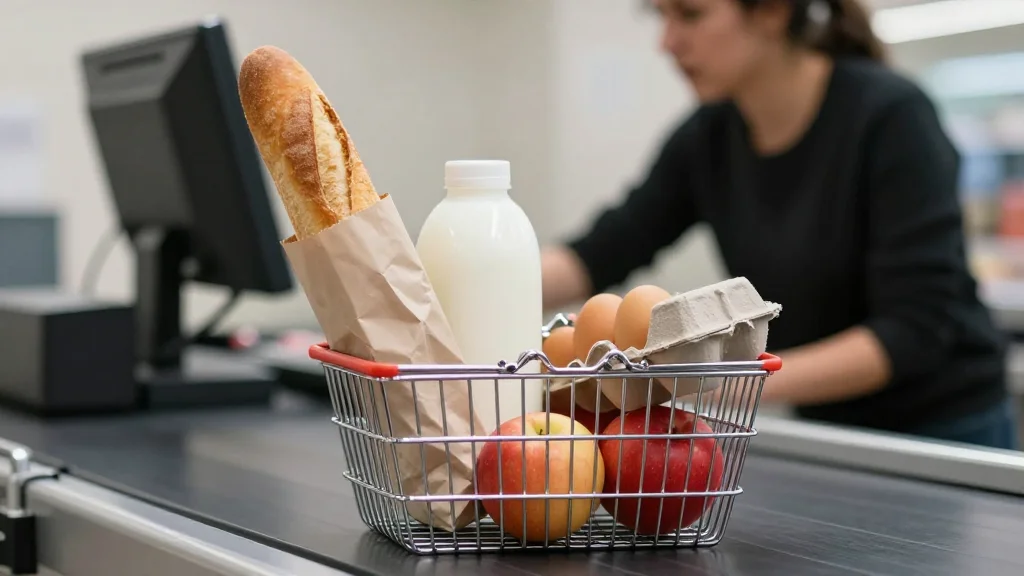
4 Key Numbers that Highlight the Stress Grocery Consumers Are Facing
Companies Mentioned
Why It Matters
The convergence of declining sales, rising inflation, and expanding alternative financing signals heightened financial strain for consumers and challenges for grocers to maintain volume and margin. Policy‑driven SNAP cuts could exacerbate food‑insecurity risks, reshaping demand dynamics across the sector.
Key Takeaways
- •Weekly grocery unit sales fell 0.9% YoY in late May
- •29% of shoppers used BNPL for groceries, up from 25%
- •SNAP enrollment dropped 12% YoY, losing 4.8 million participants
- •Grocery inflation stayed near 3‑year high at 2.7% annual rate
Pulse Analysis
The latest University of Michigan consumer sentiment index reveals that shoppers are still grappling with inflationary pressures, even after a modest 9% rebound in June. This lingering unease is reflected in grocery aisles, where Circana data shows a 0.9% year‑over‑year decline in unit sales for the week ending May 31. Perishables such as seafood saw the steepest drops, while refrigerated dairy managed a modest gain, highlighting a nuanced shift in category preferences as households prioritize essential, lower‑cost items.
Buy‑now‑pay‑later services have emerged as a coping mechanism, with 29% of consumers reporting usage for grocery purchases—a notable rise from 25% a year earlier. The adoption spans demographics, from Gen Z to high‑income earners, indicating that BNPL is no longer confined to niche segments. While this financing option can smooth short‑term cash flow for shoppers, it also raises concerns about debt accumulation and the long‑term sustainability of credit‑based consumption models, prompting retailers to balance promotional incentives with responsible lending practices.
Compounding these consumer‑level stresses, USDA data shows SNAP participation slipping 12% year‑over‑year, translating to a loss of about 4.8 million beneficiaries. Policy changes under H.R. 1 have tightened eligibility, potentially pushing vulnerable households toward food insecurity and greater reliance on charitable food banks. At the same time, grocery inflation remains near a three‑year peak at 2.7%, driven by sharp price spikes in beef, coffee and tomatoes. Together, these forces suggest a tightening market where grocers must navigate price sensitivity, alternative payment adoption, and the social implications of reduced food assistance.
4 key numbers that highlight the stress grocery consumers are facing
Comments
Want to join the conversation?
Loading comments...