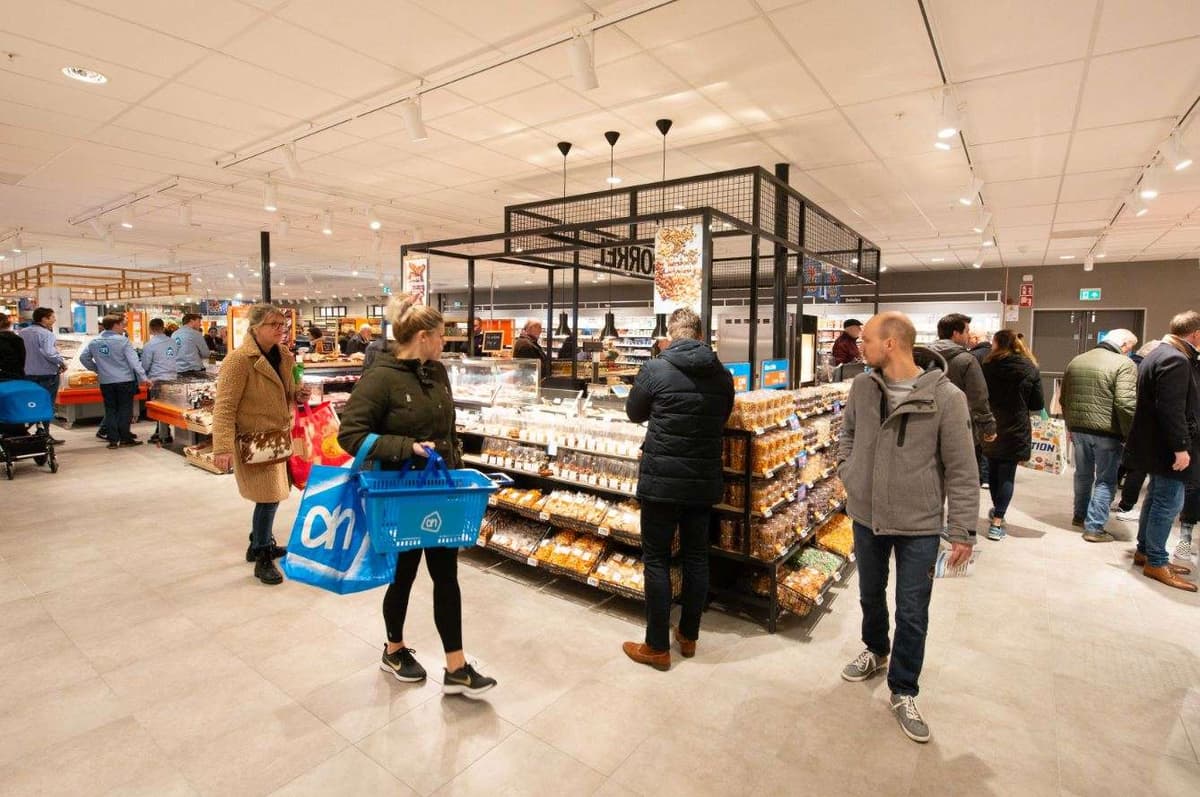
Albert Heijn Reduces Bakery Waste Using AI
Why It Matters
By aligning supply with demand, the retailer reduces waste costs while offering cheaper bread, strengthening its sustainability brand and competitive pricing.
Key Takeaways
- •AI predicts daily bakery demand per store
- •Prices drop up to 70% as items age
- •Waste reduced by 815,000 kg since 2025 rollout
- •Supports AH goal to halve food waste by 2030
Pulse Analysis
Albert Heijn’s new dynamic pricing model showcases how AI can transform a traditional grocery category. The proprietary “Bake” platform ingests point‑of‑sale data, historical consumption patterns, and real‑time inventory levels to generate minute‑by‑minute demand forecasts for each store. When the algorithm detects excess supply, it automatically lowers prices on digital shelf labels and in the AH app, creating a fluid pricing curve that can reach 70% off by closing time. This level of granularity not only optimizes bakeries’ production schedules but also reduces the need for manual markdown decisions, freeing staff to focus on customer service.
The waste‑reduction impact is immediate and measurable. Since the summer 2025 rollout, Albert Heijn reports a decline of 815,000 kilograms of bakery waste, translating into lower disposal costs and a smaller carbon footprint. Consumers benefit from lower prices on fresh bread, reinforcing the retailer’s “Last Chance Bargains” initiative that highlights near‑expiry items across categories. By coupling sustainability with affordability, the chain strengthens brand loyalty among price‑sensitive shoppers while advancing its 2030 goal to halve food waste compared with 2016 levels.
Beyond the Dutch market, Heijn’s approach signals a broader shift in grocery retail toward AI‑enabled inventory and pricing strategies. Competitors are watching as real‑time price elasticity data becomes a differentiator in a low‑margin industry. The success of dynamic bakery pricing could inspire similar applications for perishable goods such as dairy, produce, and ready‑to‑eat meals, accelerating the sector’s move toward data‑driven waste mitigation and profit optimization.
Albert Heijn reduces bakery waste using AI
Comments
Want to join the conversation?
Loading comments...