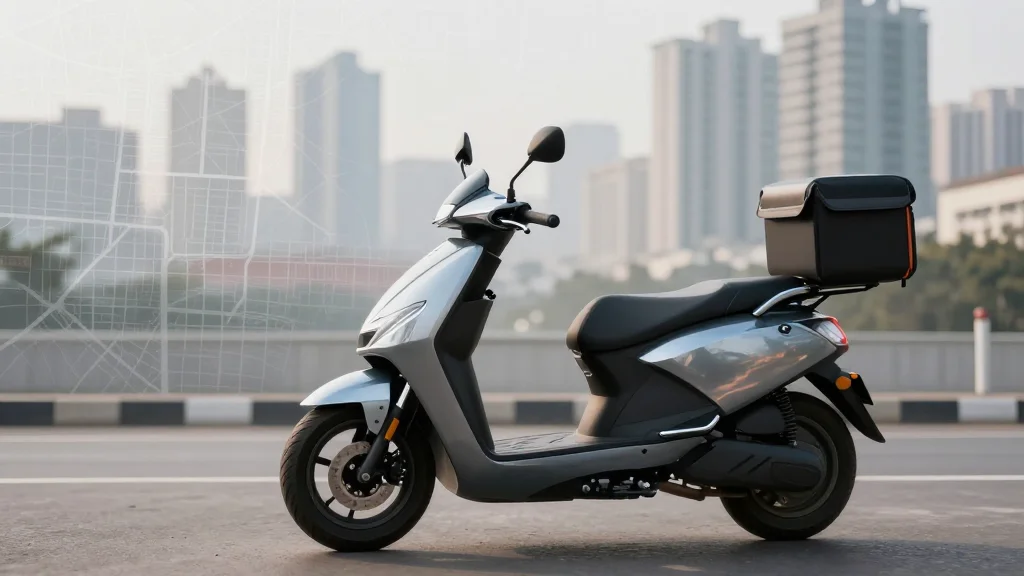
Amazon Now Replaces Google Maps With MapmyIndia’s Mappls APIs
Companies Mentioned
Why It Matters
The deal gives Amazon a locally‑optimised geospatial stack, improving address accuracy and delivery speed, while signaling a broader shift toward homegrown tech solutions in India’s e‑commerce logistics.
Key Takeaways
- •Amazon Now now uses MapmyIndia's Mappls APIs in Bengaluru, Mumbai.
- •MapmyIndia invested ~₹25 Cr ($3 M) in Zepto, its quick‑commerce partner.
- •India's quick‑commerce market could reach $40 bn by 2030.
- •Domestic geospatial tools gain traction over Google for localisation compliance.
- •Amazon Now grows ~25% month‑over‑month, targeting 100 Indian cities.
Pulse Analysis
MapmyIndia’s win over Google Maps marks a pivotal moment for India’s location‑services landscape. By embedding its Mappls APIs and SDKs directly into Amazon Now’s app, the company delivers hyper‑local address verification, rider navigation, and route optimisation tailored to Indian city layouts. The switch reduces latency, improves data accuracy, and aligns with regulatory expectations around data residency, giving Amazon a competitive edge in a market where delivery windows are measured in minutes rather than hours.
The quick‑commerce sector is on a rapid expansion trajectory, with analysts forecasting a $40 billion market size by 2030. Amazon Now’s reported 25% month‑over‑month growth and its plan to scale to 100 cities—supported by over 1,000 micro‑fulfilment centres—highlight the intensity of the race. Competitors such as Blinkit, Zepto, and Flipkart’s Minutes are also pouring billions into dark‑store networks, making precise geospatial intelligence a critical differentiator for speed and cost efficiency.
MapmyIndia’s strategic investment of roughly ₹25 crore ($3 million) in Zepto underscores its ambition to become the backbone of India’s hyperlocal logistics. The broader trend of Indian firms favoring domestic mapping solutions reflects a push for better localisation, compliance, and address intelligence that global providers often lack. As more e‑commerce giants adopt homegrown geospatial stacks, the ecosystem is set to foster innovation, lower dependence on foreign platforms, and accelerate the nation’s march toward a $40 billion quick‑commerce future.
Amazon Now Replaces Google Maps With MapmyIndia’s Mappls APIs
Comments
Want to join the conversation?
Loading comments...