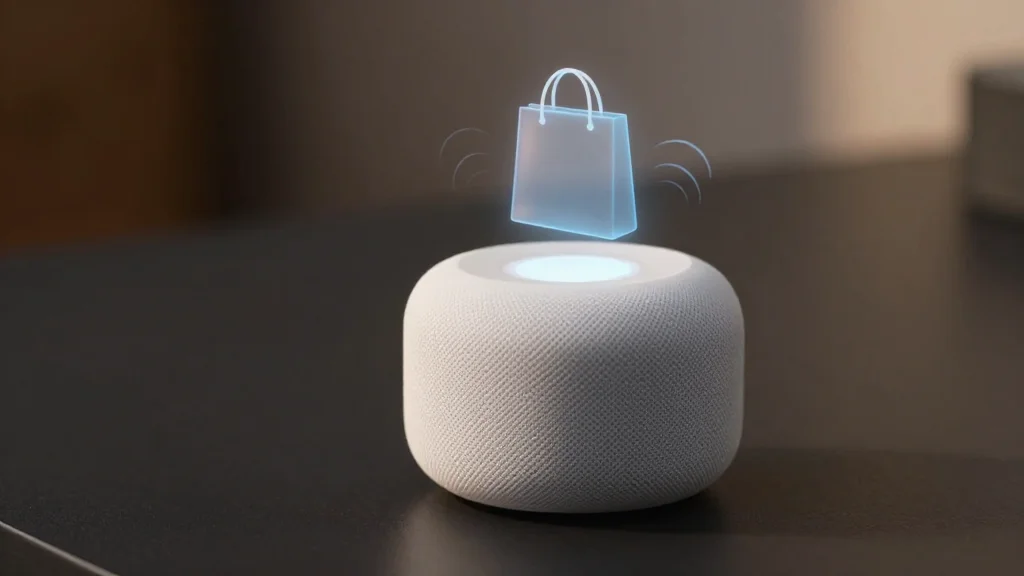
Amazon Swaps Rufus for Alexa for Shopping, Puts Voice AI at Core of E‑Commerce

Companies Mentioned
Why It Matters
The replacement of Rufus with Alexa for Shopping marks a strategic pivot toward voice‑centric commerce, a segment analysts predict will account for a growing share of online sales. By leveraging Alexa’s existing user base, Amazon can accelerate adoption of conversational purchasing, potentially reshaping how retailers present product information and price alerts. For merchants, the change underscores the importance of optimizing product data for natural‑language queries and ensuring inventory is accurately reflected in price‑tracking feeds. Retailers that fail to adapt may see reduced visibility in Amazon’s AI‑driven recommendation engine, while early adopters could benefit from higher conversion rates driven by seamless voice interactions.
Key Takeaways
- •Amazon retired the Rufus chatbot and launched Alexa for Shopping this week.
- •The new assistant is embedded in the main search bar, enabling natural‑language product queries.
- •Alexa for Shopping will use shoppers' purchase history and Alexa conversations to personalize results.
- •Industry observers view the move as a consolidation of AI features under a single, familiar brand.
- •Retailers will need to adjust product listings to accommodate voice‑driven search and price‑tracking.
Pulse Analysis
Amazon’s decision to fold Rufus into Alexa reflects a maturation of conversational AI from experimental add‑ons to core commerce infrastructure. The company’s massive ecosystem—spanning Echo devices, Fire TV, and the Amazon app—provides a ready-made audience for the new assistant, reducing the friction that plagued Rufus’s adoption. By centralizing data signals, Amazon can refine its recommendation algorithms, delivering more precise product matches and dynamic pricing cues that are difficult for competitors to replicate.
Historically, e‑commerce platforms have struggled to balance the novelty of chat‑based assistants with the efficiency of traditional search. Early experiments, including Amazon’s own early‑stage voice shopping pilots, showed promise but suffered from low usage due to fragmented user experiences. Alexa for Shopping addresses this by eliminating a separate UI layer, allowing shoppers to stay within the familiar search workflow while gaining conversational benefits. This integration could accelerate the shift toward voice‑first purchasing, especially as smart‑speaker penetration continues to rise.
Looking forward, the real test will be whether Alexa for Shopping can deliver a checkout experience that rivals the speed of a click. If Amazon can reduce the number of steps between intent and purchase, it may set a new benchmark for the industry, prompting rivals to accelerate their own voice commerce initiatives. Retailers that invest early in voice‑optimized content and price‑tracking APIs stand to capture a larger slice of this emerging market, while those that lag may find their products buried in a rapidly evolving AI‑driven discovery layer.
Amazon Swaps Rufus for Alexa for Shopping, Puts Voice AI at Core of E‑Commerce
Comments
Want to join the conversation?
Loading comments...