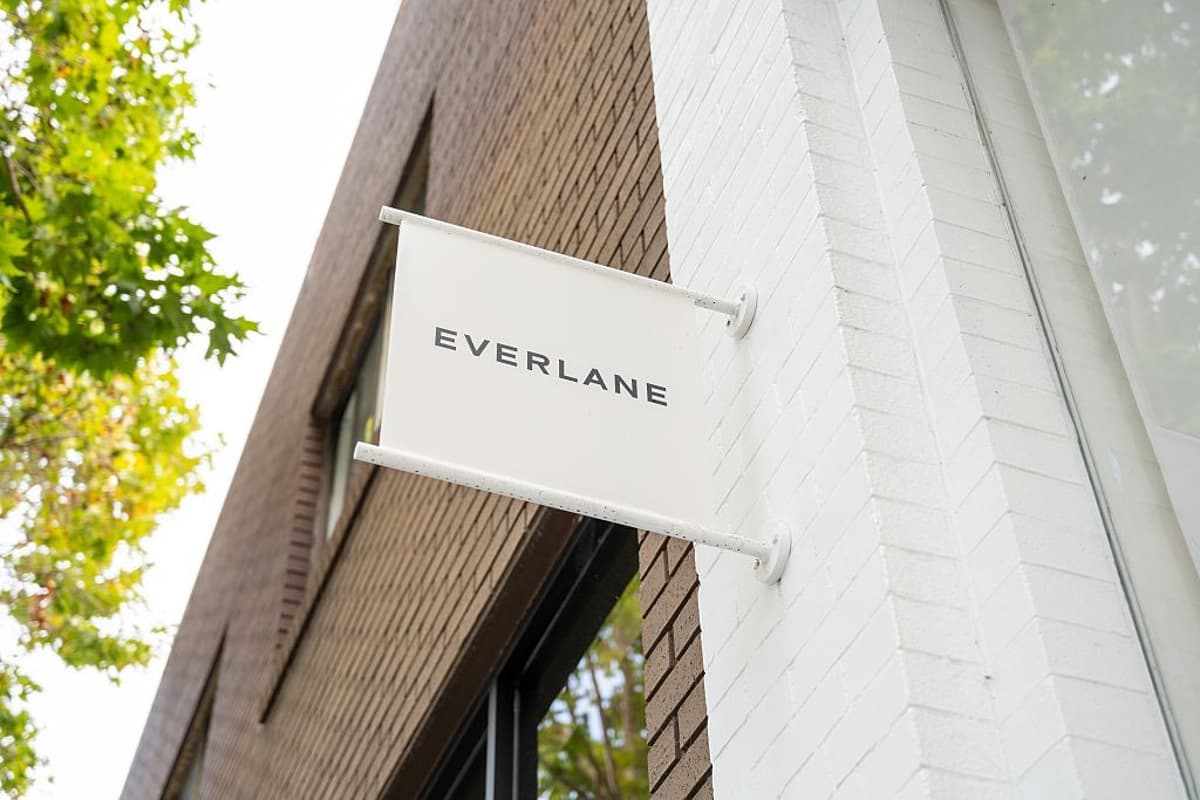
Deal or No Deal: Has Everlane Sold Out to Fast-Fashion with Shein Alliance?
Why It Matters
The deal tests whether a brand built on ethical positioning can coexist with a fast‑fashion powerhouse without eroding consumer trust, a question that could reshape sustainability narratives across retail.
Key Takeaways
- •Everlane announced a supply partnership with Shein for 2026 collection
- •Collaboration aims to leverage Shein's logistics while maintaining Everlane's pricing
- •Critics argue partnership undermines Everlane's sustainability brand promise
- •Stock analysts note potential short‑term revenue boost but long‑term brand risk
- •Consumer sentiment split, with social media backlash trending #EverlaneShein
Pulse Analysis
Everlane has long marketed itself as a transparent, ethically sourced alternative to mainstream apparel, appealing to millennials and Gen Z shoppers willing to pay a premium for sustainability. By aligning with Shein—renowned for rapid turnover, low‑cost production, and a controversial environmental record—Everlane is attempting to reconcile its price‑point ambitions with the demand for faster, more affordable fashion cycles. The partnership promises a curated capsule that uses Shein’s massive manufacturing scale, potentially lowering unit costs and expanding Everlane’s reach into price‑sensitive segments that previously shunned the brand.
From a strategic standpoint, the collaboration offers Everlane access to Shein’s data‑driven design pipeline and a logistics infrastructure capable of delivering products within days worldwide. This could accelerate Everlane’s time‑to‑market, allowing it to respond to trend spikes without the capital outlay of building its own ultra‑fast supply chain. For Shein, the alliance provides a veneer of ethical credibility, helping the Chinese retailer mitigate growing regulatory scrutiny and consumer backlash in Western markets. Together, they aim to capture a hybrid consumer—one who values both affordability and a modicum of transparency.
However, the partnership also poses significant brand‑risk. Everlane’s core audience associates the label with slow fashion principles; any perception of compromise may trigger loyalty erosion and amplify activist criticism. Social media sentiment already shows a split, with hashtags like #EverlaneShein trending alongside calls for boycotts. Investors are watching closely: while quarterly earnings may benefit from the added volume, long‑term valuation hinges on whether Everlane can preserve its ethical narrative while navigating the fast‑fashion ecosystem. The outcome will likely influence how other purpose‑driven brands approach collaborations with high‑volume, low‑cost manufacturers.
Deal or no deal: Has Everlane sold out to fast-fashion with Shein alliance?
Comments
Want to join the conversation?
Loading comments...