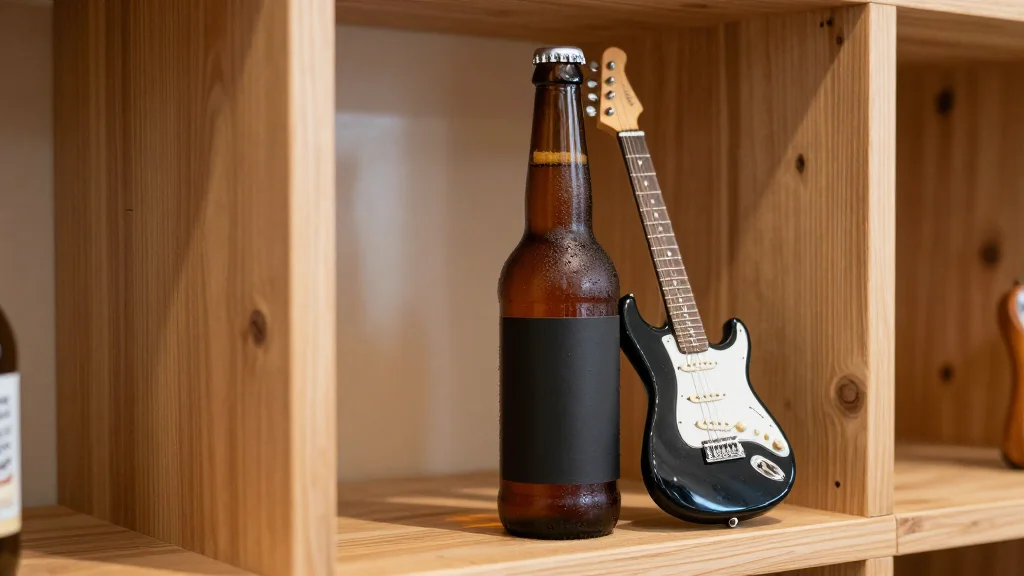
Foundry American Pale Ale Rolls Out Nationwide Distribution Push

Companies Mentioned
Why It Matters
Foundry’s nationwide distribution effort illustrates how craft‑beer brands are leveraging lifestyle marketing to secure shelf space and on‑premise presence in a crowded market. By aligning a beer with a music‑centric identity, the company taps into consumer desire for experiences that extend beyond the product itself, a trend that retailers are eager to capitalize on. The expansion also highlights the importance of flexible distribution models that combine traditional wholesale channels with targeted regional partnerships, a blueprint that other emerging brands may emulate. For the broader retail ecosystem, the move could intensify competition among craft brewers for limited shelf real estate, prompting retailers to prioritize brands that can deliver ancillary promotional value. Bars and casinos, in particular, may see an uptick in themed events and cross‑promotional opportunities, driving incremental revenue and enhancing customer loyalty.
Key Takeaways
- •Foundry American Pale Ale is expanding distribution to retailers, bars, restaurants and casinos across the U.S.
- •The brand uses a rock‑and‑roll lifestyle narrative to drive consumer demand and retailer engagement.
- •Expansion relies on authorized distributors and regional partnership agreements.
- •The rollout reflects a broader industry trend of experiential branding in craft beer.
- •Retailers and on‑premise venues can leverage the brand’s music‑centric identity for promotional events.
Pulse Analysis
Foundry’s push into new markets arrives at a moment when craft‑beer sales have plateaued nationally, but niche brands that offer a strong cultural hook continue to find growth pockets. By marrying a traditional American Pale Ale profile with a hard‑rock aesthetic, Foundry creates a differentiated value proposition that goes beyond taste. This approach mirrors successful strategies seen in other beverage categories, where lifestyle alignment—think energy drinks and extreme sports—drives shelf turnover and premium pricing.
From a distribution standpoint, the reliance on authorized distributors rather than building a proprietary logistics network reduces capital outlay and accelerates market entry. However, it also places the brand at the mercy of distributor priorities and existing portfolio commitments. The success of the rollout will hinge on the ability of these partners to allocate shelf space and on‑premise placements in a competitive environment where established macro‑brewers still dominate shelf share.
Looking ahead, the key question is whether Foundry can translate its marketing buzz into sustainable sales velocity. If the brand can demonstrate strong sell‑through rates, it may attract additional investment and expand into ancillary product lines, such as limited‑edition brews tied to specific tours or festivals. Conversely, a tepid market response could underscore the limits of lifestyle branding when not backed by compelling distribution economics. Retailers and on‑premise operators will be watching closely, as the outcome may shape how they evaluate future partnerships with similarly positioned craft brands.
Foundry American Pale Ale Rolls Out Nationwide Distribution Push
Comments
Want to join the conversation?
Loading comments...