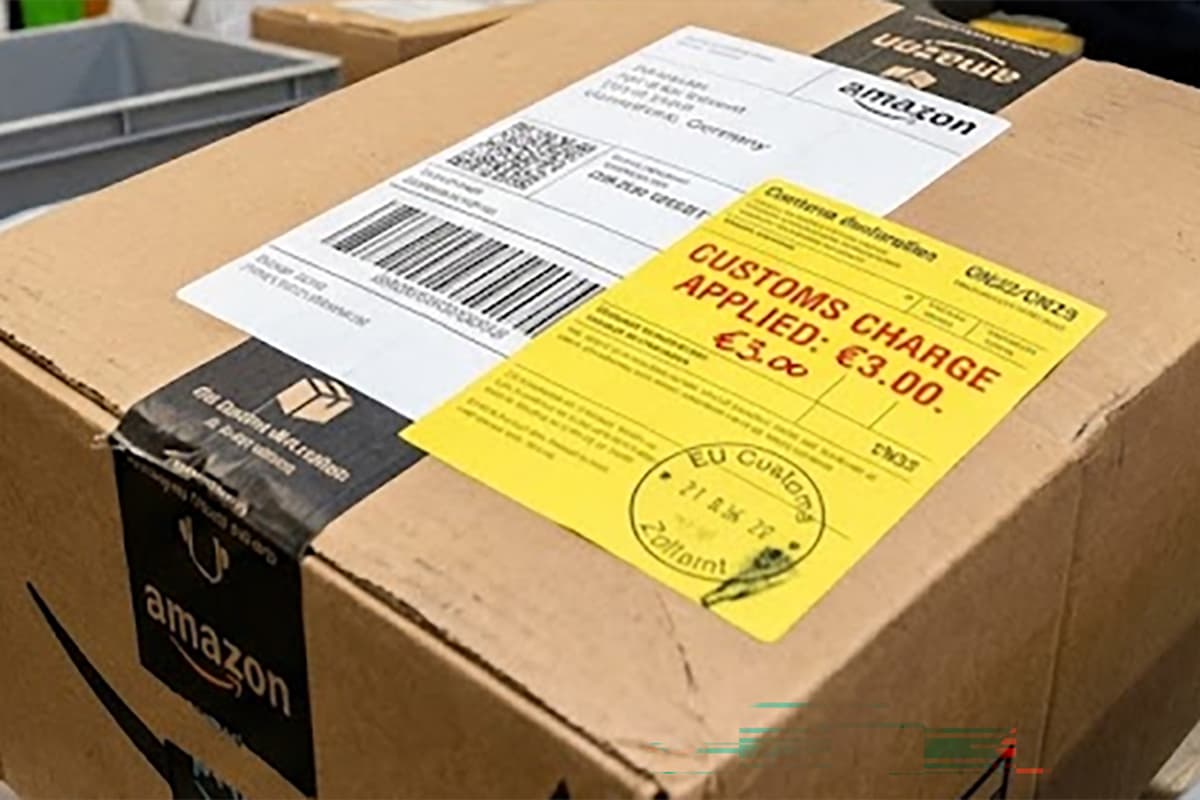
How Amazon Will Handle B2C Low-Value Imports Into the EU
Companies Mentioned
Why It Matters
The new duty raises costs for cross‑border sellers, potentially inflating prices and reshaping fulfilment strategies across the EU e‑commerce market.
Key Takeaways
- •€3 (~$3.20) duty per item ≤ €150 (~$162) starts July 1 2026.
- •Both FBA and FBM shipments from outside EU now incur import duty.
- •FBM sellers must use Amazon‑approved carriers with IOSS and DDP shipping.
- •Amazon adds duty to FBA product price, potentially raising consumer price.
- •Local EU inventory avoids duty, encouraging sellers to shift fulfillment.
Pulse Analysis
The EU’s decision to scrap the low‑value import exemption reflects broader efforts to level the playing field between domestic retailers and overseas e‑commerce platforms. By imposing a €3 duty on items under €150, regulators aim to capture revenue lost to the previous de‑minimis threshold while ensuring that all sellers contribute to customs collections. For Amazon’s marketplace, this shift means a new compliance layer: sellers must navigate the Import One‑Stop Shop (IOSS) system, select approved carriers, and adopt Delivered Duty Paid (DDP) terms to shield customers from surprise fees. Those who fail to adapt risk price‑visibility issues and potential cart abandonment.
From a seller perspective, the added duty directly impacts margin calculations and pricing algorithms. FBA merchants will see the €3 charge reflected in the consumer‑facing price, which could erode competitiveness unless they adjust base prices or absorb the cost. FBM sellers, meanwhile, bear the administrative burden of providing ASIN details and IOSS numbers to carriers, effectively shifting some customs responsibilities back to the merchant. Many will reassess their cross‑border strategies, weighing the cost of compliance against the benefits of direct‑to‑consumer shipping from overseas warehouses.
Strategically, the policy incentivizes a shift toward local inventory placement. By stocking products in Amazon’s EU fulfilment centres, sellers can bypass the duty entirely, enjoy faster delivery times, and maintain price consistency. This aligns with a broader trend of regionalisation in supply chains, where businesses hedge against regulatory changes and rising shipping costs. Sellers that proactively re‑engineer their logistics—leveraging Amazon’s network, renegotiating carrier contracts, and updating pricing rules—will be better positioned to sustain growth in the increasingly regulated European market.
How Amazon will handle B2C low-value imports into the EU
Comments
Want to join the conversation?
Loading comments...