How Blueland Reinvented Its Packaging for the Retail Aisle
Why It Matters
The rebrand equips Blueland to compete directly with legacy cleaning giants on retail shelves, potentially accelerating growth and setting a new standard for sustainable packaging in mass‑market channels.
Key Takeaways
- •Blueland transitions from DTC to major retail distribution
- •New packaging uses recyclable cardboard and bold color palette
- •Rebrand targets visibility amid cluttered cleaning aisles
- •CEO stresses sustainability without compromising product performance
- •Retail rollout projected to drive double‑digit sales increase
Pulse Analysis
Sustainable packaging is no longer a niche differentiator; it has become a baseline expectation for modern consumers. Blueland’s 2019 launch tapped into this shift by offering refillable cleaning solutions that eliminated single‑use plastic. As the brand matured, its early reliance on direct‑to‑consumer shipments limited exposure to shoppers who make decisions in‑store. By entering mainstream retail, Blueland confronts the challenge of standing out among dozens of established brands that dominate the cleaning aisle.
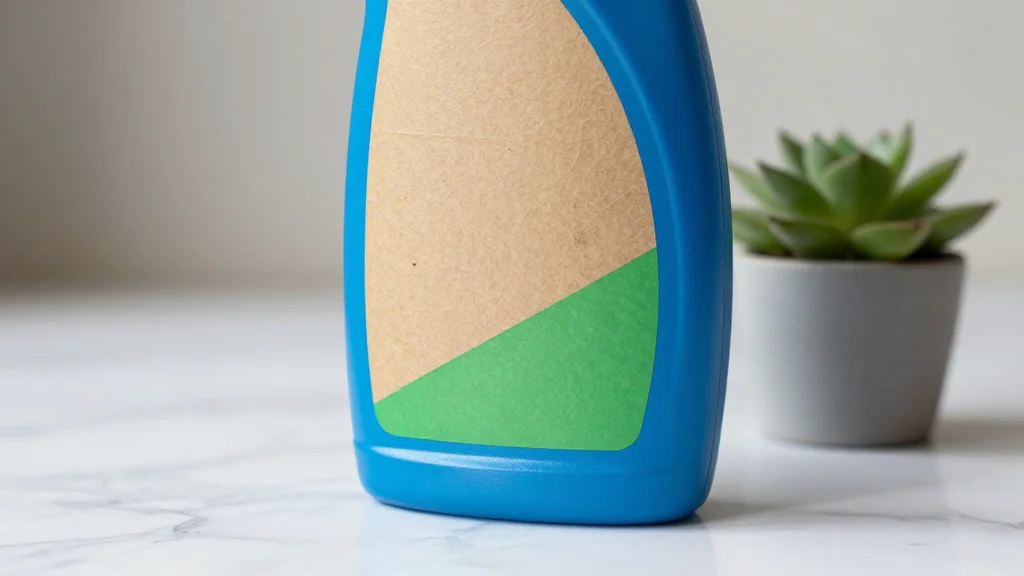
The latest rebrand tackles that challenge head‑on. A refreshed logo paired with a vibrant, pastel‑hued palette replaces the previous minimalist aesthetic, creating an instant visual cue that signals eco‑friendliness. More importantly, the packaging itself has been overhauled: products now arrive in sturdy, 100% recyclable cardboard cartons that house reusable spray bottles, eliminating the need for plastic shells. This material shift not only reduces carbon footprint but also aligns with retailer sustainability mandates, making Blueland an attractive partner for chains seeking greener shelf‑stock. The design team consulted retail psychologists to ensure the new colors draw the eye without overwhelming shoppers, a tactic proven to boost impulse purchases.
Industry analysts view Blueland’s move as a bellwether for the broader consumer‑goods sector. As retailers tighten packaging standards and consumers demand transparency, brands that can marry sustainability with strong shelf presence are poised for rapid expansion. Blueland’s strategy—combining recyclable materials, bold branding, and a clear value proposition—could pressure competitors to accelerate their own eco‑initiatives. If the rollout succeeds, it may catalyze a wave of sustainable redesigns across the household cleaning market, reshaping how brands communicate environmental responsibility at the point of sale.
How Blueland Reinvented Its Packaging for the Retail Aisle
Comments
Want to join the conversation?
Loading comments...