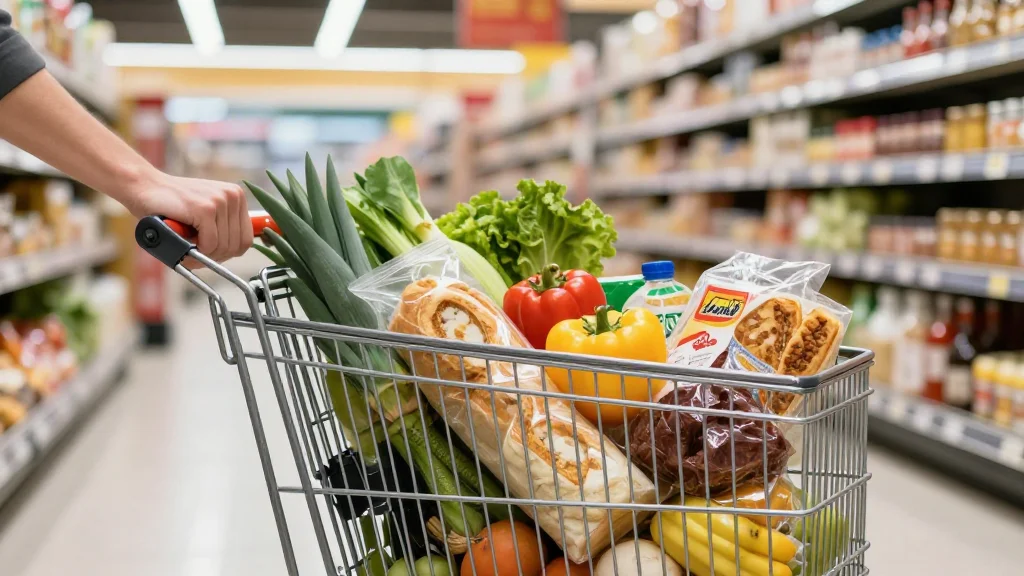
How Grocers Can Embrace the ‘Promiscuous Shopper’
Why It Matters
The shift forces grocers to reallocate marketing spend toward category leadership and differentiated experiences, directly impacting share‑of‑wallet and profitability in a price‑sensitive market.
Key Takeaways
- •Only 1% of shoppers stay loyal to one grocery store
- •Over 90% of shoppers prioritize price over brand loyalty
- •Retailers should focus on category dominance, not one‑stop‑shop model
- •Invest heavily in must‑win categories to capture higher spend share
- •Make stores destination‑worthy with unique experiences and frictionless delivery
Pulse Analysis
The rise of the “promiscuous shopper” marks a fundamental break from the mid‑20th‑century loyalty model that once anchored grocery retail. Today, price pressure—exacerbated by rising food costs and broader inflation—drives consumers to treat grocery stores as interchangeable options, rotating through discount chains, specialty markets, and online platforms each week. Upside’s data that only 1% of shoppers remain loyal underscores a new baseline: retailers must accept that shoppers will compare prices across multiple venues before making a purchase, turning the grocery aisle into a competitive marketplace rather than a brand sanctuary.
For grocers, the strategic imperative is clear: shift from a broad, all‑category approach to a focused, category‑dominance strategy. By identifying “must‑win” categories—whether it’s organic produce, bulk goods, or premium meat—retailers can allocate superior staffing, merchandising, and supply‑chain resources to those verticals, capturing a larger slice of the shopper’s spend within that niche. This targeted investment yields higher margins, as a retailer that owns 95% of a shopper’s produce spend is more valuable than one that merely scratches the surface of the overall basket. The emphasis on category leadership also aligns with evolving consumer expectations for authenticity, provenance, and community impact, which can be leveraged in marketing narratives to deepen rotational loyalty.
Execution now hinges on making the physical store or digital touchpoint destination‑worthy. Stores must curate experiences that cannot be replicated online—limited‑edition assortments, in‑store tastings, or community‑driven events—while delivery services need to be frictionless, transparent, and predictive. Technologies such as AI‑driven inventory forecasting and personalized promotions enable retailers to anticipate needs before shoppers even realize them, reinforcing their place in the weekly rotation. As price remains the most visible driver, the differentiators will be convenience, category expertise, and experiential value, ensuring grocers stay relevant in a fragmented, price‑sensitive landscape.
How grocers can embrace the ‘promiscuous shopper’
Comments
Want to join the conversation?
Loading comments...