IKEA China CEO Pontus Erntell Calls China a Strategic Growth Market After Small-Format Store Launch

Companies Mentioned
Why It Matters
IKEA’s pivot to smaller stores and a dedicated innovation hub signals a deeper integration into China’s fast‑evolving retail ecosystem, where space constraints and digital savviness drive new formats. By localising design and supply‑chain functions, IKEA can respond faster to consumer trends, reduce costs, and potentially export successful concepts worldwide, reshaping the competitive dynamics among global furniture retailers. The move also illustrates how multinational brands are re‑evaluating growth strategies in China, shifting from sheer scale to precision targeting. If IKEA’s small‑format model proves profitable, it could accelerate a broader industry shift toward boutique‑style flagship stores that blend online and offline experiences, influencing everything from real‑estate decisions to product development pipelines.
Key Takeaways
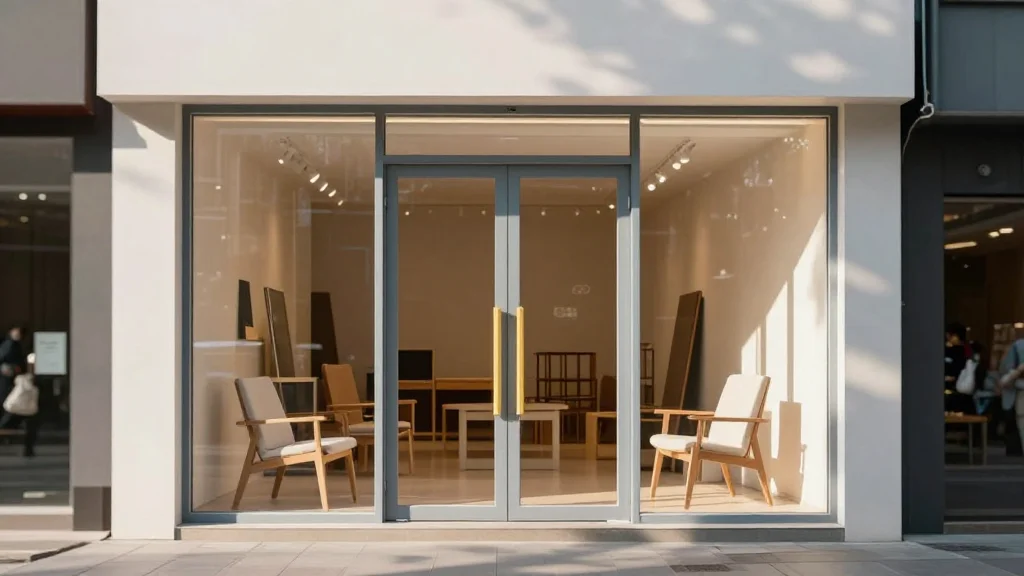
- •IKEA opened its first 1,500‑sq‑m small‑format store in eastern Beijing on April 30, 2026.
- •The store features 20 display areas aimed at young couples and families.
- •CEO Pontus Erntell called China a "very exciting" and strategic market across retail, value‑chain and development dimensions.
- •IKEA announced a global retail development centre for Ingka Group at the 7th China International Import Expo.
- •The company plans to roll out more small‑format stores and expand its innovation hub to deepen its Chinese footprint.
Pulse Analysis
IKEA’s small‑format rollout marks a calculated response to the saturation of large‑scale retail space in China’s megacities and the rising cost of prime real estate. By shrinking store footprints, IKEA can increase its store density, reach underserved urban districts, and lower overhead while maintaining brand visibility. This mirrors a broader trend among Western retailers—such as Zara and H&M—who are piloting compact, experience‑driven concepts to capture high‑frequency shoppers.
The establishment of a global development centre in China is equally strategic. China’s manufacturing ecosystem, coupled with its rapid adoption of AI‑driven design tools, offers IKEA a competitive edge in speed‑to‑market. If the centre successfully translates Chinese consumer insights into globally scalable products, IKEA could achieve a dual benefit: reinforcing its sustainability narrative with locally sourced, low‑carbon materials, and differentiating its catalogue from rivals that rely on a more centralized design approach.
However, the strategy carries risks. Small‑format stores generate lower per‑store revenue, demanding higher foot traffic and efficient inventory turnover. Success will hinge on IKEA’s ability to integrate its omnichannel platform, ensuring seamless online‑offline experiences that Chinese shoppers now expect. Moreover, geopolitical tensions and regulatory shifts could affect supply‑chain stability, testing IKEA’s resilience. The next 12‑month period—particularly the rollout of additional small‑format locations and the first wave of products from the development centre—will be a litmus test for whether IKEA can turn its strategic bets into sustainable growth in China’s fiercely competitive retail arena.
IKEA China CEO Pontus Erntell Calls China a Strategic Growth Market After Small-Format Store Launch
Comments
Want to join the conversation?
Loading comments...