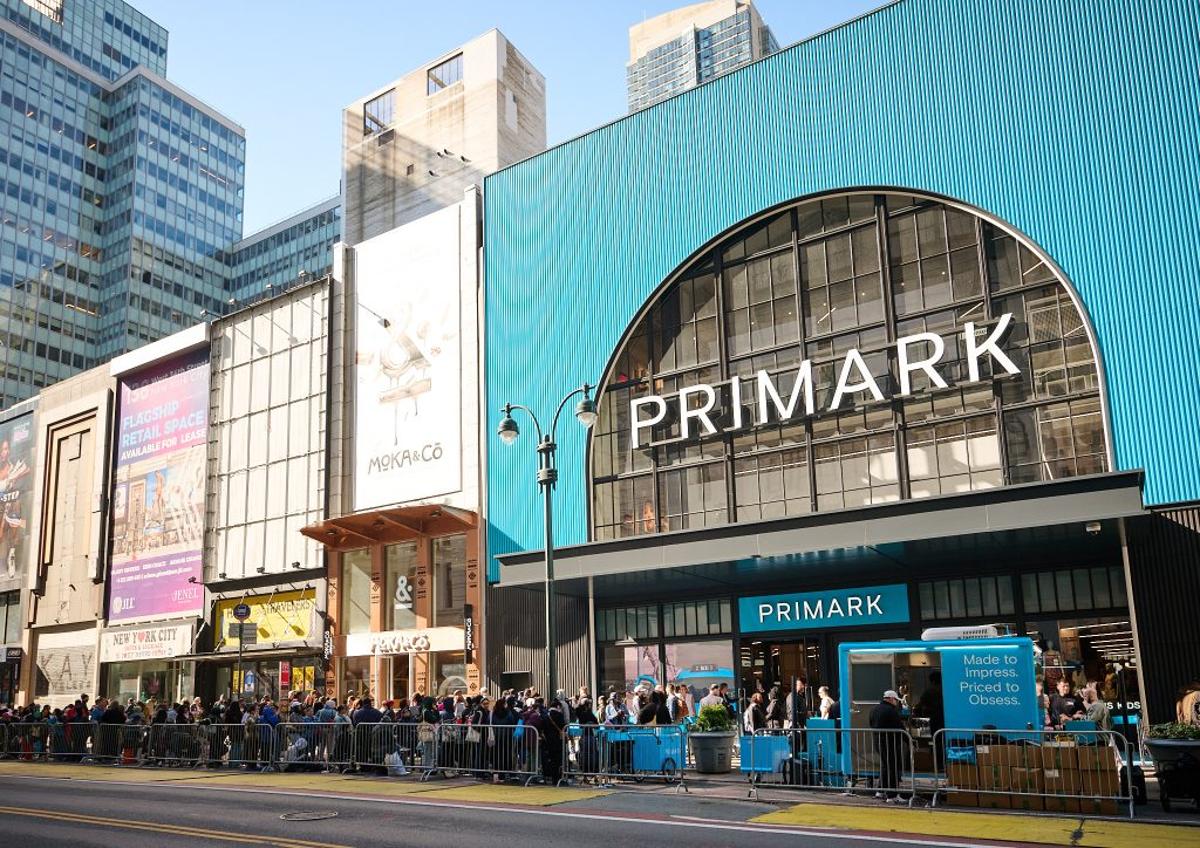
Is Primark About to Launch Ecommerce Due to Pressure From Shein and Temu?
Companies Mentioned
Why It Matters
A shift to ecommerce would overhaul Primark's ultra‑low‑price model, exposing it to new revenue streams and competitive pressure from ultra‑fast fashion platforms. The move also influences ABF's de‑merger valuation and could reshape the discount apparel landscape.
Key Takeaways
- •Primark eyed Asos warehouse to enable home delivery
- •Shein and Temu pressure low‑price retailers to go digital
- •Click‑and‑collect app launched in UK, Italy, Ireland
- •ABF plans Primark demerger, valuation could reach $17 bn
- •New CEO Eoin Tonge inherits digital transformation challenge
Pulse Analysis
Primark’s reluctance to sell online has long been a hallmark of its ultra‑low‑price strategy, allowing the Irish‑born retailer to keep margins thin while offering rock‑bottom prices. Yet the rapid ascent of Shein, Temu and TikTok Shop has reset consumer expectations around price, speed and convenience. By rolling out click‑and‑collect and a dedicated app across the UK, Italy and Ireland, Primark is testing the digital waters without fully committing to the costly logistics of home delivery. The failed acquisition of Asos’s Lichfield fulfilment centre—an £67.5 million (≈$86.4 million) automated hub—highlights the operational challenges of scaling ecommerce for a business built on high‑volume, low‑margin store traffic.
The strategic calculus is further complicated by Associated British Foods’ plan to spin off Primark by 2027. Analysts project a stand‑alone valuation between £10 billion and £13.4 billion (≈$12.8 billion‑$17.2 billion), a range that could expand if the retailer successfully integrates online sales. A digital channel would diversify revenue, improve data capture on shopper behaviour, and potentially attract a broader customer base beyond its traditional low‑income demographic. However, the capital outlay for fulfilment infrastructure, returns handling and technology platforms could strain the cost‑conscious model that underpins Primark’s brand promise.
If Primark proceeds with delivery, it would signal a broader industry pivot where even the most price‑sensitive players acknowledge the necessity of omnichannel presence. For consumers, this could mean access to Primark’s cheap apparel without a store visit, while competitors may feel pressure to further compress prices or accelerate logistics. Conversely, a decision to stay store‑only could reinforce Primark’s niche as a destination for bargain hunters who value the tactile shopping experience. Either path will shape the competitive dynamics of the discount fashion sector and inform how legacy retailers adapt to a digital‑first marketplace.
Is Primark about to launch ecommerce due to pressure from Shein and Temu?
Comments
Want to join the conversation?
Loading comments...