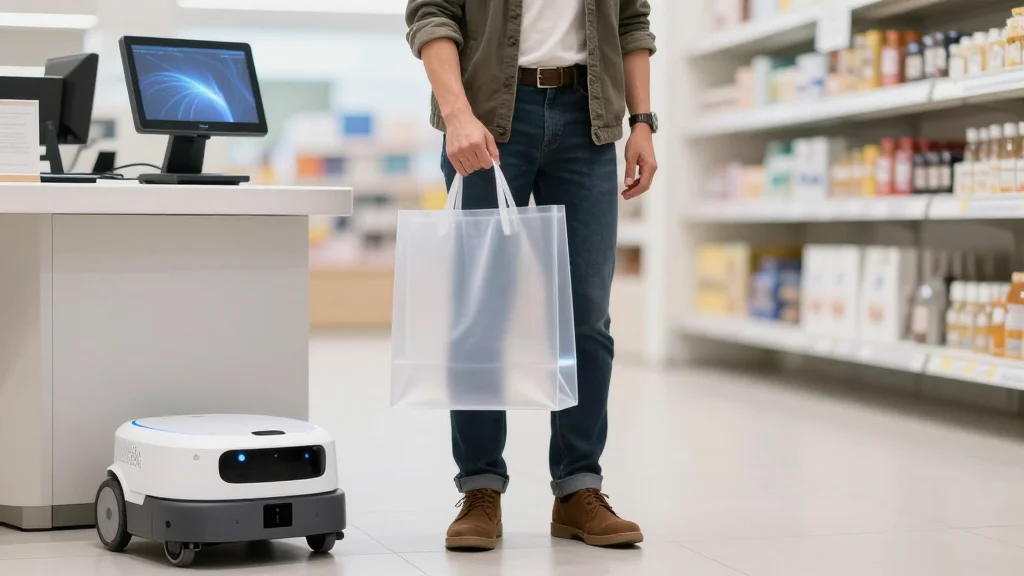
Kobe’s AI Platform and Visa/Mastercard Agents Redefine Brazil’s Retail Experience



Why It Matters
The convergence of AI‑driven personalization and autonomous checkout could compress the retail value chain, giving brands deeper insight into shopper intent while reducing friction at the point of sale. For Brazil, a market already leading Latin America in digital payments, these technologies may accelerate the migration from traditional web stores to immersive, AI‑mediated commerce experiences. If successful, the model could export to other emerging markets where mobile penetration and fintech ecosystems are similarly advanced, prompting global retailers to rethink investment in proprietary AI platforms versus partnering with local innovators like Kobe. Moreover, the rise of autonomous agents raises questions about data governance, fraud risk, and the future role of human customer service agents.
Key Takeaways
- •Kobe launched Nodo, an AI platform that personalizes shopping in real time within brand‑owned apps and e‑commerce sites.
- •Visa completed its first fully autonomous AI‑agent purchase in Brazil using Banco do Brasil cards.
- •Mastercard followed with live AI‑agent transactions using Itaú Unibanco and Santander cards.
- •McKinsey projects autonomous shopping agents could handle $5 trillion globally by 2030, with Brazil a key early market.
- •Nodo integrates with VTEX and Shopify, with upcoming voice capabilities and CDP/CRM connectors slated for late 2026.
Pulse Analysis
Brazil’s retail sector is entering a tipping point where AI moves from recommendation to execution. Kobe’s Nodo demonstrates that brands can retain data sovereignty while delivering hyper‑personalized experiences, a critical advantage in a market wary of data leakage to foreign platforms. The platform’s modular architecture—supporting VTEX, Shopify, and soon voice interfaces—positions it as a versatile layer that can be layered onto existing tech stacks without massive re‑engineering.
Simultaneously, the payment‑network pilots by Visa and Mastercard illustrate a complementary frontier: the automation of the final purchase decision. By embedding AI agents within the card‑issuance ecosystem, the networks can offer merchants a frictionless checkout that bypasses traditional cart abandonment points. However, scaling this model will hinge on robust authentication, tokenization, and consumer consent frameworks. The rapid succession of pilots suggests a competitive race, but also a collaborative opportunity for banks, fintechs, and retailers to co‑create standards that balance speed with security.
Looking ahead, the real test will be consumer adoption. Early data from Kobe’s pilots indicate modest conversion lifts, but broader acceptance will depend on trust in autonomous agents to act in the shopper’s best interest. If Brazilian consumers embrace the convenience, the country could become a showcase for global retailers seeking to roll out AI‑driven commerce at scale, prompting a wave of investment in similar platforms across Latin America and beyond.
Kobe’s AI Platform and Visa/Mastercard Agents Redefine Brazil’s Retail Experience
Comments
Want to join the conversation?
Loading comments...