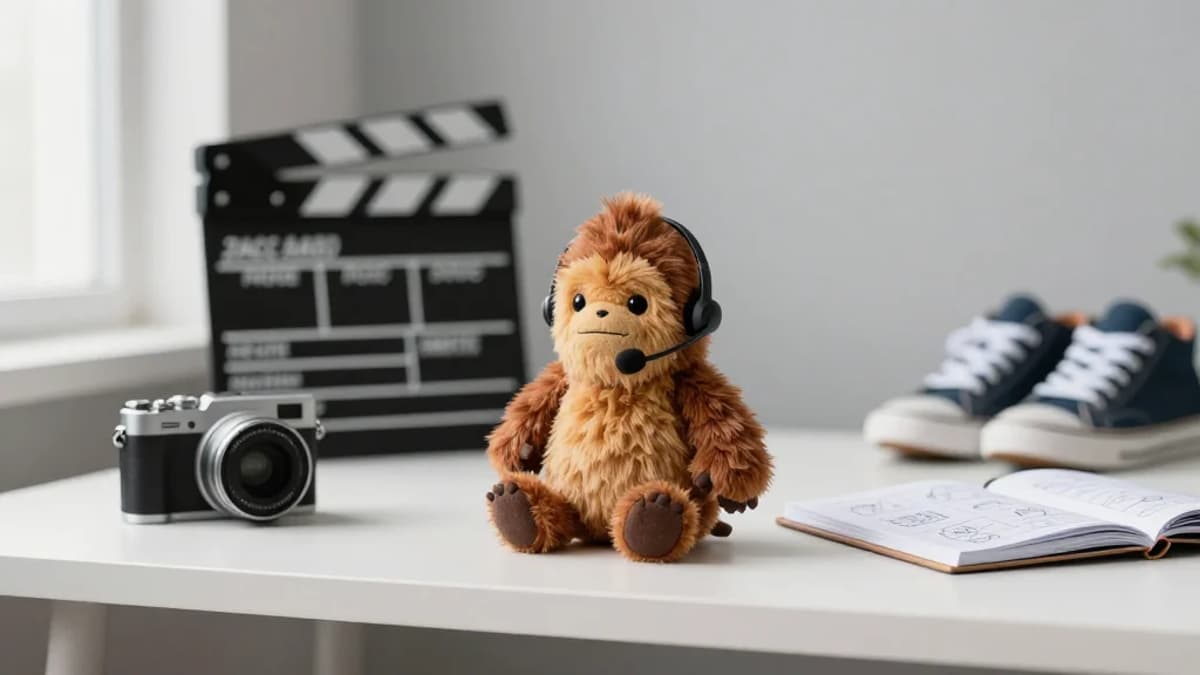
Meet Yeti Boo, the AI Bigfoot Helping KANE Footwear Rethink Influencer Marketing
•March 3, 2026
0
Why It Matters
AI mascots give brands the viral reach of influencer content while retaining creative control, reshaping how companies approach digital marketing and sponsorships.
Key Takeaways
- •Yeti Boo amassed 439k TikTok followers quickly
- •KANE signed Yeti Boo as “AI athlete” sponsor
- •DreamCell AI produces brand videos using AI-generated characters
- •Human creators still direct scripts, pacing, and tone
- •AI mascots offer controllable, cost‑effective influencer content
Pulse Analysis
The rise of synthetic creators like Yeti Boo signals a new frontier in influencer marketing. Built on hyper‑realistic AI models, these digital mascots can amass massive followings without the logistical constraints of human talent. DreamCell AI leveraged Yeti Boo’s rapid TikTok growth to launch a dedicated content studio, offering brands a ready‑made personality that can be customized for campaigns. This model reduces onboarding time and provides a consistent brand voice, making AI influencers attractive to companies seeking scalable, data‑driven outreach.
KANE Footwear’s partnership illustrates how AI mascots complement, rather than replace, traditional storytelling. The brand paired serious product‑centric videos with Yeti Boo’s whimsical wilderness clips, creating a dual‑layered narrative that kept audiences engaged while delivering key product benefits. By treating the AI character as a sponsored athlete, KANE retained control over messaging, tone, and visual style, sidestepping the unpredictability often associated with human creators. The result was a cost‑effective campaign that blended authenticity with brand‑specific humor, expanding reach without sacrificing clarity.
Looking ahead, the industry is likely to see more collaborations where human strategists and AI tools co‑author content. While AI can automate rendering and generate lifelike motion, the creative decisions—scriptwriting, pacing, and brand alignment—remain human‑driven. This hybrid approach mitigates fears of job displacement while unlocking new efficiencies. As AI generation tools mature, brands will need to navigate ethical considerations around transparency and audience perception, ensuring that synthetic influencers enhance, rather than obscure, genuine brand narratives.
Meet Yeti Boo, the AI Bigfoot Helping KANE Footwear Rethink Influencer Marketing
0
Comments
Want to join the conversation?
Loading comments...