Mother’s Day Is Going to Cost You More This Year. Here Are the Areas with the Biggest Price Hikes
Companies Mentioned

Why It Matters
Higher gift and dining costs squeeze household budgets while retailers and restaurants see revenue gains, highlighting a paradox of rising consumer spending amid financial anxiety. The trend signals how inflation is reshaping discretionary holiday spending patterns.
Key Takeaways
- •Mother’s Day average gift bundle costs $543, up 6% YoY.
- •Restaurant meals add $67, a 4% price increase.
- •NRF forecasts record $38 billion Mother’s Day spending.
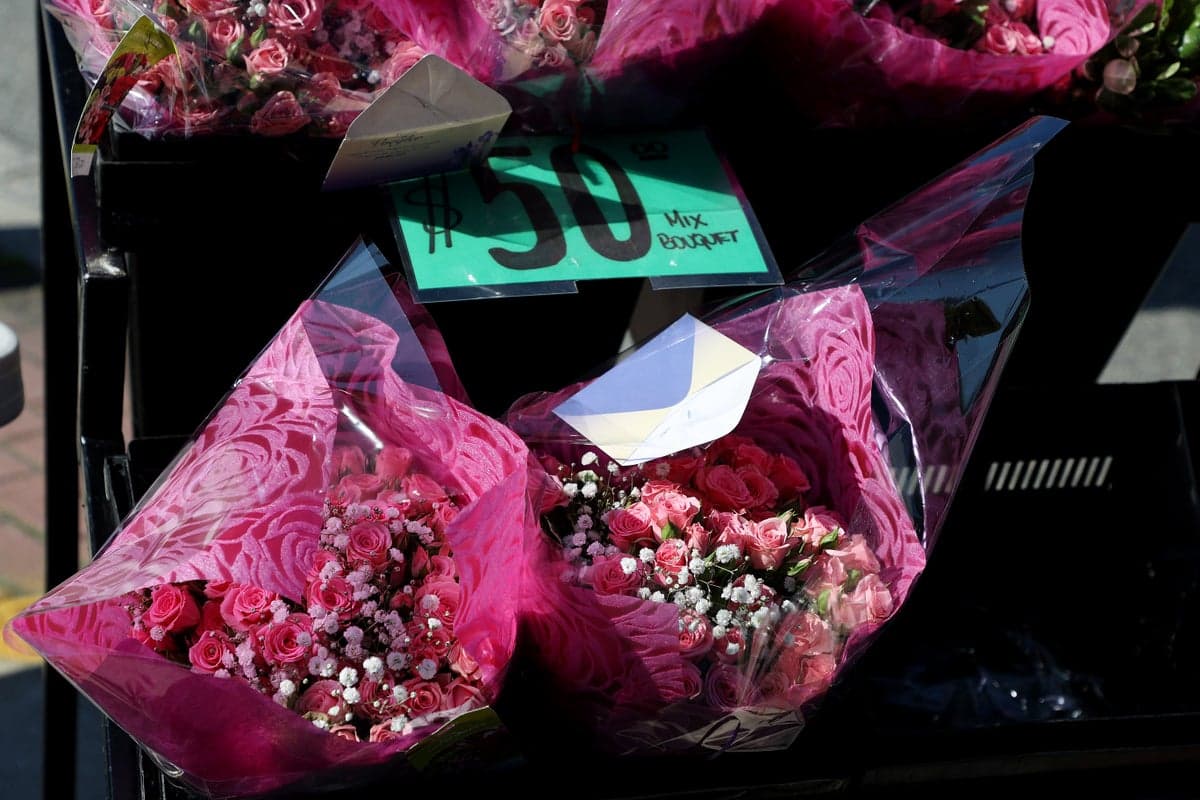
- •Flowers, jewelry, chocolate prices rose over 7% last year.
- •55% of Americans say finances are worsening, Gallup reports.
Pulse Analysis
The surge in Mother’s Day expenditures reflects a broader shift in consumer behavior as inflation erodes purchasing power. While the average gift basket now tops $540, the increase is modest compared with the 7% jump in categories like flowers and jewelry, suggesting shoppers are still prioritizing traditional symbols of appreciation. Analysts point to the Consumer Price Index’s 0.9% monthly rise and a 3.3% annual inflation rate as key drivers, forcing families to allocate a larger slice of their budgets to a single holiday.
Retailers are capitalizing on the heightened willingness to spend, with the National Retail Federation forecasting a record $38 billion in total holiday sales. This uptick benefits florists, jewelers and specialty confectioners, yet it also masks underlying cost pressures. Labor shortages in the restaurant sector have pushed menu prices up 4%, as establishments compete for staff and pass higher wages onto diners. The incremental $67 added to a typical restaurant bill may seem small, but it compounds the overall expense for families already navigating tighter finances.
The financial backdrop is less optimistic. A Gallup poll reveals that 55% of Americans feel their economic situation is deteriorating, echoing sentiment from the Great Recession era. Persistent inflation, especially in energy and core goods, limits discretionary spending power, even as holiday sales climb. Businesses that can balance price increases with value—such as offering bundled promotions or loyalty incentives—are likely to retain customers, while those relying solely on price hikes risk alienating a financially strained consumer base.
Mother’s Day is going to cost you more this year. Here are the areas with the biggest price hikes
Comments
Want to join the conversation?
Loading comments...