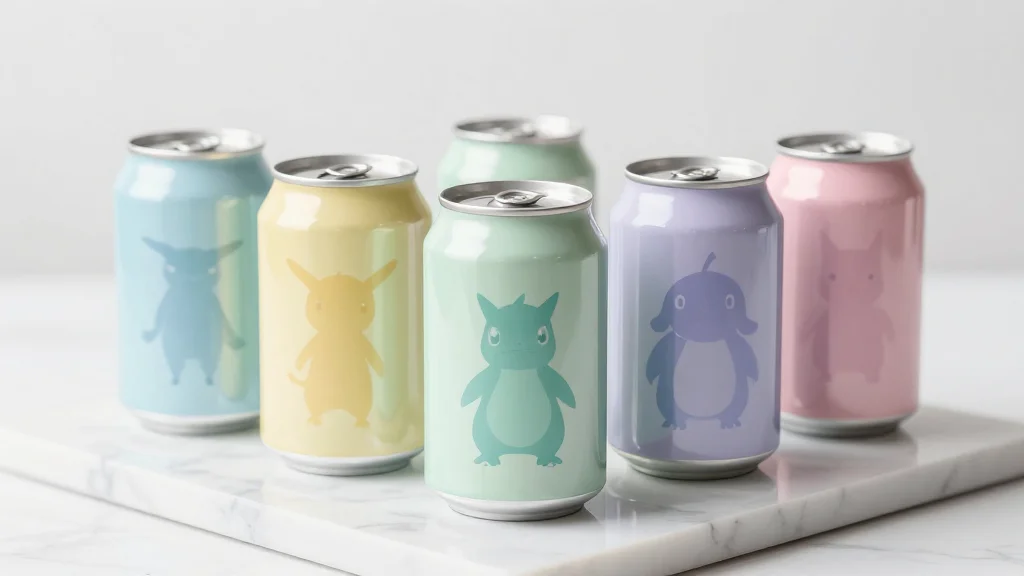
Pepsi Rolls Out Five Limited‑edition Pokémon‑themed Soda Flavors in Japan

Companies Mentioned
Why It Matters
The Pokémon soda launch illustrates how legacy beverage companies are adapting to a market where traditional carbonated drinks are losing ground to energy and functional beverages. By leveraging a globally recognized pop‑culture franchise, PepsiCo seeks to create urgency and collectibility that can spur short‑term sales spikes and re‑engage younger demographics. Success could validate LTOs as a viable counter‑measure to declining market share, prompting rivals to pursue similar collaborations. Moreover, the initiative highlights the growing importance of cross‑border product strategies. Although the flavors debut in Japan, the targeted import channels into the U.S. signal a willingness to experiment with niche distribution models that bypass conventional retail pipelines. If the approach proves profitable, it may encourage other brands to test limited releases in foreign markets before scaling domestically, reshaping how new products are introduced in the retail ecosystem.
Key Takeaways
- •PepsiCo partners with Pokémon for five limited‑edition soda flavors, featuring 18 exclusive bottle designs.
- •The line celebrates Pokémon’s 30th anniversary and is distributed by Japan’s Suntory.
- •Pepsi’s U.S. carbonated‑soft‑drink share sits at roughly 7.97%, down from market leader Coca‑Cola’s 19.2%.
- •Energy‑drink sales rose 10% YoY to over $16 billion, pressuring traditional soda brands.
- •PepsiCo reported a 9% increase in North American beverage sales in Q1 2026, partly driven by LTOs.
Pulse Analysis
PepsiCo’s Pokémon collaboration is more than a gimmick; it’s a strategic response to a fragmented beverage landscape where shelf space is increasingly contested by high‑growth categories like energy drinks and functional waters. By embedding a cultural touchstone into its product DNA, PepsiCo creates a narrative that transcends taste, turning a soda purchase into a collectible experience. This aligns with a broader industry shift toward experiential retail, where brands aim to generate buzz that translates into both immediate sales and longer‑term brand equity.
Historically, limited‑time offers have delivered modest lift for soda giants, but the integration of a franchise with a built‑in fan base amplifies that effect. The scarcity model—limited production runs, exclusive artwork, and premium pricing for imports—drives urgency, a tactic that can be especially effective among Millennials and Gen Z who value novelty and social‑media shareability. If the Pokémon line proves popular, PepsiCo may replicate the formula with other IPs, turning LTOs into a recurring revenue engine rather than a seasonal boost.
Looking ahead, the key question is scalability. While the current rollout is Japan‑centric with niche U.S. availability, a full‑scale U.S. launch could test the limits of the scarcity model. Over‑saturation risks diluting the collectible appeal, yet broader distribution could unlock significant volume growth. PepsiCo’s ability to balance exclusivity with accessibility will determine whether this partnership merely garners headlines or reshapes its competitive posture in the soft‑drink arena.
Pepsi rolls out five limited‑edition Pokémon‑themed soda flavors in Japan
Comments
Want to join the conversation?
Loading comments...