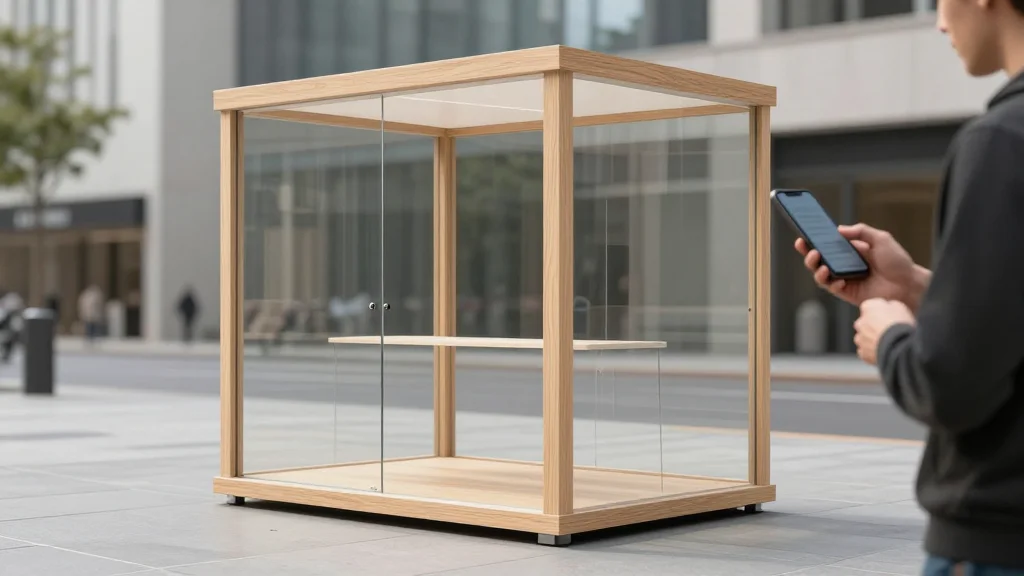
Pop‑up Stores Become Core Infrastructure in the Retail Economy

Why It Matters
The re‑classification of pop‑up stores as core infrastructure signals a fundamental shift in retail strategy, moving away from static, long‑term store formats toward agile, experience‑focused touchpoints. This evolution could reshape commercial real‑estate demand, prompting landlords to allocate more space for short‑term leases and encouraging retailers to invest in rapid‑deployment logistics. Moreover, the ability to convert online interest into physical engagement addresses a persistent challenge for e‑commerce‑centric brands, potentially boosting conversion rates and customer loyalty. If the trend accelerates, it may also influence capital allocation decisions, with investors scrutinising the financial performance of flexible retail assets. The lack of disclosed metrics in the source article highlights a data gap that could become a focal point for future research and reporting, as stakeholders seek to quantify the economic impact of pop‑ups on the broader retail ecosystem.
Key Takeaways
- •Pop‑up stores have shifted from short‑term tactics to essential tools for converting online attention, per Green Street News.
- •The trend was highlighted in a May 18, 2026 article by Rebeca Guzmán Vidal in London.
- •Retailers are using pop‑ups to bridge digital traffic with physical engagement, though specific numbers were not disclosed.
- •The shift may reshape commercial real‑estate demand for short‑term leases.
- •Details on financial impact or scale of adoption were not provided in the source.
Pulse Analysis
The emergence of pop‑up stores as a strategic pillar reflects a broader convergence of digital and physical retail channels. Historically, pop‑ups were viewed as gimmicks—seasonal kiosks or brand‑awareness stunts. The current narrative, however, positions them as a systematic response to the friction between online browsing and offline purchase. By creating a physical foothold where digital interest peaks, brands can capture high‑intent shoppers who might otherwise abandon their carts.
From a competitive standpoint, this shift levels the playing field for smaller brands that lack the capital to sustain permanent storefronts. The low‑overhead, high‑visibility nature of pop‑ups enables rapid market testing and localized brand experiences, potentially accelerating innovation cycles. Larger incumbents, meanwhile, must re‑engineer their real‑estate portfolios to accommodate flexible space, a move that could unlock underutilised assets in premium locations.
Looking forward, the sustainability of pop‑ups as core infrastructure will hinge on data integration. Retailers that can overlay foot‑traffic analytics, sales conversion rates, and inventory turnover onto pop‑up performance will be better positioned to justify continued investment. Investors are likely to demand transparent metrics, pushing the industry toward standardized reporting. Until such data becomes commonplace, the true economic weight of the pop‑up revolution will remain an open question, but the strategic intent is unmistakable: blend the immediacy of physical retail with the reach of digital commerce.
Pop‑up stores become core infrastructure in the retail economy
Comments
Want to join the conversation?
Loading comments...