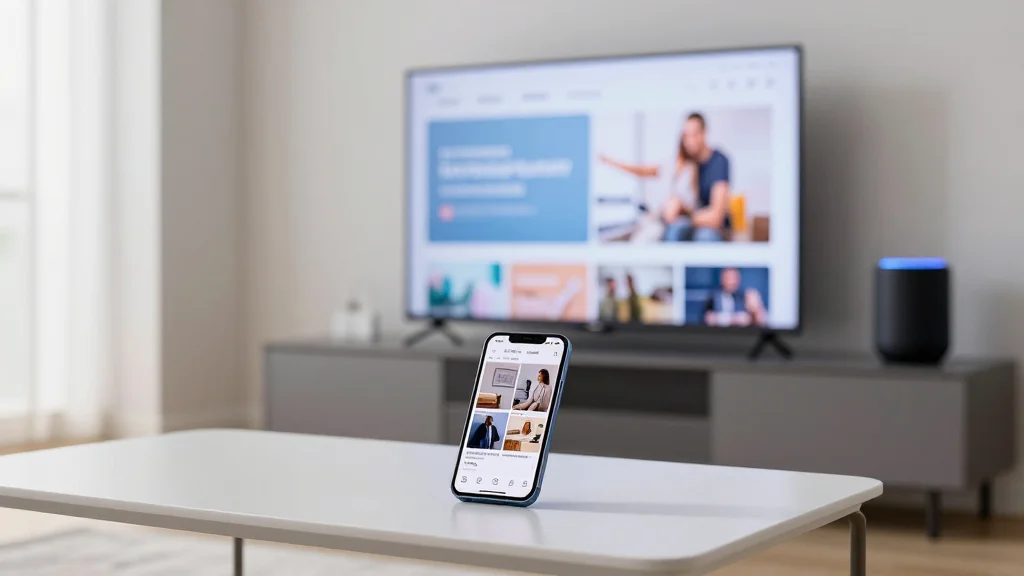
Retail Embeds Shopping in Social Feeds, TV Screens and AI Search

Why It Matters
The migration of commerce onto social feeds, TV screens and AI search platforms expands the retail battlefield beyond websites and physical stores. By meeting shoppers in the environments where they already spend time, retailers can capture impulse purchases, gather richer behavioral data, and build more personalized brand experiences. However, the shift also raises questions about data privacy, platform dependency, and the need for new measurement frameworks, all of which will shape competitive dynamics in the retail sector. For consumers, the integration promises a frictionless path from discovery to purchase, potentially shortening decision cycles and reducing the effort required to buy. For brands, success will hinge on mastering the balance between seamless checkout experiences and maintaining control over the customer relationship across a fragmented digital ecosystem.
Key Takeaways
- •Retailers are embedding shopping options in social media feeds, TV screens and AI answer engines.
- •Platforms like Instagram, TikTok and YouTube now support in‑feed purchase buttons.
- •TV viewers can click product overlays while streaming, turning passive watching into buying.
- •AI search tools are beginning to surface purchasable items alongside informational answers.
- •The trend signals a new omnichannel frontier, expanding retail beyond traditional e‑commerce sites.
Pulse Analysis
The move to embed commerce across social, TV and AI search reflects a broader industry pivot toward "shopping wherever the consumer is" rather than "driving the consumer to a store." Historically, retailers have relied on a funnel that began with awareness on media channels, funneled traffic to a website, and culminated in a purchase. The current wave collapses that funnel, allowing conversion to happen at the point of engagement. This reduces friction but also dilutes brand ownership of the checkout experience, handing more control to platform operators.
From a competitive standpoint, early adopters who can integrate inventory, pricing and fulfillment systems with these new touchpoints will likely enjoy a first‑mover advantage. However, the lack of standardized data protocols across platforms could create silos, making it harder for retailers to achieve a unified view of the customer. Companies that invest in middleware or partner with technology providers that specialize in cross‑channel orchestration will be better positioned to extract actionable insights.
Looking forward, the success of this omnichannel expansion will depend on consumer trust. As shopping becomes more embedded, data‑privacy concerns will intensify, potentially prompting stricter regulations. Retailers that prioritize transparent data practices and offer seamless, secure checkout experiences will differentiate themselves in a crowded, platform‑driven marketplace. The next wave may see AI‑powered personalization engines that not only recommend products but also negotiate pricing in real time, further blurring the line between content and commerce.
Retail Embeds Shopping in Social Feeds, TV Screens and AI Search
Comments
Want to join the conversation?
Loading comments...