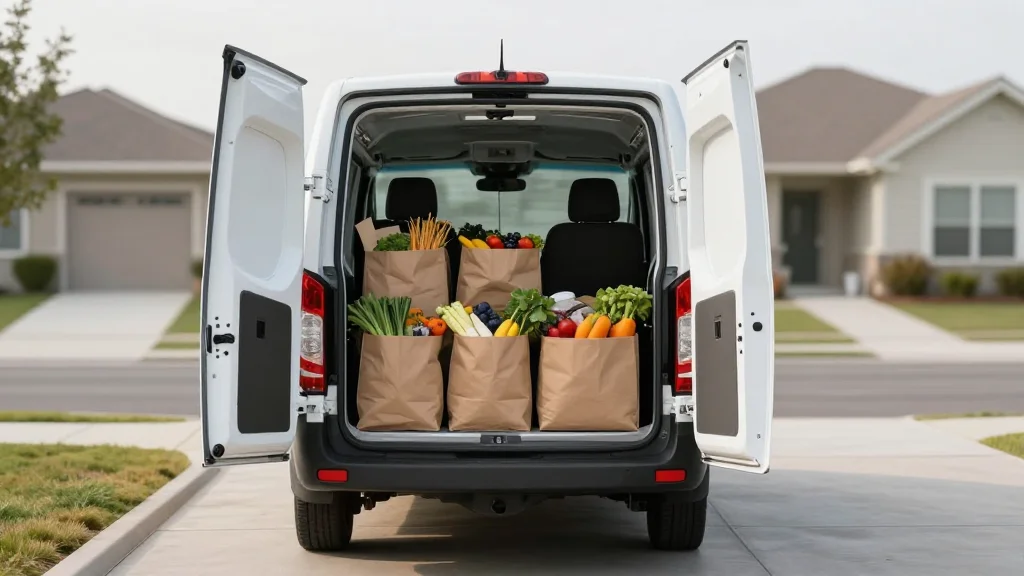
Rising Gas Prices Push Shoppers to Amazon’s Fast‑Delivery Grocery Services

Companies Mentioned
Why It Matters
Higher fuel costs are reshaping consumer shopping habits, accelerating the migration from in‑store purchases to online platforms that promise convenience and lower transportation expenses. Amazon’s expanding ultra‑fast delivery infrastructure positions it to dominate grocery spend, a category traditionally held by physical retailers. If the trend persists, it could compress margins for brick‑and‑mortar chains, force price wars, and accelerate consolidation in the grocery sector. The shift also highlights the strategic importance of logistics as a competitive moat. Companies that can deliver a wide assortment within minutes can command higher basket values and loyalty, potentially redefining the economics of e‑commerce versus traditional retail.
Key Takeaways
- •National average regular gas price reached $4.43 per gallon, up from $3.16 a year ago.
- •Foot‑traffic to discretionary retailers fell year‑over‑year for four consecutive weeks as of May 11.
- •Amazon rolled out one‑hour and three‑hour delivery for >90,000 products in March and expanded 30‑minute “Amazon Now” in May.
- •Andy Jassy said same‑day perishables shoppers add nearly three times as many items and spend over 80 % more.
- •Analyst Sky Canaves links higher gas prices to increased e‑commerce demand for grocery essentials.
Pulse Analysis
The current fuel price spike is acting as a catalyst for a longer‑running transition toward digital grocery. Amazon’s investment in ultra‑fast delivery is not merely a service upgrade; it is a strategic lever to increase basket size and frequency. By reducing the friction of a physical trip, Amazon captures incremental spend that would otherwise be split among multiple store visits. This model also creates data feedback loops that refine inventory placement and routing efficiency, further lowering costs.
Competitors face a dilemma. Traditional grocers can lower prices only by sacrificing margins, while they lack the dense fulfillment network Amazon has built. Walmart’s warning about potential price hikes signals that the competitive pressure is already being felt. The next inflection point will be whether Amazon can sustain its aggressive delivery promises without eroding profitability, especially as labor and transportation costs rise.
If Amazon’s fast‑delivery model proves resilient, we may see a redefinition of grocery as a service rather than a product category. Retailers will need to invest heavily in last‑mile capabilities or partner with third‑party logistics firms to stay relevant. The gas price surge merely accelerates a shift that could become permanent, reshaping the retail landscape for years to come.
Rising Gas Prices Push Shoppers to Amazon’s Fast‑Delivery Grocery Services
Comments
Want to join the conversation?
Loading comments...