Spain's Bizum Heads to the High Street to Take on Visa and Mastercard
Companies Mentioned
Why It Matters
By eliminating US‑based card schemes, Bizum offers Spanish merchants lower transaction costs and real‑time settlement, reshaping the domestic payments landscape and challenging the global dominance of Visa and Mastercard.
Key Takeaways
- •Bizum has 30 million users, covering most Spanish adults.
- •111 000 merchants already integrated with Bizum’s digital platform.
- •Bizum processes 3.4 million instant transfers daily (2025 data).
- •In‑store rollout aims for 25‑35% payment share within 2‑3 years.
- •Merchant fees drop to 0.2‑2% versus higher card network rates.
Pulse Analysis
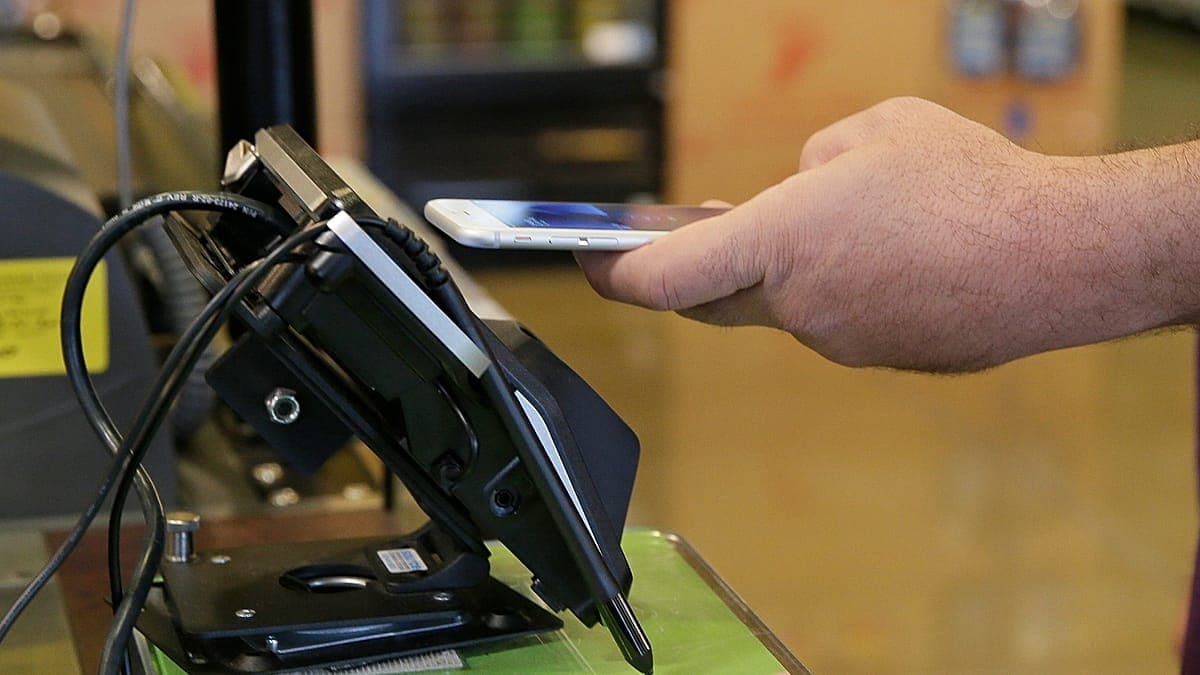
Bizum’s transition from a purely digital wallet to a point‑of‑sale solution marks a pivotal shift in European payments. Leveraging NFC technology, the service routes funds directly between customers’ bank accounts and merchants, sidestepping the traditional card‑network intermediaries that charge interchange fees and hold transaction data on transatlantic servers. This technical overhaul not only reduces costs but also enhances data sovereignty, a growing concern for regulators and consumers alike.
For merchants, the financial incentive is clear. Card‑network fees typically range from 0.2% to 2% per transaction, while Bizum promises near‑zero markup and instant settlement, improving cash flow and profitability. Early adopters such as CaixaBank, Sabadell and Bankinter anticipate higher conversion rates, especially as Bizum already dominates online payments in Spain with over 100 million transactions in 2025. The in‑store rollout could therefore accelerate the migration of micro‑payments and everyday purchases away from legacy cards, forcing Visa and Mastercard to double down on loyalty programs and credit offerings to retain high‑value spenders.
Beyond Spain, Bizum’s success is fueling the European Payments Initiative (EPI), positioning the platform as a blueprint for a unified continental payment rail. If the model scales, it could diminish reliance on US‑based networks across the EU, offering a home‑grown alternative that aligns with the EU’s strategic goal of financial independence. Competitors like Stripe, Adyen and PayPal may face pressure to lower fees or integrate Bizum‑compatible solutions, while regulators will watch closely to ensure competition remains robust. The coming months will test whether Bizum can sustain its momentum and reshape the broader payments ecosystem.
Spain's Bizum heads to the high street to take on Visa and Mastercard
Comments
Want to join the conversation?
Loading comments...