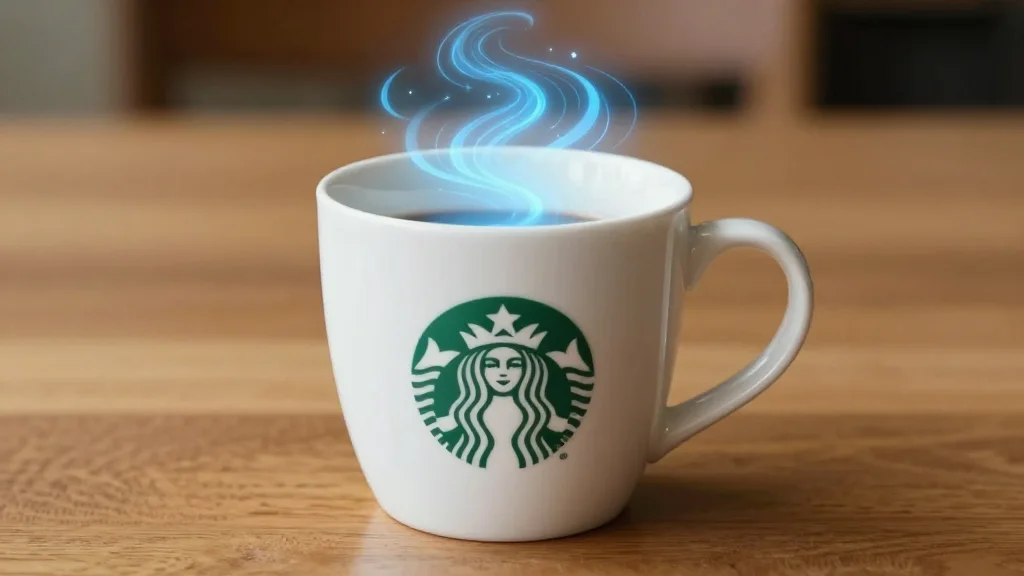
Starbucks Debuts ChatGPT Beta App to Personalize Drink Orders


Why It Matters
The ChatGPT beta positions Starbucks at the forefront of AI‑enabled retail experiences, signaling that conversational interfaces can move beyond customer service into proactive sales assistance. By integrating generative AI with its loyalty ecosystem, Starbucks aims to deepen brand attachment and capture higher spend from a tech‑savvy audience. If the experiment proves successful, it could accelerate adoption of similar AI tools across the broader retail sector, prompting merchants to rethink how discovery, recommendation, and checkout are sequenced. The approach also raises questions about data ownership, model bias, and the balance between convenience and privacy—issues that regulators and industry groups will likely scrutinize as AI becomes more embedded in everyday commerce.
Key Takeaways
- •Starbucks beta app launched within ChatGPT, accessible via "@Starbucks" command.
- •AI suggests personalized drink options; checkout remains in the native Starbucks app.
- •Feature supports Starbucks' "Back to Starbucks" strategy targeting Gen Z customers.
- •Beta limited to U.S. market; full rollout expected later in 2026 pending adoption metrics.
- •Potential industry ripple effect as retailers explore AI‑driven recommendation engines.
Pulse Analysis
Starbucks’ decision to embed a generative‑AI assistant inside ChatGPT reflects a strategic bet on conversational commerce. The coffee giant avoids the heavy lift of building its own large‑language model, instead leveraging OpenAI’s platform to tap into a user base already familiar with AI chat. This partnership reduces time‑to‑market and aligns with a broader retail shift toward AI‑augmented discovery, where the friction of browsing is replaced by instant, context‑aware suggestions.
Historically, retail innovations that simplify the decision‑making process—such as barcode scanning or mobile coupons—have driven incremental sales lifts. AI recommendation engines promise a larger impact by not only surfacing relevant products but also creating novel combinations that customers may not have considered. For Starbucks, the ability to suggest a seasonal latte paired with a complementary pastry could boost average ticket size and reinforce the perception of a curated, premium experience.
However, the rollout also surfaces operational challenges. Maintaining data integrity across the ChatGPT interface and the Starbucks loyalty system requires robust integration, especially as the company plans to eventually incorporate payment processing. Moreover, the beta’s reliance on a third‑party platform introduces regulatory considerations around data privacy and consumer consent. Competitors will likely monitor Starbucks’ engagement metrics closely; a successful lift in Gen Z usage could trigger a wave of AI‑first ordering solutions across fast‑food chains, convenience stores, and even brick‑and‑mortar apparel retailers. The next few quarters will reveal whether conversational AI can transition from novelty to a core revenue driver in the retail ecosystem.
Starbucks Debuts ChatGPT Beta App to Personalize Drink Orders
Comments
Want to join the conversation?
Loading comments...