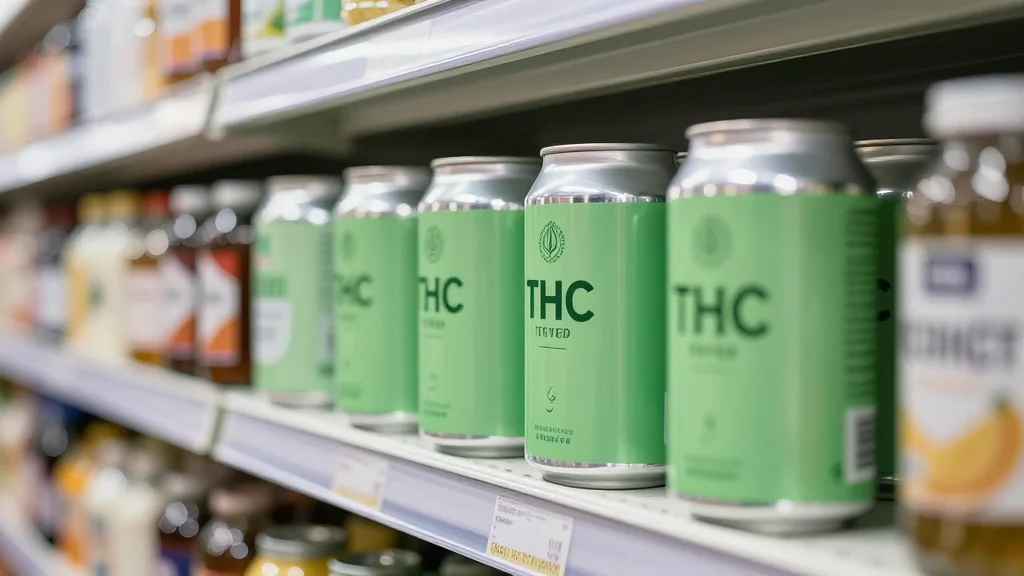
Target Expands Low‑Potency THC Drinks to 300+ Stores in Florida, Texas and Illinois

Companies Mentioned
Why It Matters
Target’s foray into THC‑infused drinks illustrates how large retailers are leveraging emerging cannabis markets to offset stagnant growth in traditional categories. By entering a $28 billion industry at a low‑potency tier, Target can attract younger, experience‑seeking shoppers while mitigating regulatory risk. The move also tests the viability of national distribution for cannabis‑adjacent products, a question that could reshape supply‑chain dynamics across the retail sector. If the pilot proves profitable, other big‑box chains may follow, accelerating mainstream acceptance of hemp‑derived THC and prompting further legislative adjustments. Conversely, a misstep could reinforce the caution many retailers exercise around cannabis, highlighting the delicate balance between innovation and brand perception in a politically polarized market.
Key Takeaways
- •Target expands low‑potency THC drinks to >300 stores in FL, TX, IL
- •Each beverage contains 5 mg of THC and is sold to guests 21+ in liquor sections
- •Pilot in Minnesota secured 72 new licenses after October 2025 launch
- •Survey shows 50.5% of cannabis users more likely to shop at Target
- •Expansion occurs amid a $28 billion hemp industry reshaped by 2025 federal law
Pulse Analysis
Target’s calculated entry into the THC beverage space reflects a broader shift among legacy retailers toward niche, high‑margin categories that can rejuvenate traffic. The company’s low‑dose strategy mirrors the success of craft‑beer and hard‑seltzer rollouts, where novelty and limited‑time offers drove incremental spend without cannibalizing core merchandise. By positioning the drinks within existing liquor sections, Target leverages its established alcohol compliance infrastructure, sidestepping the need for dedicated cannabis storefronts.
The regulatory backdrop adds a layer of complexity. The 2025 federal amendment, while loosening some hemp constraints, still leaves licensing authority with states and municipalities, creating a patchwork of permissible markets. Target’s selective rollout to municipalities that already allow THC beverages minimizes legal exposure but also caps the addressable market. Should the pilot generate strong per‑store sales, the retailer may lobby for broader state‑level approvals, potentially accelerating a national rollout.
From a competitive standpoint, Target’s move puts pressure on rivals like Walmart and Costco, which have so far stayed out of the THC arena. If Target can demonstrate that THC drinks drive measurable lift in basket size and store visits, it could force a wave of similar experiments, reshaping the retail cannabis landscape. However, the brand must balance this upside against the risk of alienating more conservative shoppers, especially in swing states where political sentiment can directly impact sales. The coming months will reveal whether Target’s gamble pays off or becomes a cautionary tale for big‑box experimentation in regulated categories.
Target Expands Low‑Potency THC Drinks to 300+ Stores in Florida, Texas and Illinois
Comments
Want to join the conversation?
Loading comments...