Target Rolls Out 200 Baby Boutiques to Challenge Walmart and Amazon

Companies Mentioned
Why It Matters
Target’s baby boutique rollout targets a demographic that spends disproportionately on retail, offering a lever to reverse a three‑year sales decline. By differentiating the in‑store experience, Target hopes to compete on more than price, a strategy that could reshape how big‑box retailers attract high‑margin shoppers. The move also intensifies the battle for the baby market, a segment where Walmart leverages scale and Amazon leans on convenience. If Target can translate boutique traffic into higher basket values, it may set a template for experiential retail that other chains could emulate, potentially reshaping category competition across the industry.
Key Takeaways
- •Target opened baby boutiques in ~200 stores, about 10% of its footprint.
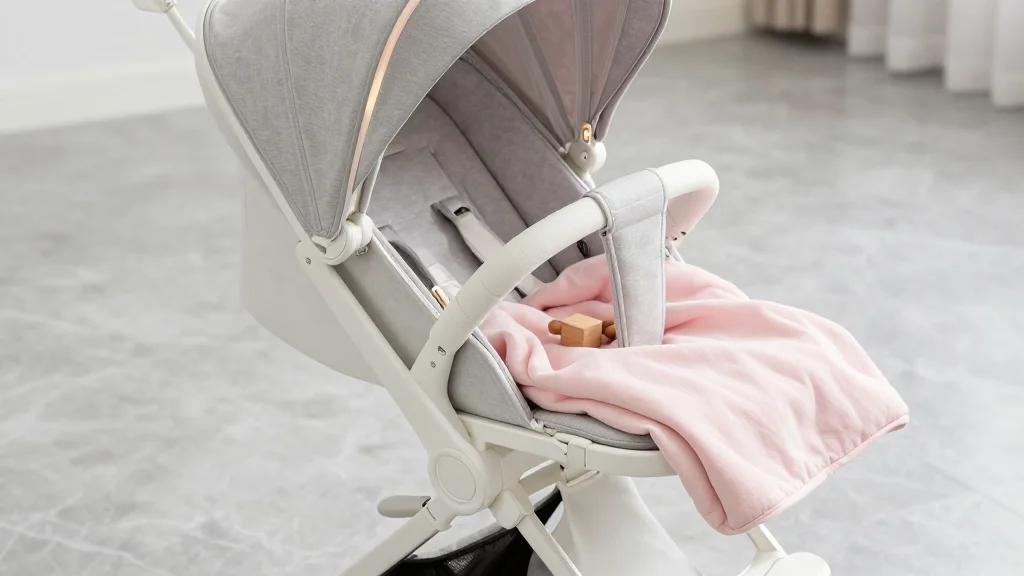
- •Boutiques feature 2,000 new baby items, including premium UPPAbaby strollers priced at $1,000.
- •Chief Merchandising Officer Cara Sylvester highlighted families with children under five spend twice as much as average shoppers.
- •Target aims for 2% net‑sales growth YoY and will report Q1 results on May 20.
- •Morgan Stanley analyst Simeon Gutman cautioned Target’s position is weaker than rivals amid higher gas prices and a K‑shaped economy.
Pulse Analysis
Target’s decision to embed high‑touch baby boutiques within its existing footprint reflects a strategic pivot toward experiential retail, a trend gaining traction as brick‑and‑mortar stores seek relevance against e‑commerce giants. By allowing parents to physically test high‑priced items like the $1,000 UPPAbaby stroller, Target creates a frictionless path from discovery to purchase that Amazon cannot easily replicate. This approach leverages the retailer’s existing real‑estate while targeting a high‑spending segment, potentially boosting average transaction values and cross‑selling opportunities.
Historically, big‑box chains have struggled to differentiate on experience; Walmart’s low‑price model and Amazon’s convenience dominate. Target’s boutique model could carve out a middle ground—offering curated, premium selections that justify a higher price point and foster brand loyalty. If successful, the initiative may prompt competitors to launch similar specialty zones, accelerating a shift toward hybrid store formats that blend discount fundamentals with boutique‑style experiences.
However, the rollout arrives amid headwinds: a looming teachers’ union boycott, volatile gas prices, and a polarized consumer base. The boutique concept must not only attract foot traffic but also convert it into sustained sales growth across the broader store. Analysts will scrutinize same‑store sales, basket composition, and repeat visitation rates post‑launch. Should Target meet its 2% net‑sales growth target, the baby boutiques could be hailed as a catalyst for a broader retail renaissance; failure would reinforce the challenges of reviving growth in a highly competitive, price‑sensitive market.
Target rolls out 200 baby boutiques to challenge Walmart and Amazon
Comments
Want to join the conversation?
Loading comments...