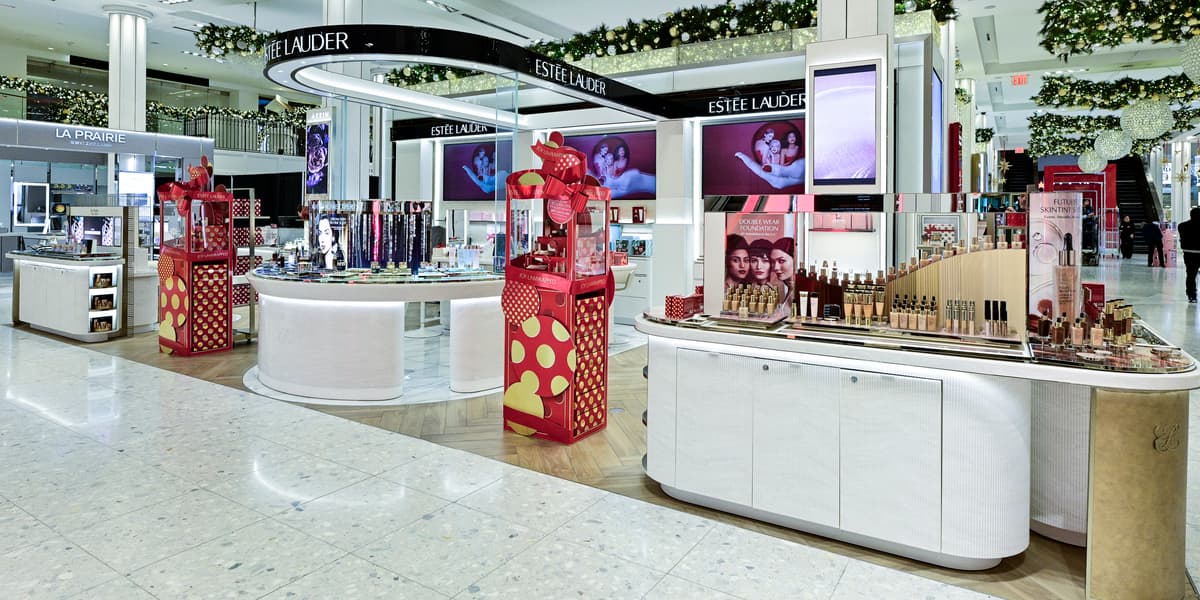
The Estée Lauder Companies Will Reduce Department Store Footprint as It Focuses on ‘High-Growth’ Online Channels
Companies Mentioned
Why It Matters
Reducing department‑store exposure and boosting e‑commerce positions ELC to capture shifting consumer buying habits and protect margins amid a volatile retail landscape.
Key Takeaways
- •ELC Q3 sales rose 5% to $3.7 billion, driven by fragrance.
- •Estée Lauder brand double‑digit growth; Too Faced sales fell double digits.
- •Bobbi Brown exiting all U.S. department stores; focus shifts to Amazon, TikTok Shop.
- •Online U.S. sales grew high single digits; 12 brands now on Amazon.
- •China online sales up 11%; The Ordinary launched on Douyin.
Pulse Analysis
The beauty sector is in the midst of a structural realignment, with legacy department‑store channels losing relevance as consumers gravitate toward digital touchpoints. Estée Lauder’s latest earnings underscore this trend: a modest 5% top‑line increase was powered primarily by fragrance, while traditional brick‑and‑mortar sales for makeup and skin care remained flat. By pulling back from department stores—most notably Bobbi Brown’s U.S. exit—the company is trimming inventory costs and reallocating resources to high‑velocity online platforms that promise better data insights and customer engagement.
Brand performance within the portfolio is diverging sharply. The flagship Estée Lauder line leveraged a successful Double Wear foundation relaunch to achieve double‑digit growth, whereas Too Faced, acquired for $1.45 billion in 2016, suffered a double‑digit sales decline, fueling speculation about a potential divestiture. Meanwhile, MAC’s rapid ascent as the top lip brand at Sephora and its recent launch in U.S. stores illustrate how targeted digital‑first strategies can revitalize legacy labels. The decision to concentrate on Amazon, where 12 ELC brands now sell, and emerging marketplaces like TikTok Shop reflects a broader industry pivot toward omnichannel commerce.
The strategic shift has broader implications for the competitive landscape. With online U.S. sales climbing high single digits and Chinese digital channels delivering an 11% uplift—bolstered by The Ordinary’s debut on Douyin and MAC’s presence on Vip.com—ELC is positioning itself to capture growth in both mature and emerging markets. This aggressive e‑commerce expansion also sets the stage for potential consolidation, as the company’s silence on a rumored merger with Puig suggests it may be weighing options that could reshape market share dynamics across luxury beauty. Companies that fail to adapt to these consumer‑driven distribution changes risk losing relevance in an increasingly digital marketplace.
The Estée Lauder Companies will reduce department store footprint as it focuses on ‘high-growth’ online channels
Comments
Want to join the conversation?
Loading comments...