The Friday Checkout: Walmart’s Biggest Private Brand Is Finally Getting a Makeover. Grocers Should Pay Attention.
Companies Mentioned
Why It Matters
By elevating the look of its flagship private label, Walmart hopes to convert price‑sensitive shoppers into brand‑loyal customers, improving margin contribution. The shift also pressures rivals to invest in design, accelerating the overall premiumization of store brands.
Key Takeaways
- •Walmart revamps Great Value packaging, first redesign in 10+ years.
- •Great Value accounts for roughly 30% of Walmart’s private‑label sales.
- •New look targets pride‑in‑ownership, aiming to boost shopper loyalty.
- •Competitors likely to accelerate their own private‑label refreshes.
Pulse Analysis
The private‑label sector has undergone a dramatic transformation over the past two decades, moving from the stigma of "generic" to a trusted alternative to national brands. Walmart’s Great Value line, launched in the early 1990s, helped pioneer that shift by offering low‑price staples, but its visual identity remained rooted in the era of plain, utilitarian packaging. As consumers increasingly associate design with quality, retailers are compelled to rethink how store brands appear on shelves, especially when those brands now command a sizable share of overall sales.
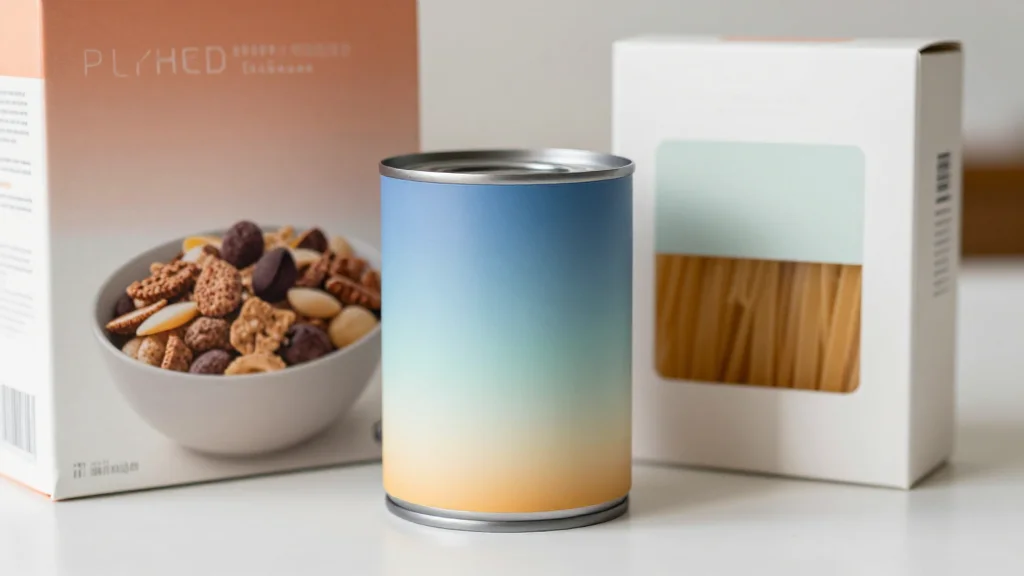
Walmart’s latest redesign tackles that challenge head‑on. The company unveiled a sleek new logo, vibrant color palettes, and clearer nutritional labeling, all aimed at making Great Value products feel more premium while preserving their price advantage. Executives say the goal is to foster "pride in ownership," encouraging shoppers to display the items at home rather than hide them. Early market research suggests that a more attractive package can lift purchase intent by up to 7%, potentially expanding the brand’s contribution to Walmart’s already impressive private‑label margin profile.
The ripple effect across the grocery landscape could be significant. Regional chains and national competitors alike have been experimenting with private‑label makeovers, but Walmart’s scale gives its redesign a louder echo. As margins tighten and consumers demand both value and quality, other grocers are likely to accelerate their own branding initiatives to avoid being perceived as outdated. In the long run, the premiumization of store brands may reshape supplier negotiations, shelf space allocation, and even the broader narrative of what constitutes "good enough" in everyday grocery shopping.
The Friday Checkout: Walmart’s biggest private brand is finally getting a makeover. Grocers should pay attention.
Comments
Want to join the conversation?
Loading comments...