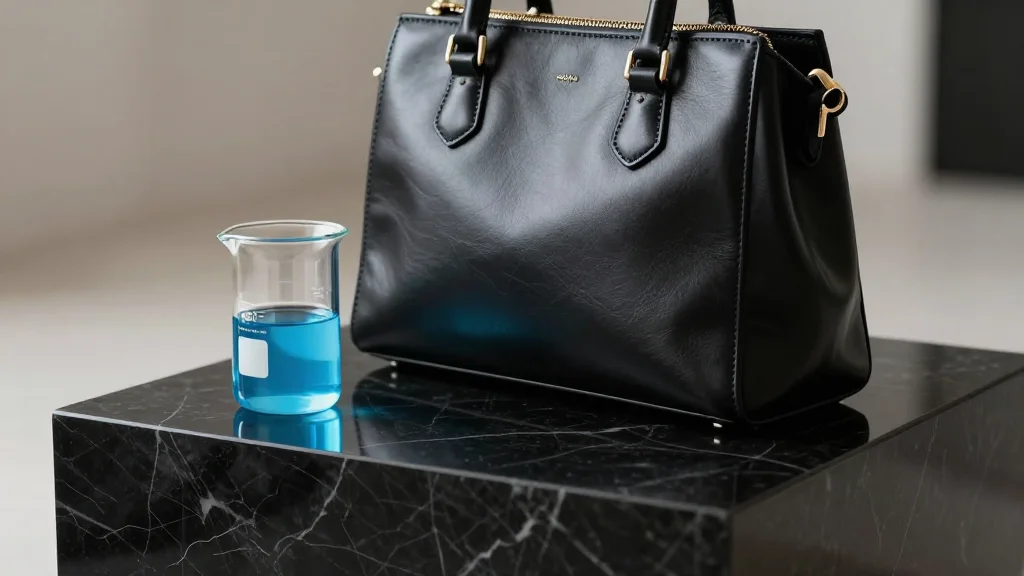
The Quiet Research and Development Lab Nobody’s Talking About
Why It Matters
The shift to secret R&D labs gives luxury brands a competitive edge in sustainability and digital innovation, reshaping industry standards and consumer expectations.
Key Takeaways
- •Luxury houses invest $200M annually in covert R&D labs.
- •Labs test biodegradable silk and lab‑grown leather prototypes.
- •AI algorithms generate 30% more design concepts per week.
- •Partnerships with tech startups accelerate time‑to‑market for innovations.
- •Confidential labs protect IP, limiting competitor replication.
Pulse Analysis
Luxury brands have long relied on heritage and craftsmanship, but a quiet revolution is underway as they pour unprecedented capital into hidden research and development labs. These facilities, often tucked away in industrial districts or university campuses, receive upwards of $200 million a year in dedicated budgets. By insulating innovation from the public eye, houses can experiment without risking brand dilution, while protecting valuable intellectual property. The strategic move mirrors tech‑sector practices, signaling that fashion is now a data‑driven, material‑science intensive industry.
The core of these labs centers on three technology pillars: sustainable materials, artificial intelligence, and immersive retail concepts. Teams are engineering biodegradable silk, lab‑grown leather, and recycled polyester blends that meet the exacting performance standards of high‑end couture. Simultaneously, AI models generate dozens of design variations daily, cutting concept‑to‑sample cycles by up to 30 percent. Partnerships with startups enable rapid prototyping of digital twins and augmented‑reality fitting rooms, allowing brands to test consumer reactions before physical production. Early prototypes showcased in the article illustrate how a single lab can deliver a full capsule collection within months, a timeline unheard of in traditional fashion calendars.
The implications for the luxury sector are profound. Confidential R&D labs create a moat around innovation, making it harder for competitors to replicate breakthroughs. They also accelerate the industry’s transition toward circularity, meeting growing regulatory pressure and consumer demand for eco‑friendly products. As these labs mature, we can expect tighter integration between design, supply chain, and retail, blurring the line between fashion and technology. Brands that master this hidden engine of innovation will likely dictate market trends, command premium pricing, and redefine what luxury means in the digital age.
The quiet research and development lab nobody’s talking about
Comments
Want to join the conversation?
Loading comments...