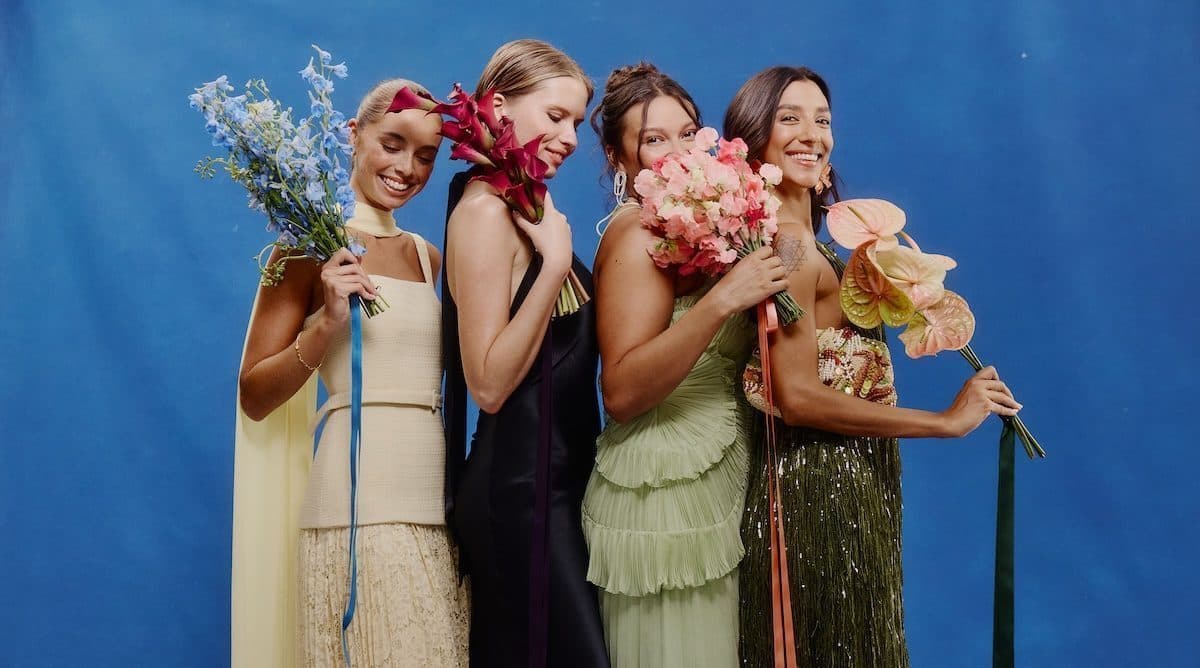
ThredUp Bets Wedding Guest Outfits Can Drive Secondhand Growth
Companies Mentioned
Why It Matters
The initiative taps a high‑spending, under‑served segment, driving higher conversion rates and reinforcing resale as a sustainable alternative to fast fashion. It also positions ThredUp as a leader in omnichannel wedding‑wear resale, potentially expanding its market share.
Key Takeaways
- •ThredUp launched “The Wedding Guest Shop” landing page targeting wedding attire
- •New AI “Dress Code Decoder” suggests outfits based on invitation dress codes
- •Wedding shop visitors convert 3×; Decoder users convert 5× average
- •Survey shows 81% of Gen Z wear wedding outfits only once
- •ThredUp plans more pop‑up boutiques for hybrid online‑in‑person experience
Pulse Analysis
The wedding‑guest market has become a lucrative niche for fashion retailers, with guests typically spending $550–$820 on outfits that are worn once and then abandoned. As sustainability gains traction, secondhand platforms are uniquely positioned to capture this spend by offering affordable, high‑quality alternatives that align with eco‑conscious consumer values. ThredUp’s data‑driven approach, anchored by a large inventory of four million items, allows it to meet diverse dress codes while reducing the environmental impact of single‑use fashion.
ThredUp’s launch of the “Wedding Guest Shop” and its AI‑powered “Dress Code Decoder” represent a strategic blend of technology and curation. By translating ambiguous dress codes—such as “garden party” or “gothmaxxing”—into searchable style clusters, the tool streamlines the decision‑making process and drives engagement. Early metrics show a three‑fold lift in conversion for shop visitors and a five‑fold lift for decoder users, indicating that personalized AI recommendations can significantly boost resale adoption. The integration of Pinterest‑style boards and upload features further personalizes the experience, turning inspiration into actionable purchases.
Beyond the immediate sales lift, ThredUp’s hybrid model—combining an online discovery platform with pop‑up boutiques—addresses the growing demand for omnichannel experiences. Physical events let shoppers assess fit and fabric, while digital tools handle inventory tagging and resale logistics. This approach not only enhances customer confidence but also creates a continuous resale loop, encouraging users to return items via Clean‑Out kits. As more brands adopt similar strategies, the resale sector is poised to capture a larger share of the wedding‑wear spend, reshaping the fashion ecosystem toward circularity.
ThredUp bets wedding guest outfits can drive secondhand growth
Comments
Want to join the conversation?
Loading comments...