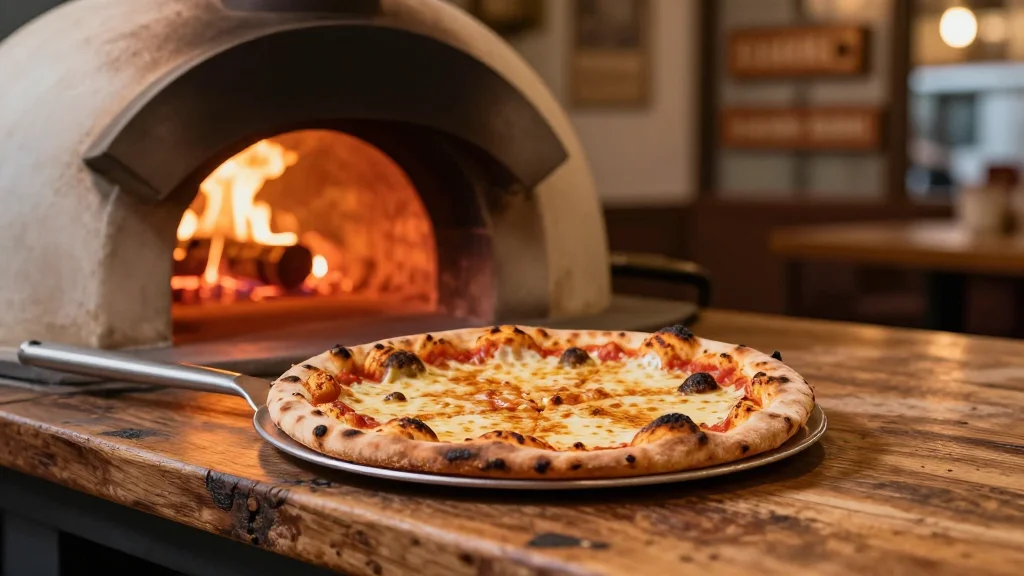
Timber Pizza Co. Grows to Nine Stores After Founders Quit Corporate Jobs

Why It Matters
Timber Pizza’s rapid expansion underscores a shift in the fast‑casual dining sector toward entrepreneurial brands that blend craft food with scalable franchise models. By proving that a modest $20,000 seed investment can seed a multi‑state chain, the story offers a blueprint for other aspiring restaurateurs seeking to bypass traditional venture capital routes. The brand’s focus on Southern markets taps into a region where dining out is growing faster than the national average, driven by rising disposable income and a cultural affinity for comfort food. Timber Pizza’s success could accelerate competition among wood‑fired pizza concepts, prompting incumbents to innovate on menu, service speed, and digital engagement.
Key Takeaways
- •Founders left corporate tech sales at age 25 to start Timber Pizza.
- •Initial capital: $15,000 family loan + $5,000 personal check.
- •First brick‑and‑mortar opened in D.C.’s Petworth in 2016.
- •Now operating nine locations and five mobile units across the South.
- •Goal: open 5‑8 new stores per year for the next 3‑5 years.
Pulse Analysis
Timber Pizza’s story illustrates how low‑cost, mobile‑first strategies can de‑risk early-stage restaurant ventures. By validating the concept on a Chevy pickup, Brady and Dana built a loyal following before committing to costly leases. This approach mirrors the "pop‑up" trend seen in other food categories, where real‑world data drives expansion decisions.
The shift to franchising in 2021 was pivotal. It injected capital and operational expertise at a time when the pandemic threatened many independent eateries. Franchising also distributes risk, allowing the brand to grow without over‑leveraging its balance sheet. However, scaling wood‑fired pizza presents unique challenges: each oven requires precise temperature control, and supply chains for high‑quality dough and toppings must be consistent across disparate markets. Success will hinge on the company’s ability to codify its craft into replicable processes.
Looking ahead, Timber Pizza’s planned entry into Atlanta could serve as a bellwether for its national ambitions. If the flagship store demonstrates strong unit economics and brand traction, it may attract additional franchise partners and possibly institutional investors. Conversely, over‑expansion without maintaining product quality could erode the brand’s authenticity—a risk that many fast‑casual chains have faced. The next 12 months will reveal whether Timber Pizza can balance growth with the artisanal ethos that sparked its origin.
Timber Pizza Co. Grows to Nine Stores After Founders Quit Corporate Jobs
Comments
Want to join the conversation?
Loading comments...