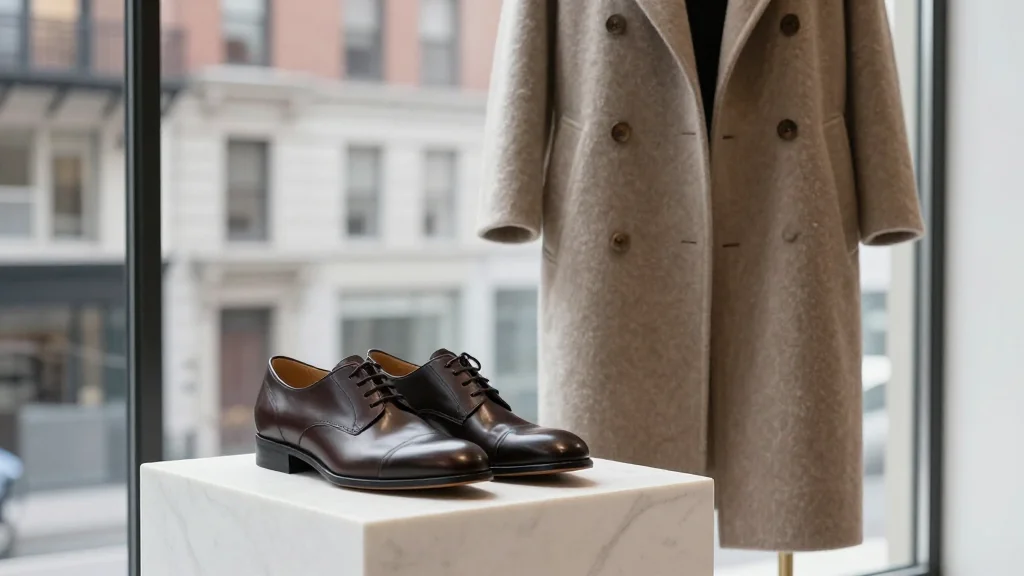
Walmart Launches $45 Cashmere Pop‑Up in SoHo, Aiming to Democratize Fashion

Companies Mentioned
Why It Matters
Walmart’s SoHo pop‑up tests the hypothesis that affordable, higher‑quality apparel can succeed in premium retail environments. A positive response would validate the retailer’s strategy to expand its private‑brand fashion business beyond price‑driven shoppers, potentially eroding market share from traditional luxury and specialty apparel chains. Conversely, a lukewarm reception could signal limits to price‑based disruption in high‑touch shopping districts, reinforcing the importance of brand cachet. The experiment also highlights the growing convergence of e‑commerce scale and physical‑store experience. By leveraging its massive supply chain to produce cashmere at $45, Walmart demonstrates that cost advantages can be translated into tangible product offerings that appeal to style‑conscious consumers, reshaping expectations for what discount retailers can deliver in brick‑and‑mortar formats.
Key Takeaways
- •Walmart opened a fashion pop‑up at 210 Lafayette Street in SoHo, open until May 10.
- •Cashmere sweaters are priced at $45, marking the first time Walmart offers such premium fabrics at discount prices.
- •The pop‑up is Walmart’s fourth temporary New York shop and showcases four private brands with >$2 billion in annual sales each.
- •Executive VP Denise Incandela cites 145 million weekly customers but notes low fashion conversion rates.
- •Walmart has built a 150‑person New York fashion office to accelerate private‑brand development.
Pulse Analysis
Walmart’s SoHo pop‑up is more than a marketing stunt; it is a strategic probe into the elasticity of fashion demand across price and location. Historically, discount retailers have shied away from premium districts, fearing brand dilution. By placing cashmere and silk in a neighborhood dominated by designer boutiques, Walmart forces a direct comparison that could recalibrate consumer expectations about value. If shoppers accept $45 cashmere as a credible alternative to $200‑plus luxury offerings, the retailer could unlock a new revenue tier that leverages its massive scale without cannibalizing its core low‑price business.
The initiative also underscores a shift in supply‑chain dynamics. Walmart’s ability to source cashmere at a cost that supports a $45 retail price point suggests deeper integration with global textile producers and more sophisticated inventory management. This capability could be replicated across other high‑margin categories, such as activewear or footwear, further eroding the competitive moat of specialty brands. However, the experiment carries risk: premium shoppers often equate price with quality and status, and a discount label may still be a barrier despite comparable product attributes.
Looking ahead, the data collected from the SoHo pop‑up—sales velocity, average transaction value, and social‑media sentiment—will inform whether Walmart expands this model to other high‑visibility locations like Chicago’s Magnificent Mile or Los Angeles’ Rodeo Drive. Success could trigger a wave of similar pop‑ups from other mass retailers, accelerating the democratization of fashion and reshaping the retail real‑estate market as premium landlords consider mixed‑price tenants. The outcome will be a bellwether for the broader industry’s ability to blend cost leadership with style leadership in an increasingly experience‑driven consumer landscape.
Walmart Launches $45 Cashmere Pop‑Up in SoHo, Aiming to Democratize Fashion
Comments
Want to join the conversation?
Loading comments...