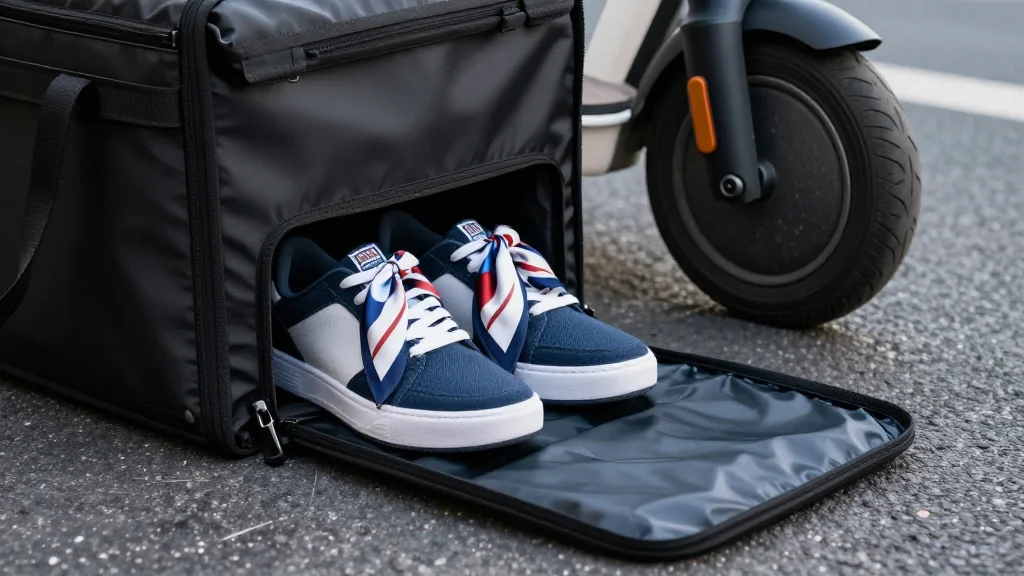
Why Fashion Brands Are Betting Big On Q-Commerce Ads
Why It Matters
Q‑commerce ads give brands immediate access to purchase‑ready consumers, driving superior returns and reshaping digital advertising spend in India’s fastest‑growing retail format.
Key Takeaways
- •Q‑commerce in India hit ₹64,000 crore ($6.9 bn) FY25, 142% CAGR
- •Blinkit ad revenue reached $108 million in FY24, 50% market share
- •Brands see 2‑3× higher ROAS on q‑commerce vs Meta/Google
- •Advertising can consume up to 45% of product price on q‑commerce
- •Apparel ad spend on q‑commerce expected to rise 10‑30% next year
Pulse Analysis
The rapid expansion of India’s q‑commerce ecosystem is redefining where brands allocate their digital budgets. With a user base that prioritizes speed and convenience, platforms such as Blinkit, Zepto and Swiggy Instamart have become high‑visibility shelves where the cost of a click translates directly into a purchase. This immediacy contrasts sharply with traditional e‑commerce or social media, where ads often aim for awareness rather than conversion. As a result, advertisers are willing to allocate a larger share of their spend to these apps, even though total fees—including commissions, fulfillment and storage—can eat up 40‑45% of a product’s price.
Performance metrics underscore the appeal: conversion rates of 3‑8% on q‑commerce outpace the 1.5‑3% typical of Google and Meta, delivering ROAS that can be two to three times higher. For apparel brands, the impact is tangible; innerwear, athleisure and everyday basics see the strongest lift because they align with the “need‑based” shopping mindset of q‑commerce users. Companies like XYXX Apparels and Jisora are already earmarking 10‑15% of their digital ad budgets for these platforms, with plans to increase spend by up to 30% as competition intensifies.
Looking ahead, the sector’s trajectory suggests that q‑commerce will capture roughly 10% of branded retail sales by 2030, prompting a strategic shift in how brands view the digital funnel. While the platforms offer swift cash‑flow cycles and high‑intent traffic, they lack deep consumer data, urging brands to maintain robust presence on social and search channels for discovery. Balancing visibility on q‑commerce with broader brand‑building efforts will be key to sustaining growth without inflating ad costs.
Why Fashion Brands Are Betting Big On Q-Commerce Ads
Comments
Want to join the conversation?
Loading comments...