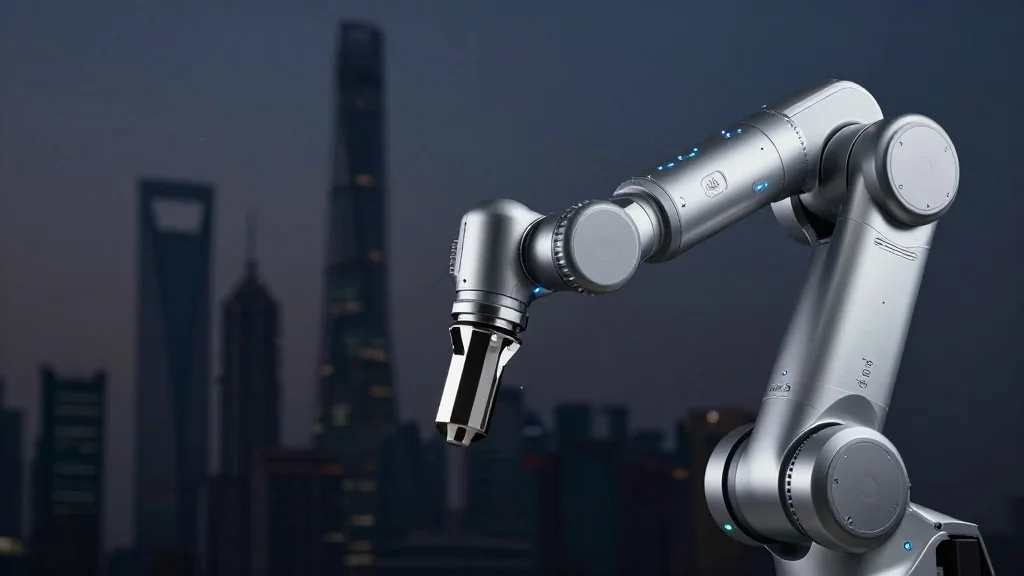
China Makes AI‑Powered Robots Central to 15th Five‑Year Plan

Why It Matters
Embedding AI‑powered robotics in the national plan transforms China from a high‑volume adopter to a strategic driver of robot technology. By aligning policy, funding, and industry standards, the government can accelerate innovation cycles, lower costs, and expand the domestic talent pool, giving Chinese firms a competitive edge in both hardware and software. For global manufacturers, the shift means adapting to Chinese specifications, competing for market share, and potentially collaborating on joint‑development projects. The emphasis on intelligent, AI‑integrated robots also raises questions about labor displacement and the need for reskilling. As factories become more autonomous, the demand for advanced technical roles will grow, while routine manual jobs may decline. Policymakers worldwide will watch China’s experience closely, using it as a reference point for balancing productivity gains with social impacts.
Key Takeaways
- •China’s 15th Five‑Year Plan (2026‑2030) makes AI‑powered robots a strategic priority.
- •Operational stock of industrial robots in China reached ~2 million units, 4.5× Japan’s inventory.
- •China accounted for 54% of all new industrial robot installations worldwide in 2025.
- •Domestic supplier share rose from 30% in 2020 to 57% in 2024, reducing import dependence.
- •Humanoid robot commercialization targeted for the latter half of the plan, with pilots now underway.
Pulse Analysis
China’s decision to embed AI‑enabled robotics at the heart of its five‑year blueprint is more than a policy update; it is a coordinated attempt to lock in technological leadership. Historically, China’s robot surge was driven by low‑cost manufacturing and aggressive import of foreign systems. The new plan flips that narrative, encouraging homegrown innovation, standard‑setting, and a domestic ecosystem that can export both hardware and AI software. This mirrors earlier industrial policy shifts that successfully moved China from a low‑cost assembler to a high‑value producer in sectors like telecommunications and renewable energy.
From a market perspective, the plan creates a dual‑track dynamic. In the short term, traditional industrial robots will dominate, feeding demand for precision tools, vision systems, and collaborative platforms. Companies that can supply AI layers—such as predictive maintenance, quality inspection, and adaptive control—stand to capture new revenue streams. In the medium to long term, the push for humanoid and service robots could open entirely new applications in logistics, elder care, and retail, potentially reshaping labor markets domestically and abroad. Competitors in the United States, Europe, and Japan will need to accelerate their own AI‑robot roadmaps or risk ceding ground in standards, talent, and market share.
Finally, the policy underscores a geopolitical dimension. By reducing reliance on foreign components and fostering a self‑sufficient robot supply chain, China mitigates risks from trade tensions and export controls. The ripple effect may prompt other nations to reconsider their own strategic dependencies on critical automation technologies, leading to a more fragmented but also more innovative global robotics landscape.
China Makes AI‑Powered Robots Central to 15th Five‑Year Plan
Comments
Want to join the conversation?
Loading comments...