Sky Mall: Inside the Rise of Drone Deliveries
Companies Mentioned
Why It Matters
Regulatory easing and retailer investment signal a rapid shift in last‑mile logistics, reshaping supply chains and urban commerce. The scale‑up could cut delivery times, lower costs, and create new competitive dynamics in the logistics market.
Key Takeaways
- •Matternet piloted food and medical drone deliveries in US and UK.
- •FAA Part 108 may eliminate line‑of‑sight rule this year.
- •Walmart, Uber Eats, DoorDash expanding drone services to multiple states.
- •DJI faces US military designation, opening space for domestic rivals.
- •Forecast: 2,000 daily US deliveries now, 3‑5 million by 2030.
Pulse Analysis
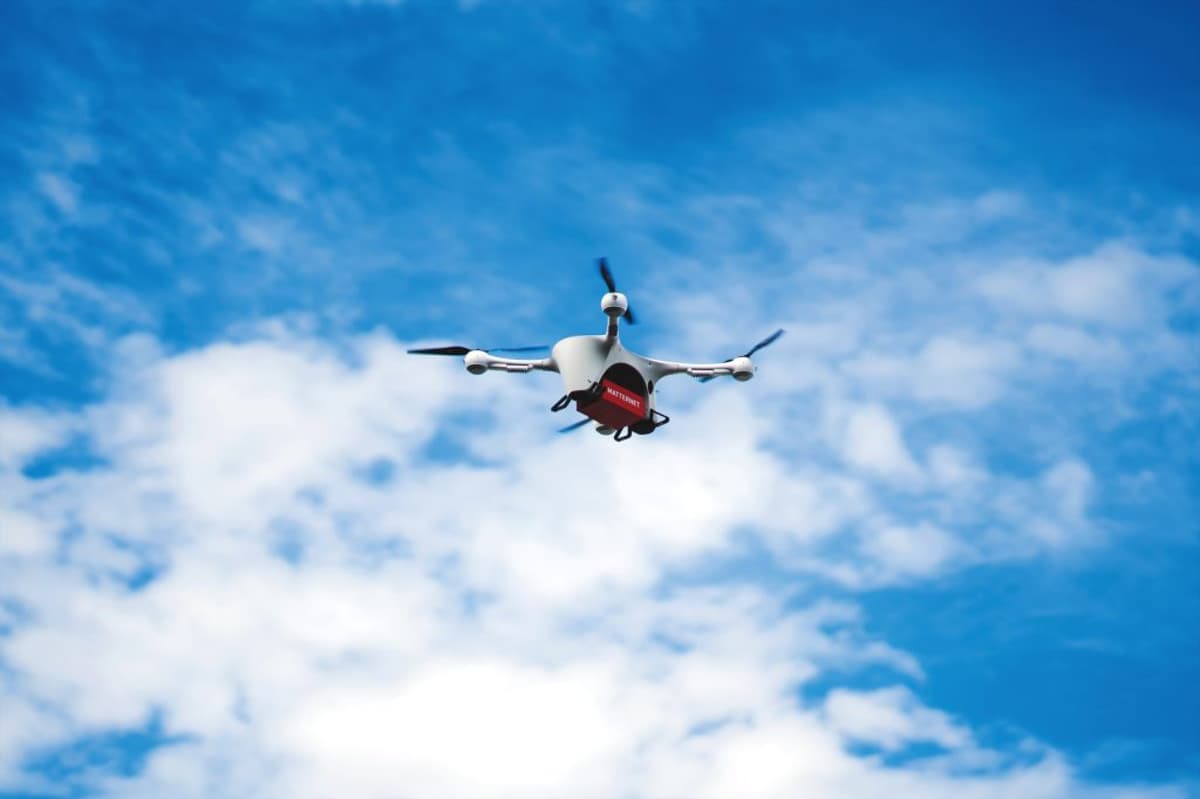
The drone delivery sector has finally emerged from years of hype, driven by real‑world pilots that prove the concept works at scale. Matternet’s partnership with a fast‑food chain in Southern California and a logistics link for NHS hospitals in London demonstrate both consumer and medical use cases. While Amazon’s aerial fleet remains a fraction of its overall order volume, the industry now boasts roughly 2,000 daily U.S. drops, a figure that analysts expect to explode to several million by the end of the decade.
A decisive catalyst is the FAA’s proposed Part 108 regulation, which would lift the longstanding line‑of‑sight mandate and permit centralized, autonomous control of drone fleets. This regulatory shift lowers operational costs and enables retailers to integrate drones into existing fulfillment networks. Walmart’s multi‑state rollout, Uber Eats’ partnership with Flytrex, and DoorDash’s food‑by‑air service illustrate how major players are betting on the technology to accelerate delivery speeds, especially in suburban and rural markets where traffic congestion hampers traditional logistics.
Competitive dynamics are also evolving. DJI, the dominant drone manufacturer, now carries a U.S. Department of Defense label as a Chinese military company, prompting a surge of domestic startups aiming to capture market share. Coupled with advances in artificial‑intelligence navigation, these firms can offer reliable, fully autonomous operations comparable to self‑driving cars. As regulators grow comfortable with heavier payloads, the industry is poised for rapid expansion, making drone delivery an inevitable component of the future low‑altitude economy.
Sky Mall: Inside the Rise of Drone Deliveries
Comments
Want to join the conversation?
Loading comments...