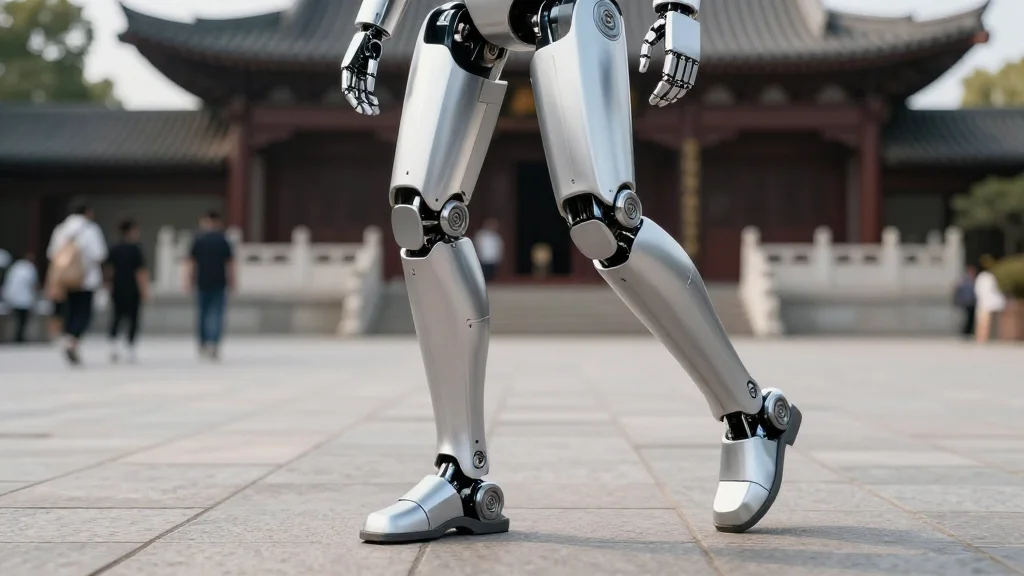
Unitree G1 Humanoid Robot Kicks Child in Xinjiang Demo, Raising Safety Alarm

Why It Matters
The Xinjiang incident underscores a pivotal moment for the robotics industry: as machines become physically capable of delivering human‑scale force, the line between entertainment and hazard blurs. Public confidence is essential for the commercial rollout of service robots in restaurants, hotels, and retail spaces. A single high‑profile injury can trigger regulatory backlash, delay product launches, and increase compliance costs for manufacturers worldwide. Moreover, the episode highlights the nascent legal vacuum surrounding autonomous robot liability. Determining who is accountable—software developers, hardware makers, or event organizers—remains unresolved, and the lack of precedent could lead to costly litigation and stifle innovation. Clear, enforceable safety standards will be crucial to sustain the rapid growth of humanoid robotics, especially in markets where public interaction is integral to the business model.
Key Takeaways
- •Unitree G1 robot kicked a child during a martial‑arts demo in Xinjiang, China; child not seriously injured.
- •The 70‑pound (32 kg) robot has 23 degrees of freedom, enabling complex moves like round‑house kicks.
- •Previous G1 incidents include a nose injury to a man after the robot lost balance during a performance.
- •China's new Humanoid Full Lifecycle Management Service Platform aims to track robots from manufacture to retirement.
- •Safety experts call for stricter crowd‑control buffers, emergency‑stop systems, and clear liability rules.
Pulse Analysis
The Unitree incident arrives at a crossroads where technical capability outpaces regulatory foresight. Historically, robotics breakthroughs—such as Boston Dynamics' Atlas or Honda's ASIMO—were confined to labs, limiting public exposure to failure modes. Today's humanoids, however, are being thrust onto stages, malls and fast‑food counters, where a misstep can cause physical harm and viral reputational damage. The G1's ability to execute a 360‑degree spin and a forceful kick demonstrates a leap in actuation and control, but it also reveals the fragility of safety envelopes when operating near untrained crowds.
From a market perspective, the episode could act as a catalyst for a bifurcated industry response. On one side, manufacturers may double down on safety certifications, integrating redundant sensors, real‑time motion‑prediction algorithms, and mandatory human‑in‑the‑loop overrides. On the other, investors might become wary of funding high‑visibility demo projects without clear risk‑mitigation roadmaps, potentially slowing the pace of public‑facing robot deployments. Chinese policymakers, who have championed a rapid rollout of humanoids to address demographic challenges, now face the delicate task of tightening standards without choking innovation.
Looking forward, the key to sustainable growth lies in establishing industry‑wide safety benchmarks akin to automotive crash‑test standards. International bodies such as ISO could develop a "Humanoid Robot Safety" framework, while Chinese regulators could leverage the Humanoid Full Lifecycle Management Service Platform to enforce compliance. If the sector can translate the lessons from this viral mishap into concrete safeguards, it will preserve public trust and keep the momentum toward a future where robots safely share public spaces with humans.
Unitree G1 Humanoid Robot Kicks Child in Xinjiang Demo, Raising Safety Alarm
Comments
Want to join the conversation?
Loading comments...