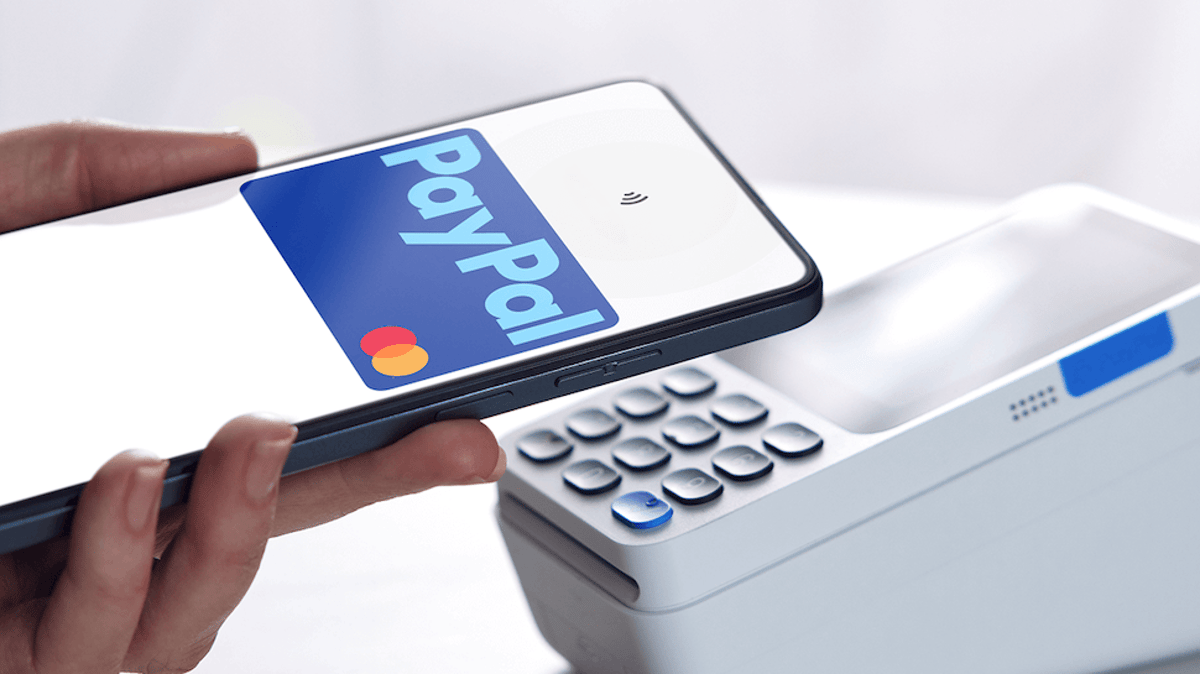
PayPal User Beware - Experts Warn Subscriptions Being Abused to Send Fake Purchase Emails
•December 17, 2025
0
Companies Mentioned


Why It Matters
The abuse undermines trust in PayPal’s automated billing system and exposes millions of users to credential theft, prompting broader concerns for fintech email security.
Key Takeaways
- •Scammers exploit PayPal Subscriptions to embed phishing links
- •Fake emails originate from legitimate PayPal server domain
- •Google Workspace list forwards message to multiple victims
- •SPF and DMARC checks break after forwarding
- •PayPal is developing a fix and urging vigilance
Pulse Analysis
The latest phishing campaign leverages PayPal’s Subscriptions service, a tool designed for recurring billing, as a covert delivery channel for malicious URLs. By altering the customer‑service link embedded in the termination notice, attackers turn a routine notification into a lure for credential harvesting. The initial email is sent to a single address that belongs to a Google Workspace group; the group’s automatic forwarding spreads the counterfeit message to dozens of unsuspecting users, effectively sidestepping traditional email filters.
From a security standpoint, the scheme highlights a critical weakness in email authentication when legitimate messages are rerouted. SPF and DMARC checks, which rely on the originating server’s identity, fail once the email is forwarded by an unrelated domain, allowing the phishing content to appear as if it came directly from PayPal. This erosion of trust in transactional emails can increase the success rate of credential‑stealing attacks, especially for users who rely on PayPal for e‑commerce and subscription payments. Financial platforms must therefore reassess how metadata is handled in automated communications and consider stricter validation of forwarding paths.
PayPal’s response includes a promise to patch the underlying vulnerability and a public reminder for users to verify unexpected subscription emails through the official app or website. Industry observers suggest that fintech firms should adopt end‑to‑end encryption for subscription notices and implement stricter API controls to prevent metadata manipulation. Meanwhile, consumers are urged to scrutinize any unsolicited PayPal messages, avoid clicking embedded links, and report suspicious emails directly to PayPal support. These steps can mitigate the immediate threat while the broader ecosystem works toward more resilient email authentication practices.
PayPal user beware - experts warn subscriptions being abused to send fake purchase emails
0
Comments
Want to join the conversation?
Loading comments...