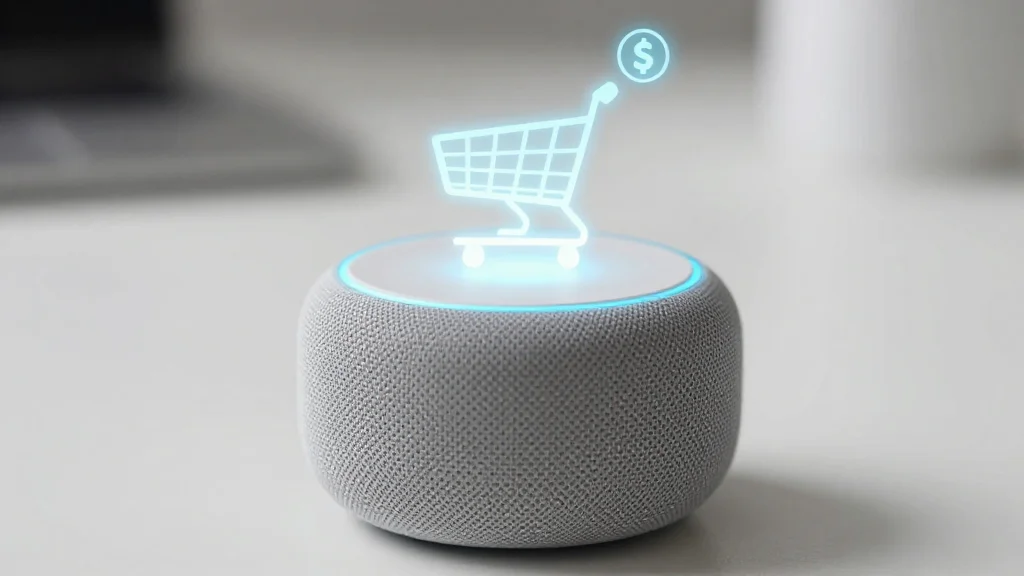
Amazon Turns Alexa Smart Speakers Into a $26 B Voice‑Driven Sales Engine

Companies Mentioned
Why It Matters
The Alexa+ transformation signals a shift from passive voice assistants to active sales agents, redefining how consumers discover and purchase products at home. By embedding commerce directly into the smart speaker, Amazon reduces the friction that traditionally hampers impulse buying, potentially increasing average order values and frequency. For the broader sales ecosystem, this development forces brands to rethink attribution models, as voice‑driven purchases bypass conventional digital ad funnels. Moreover, the move deepens Amazon’s ecosystem lock‑in. As more merchants integrate with Alexa’s skill platform, the cost of switching to competing assistants rises, reinforcing Amazon’s market dominance. The initiative also raises regulatory questions around consent and data usage, prompting lawmakers to scrutinize how AI‑driven agents handle financial transactions.
Key Takeaways
- •Amazon’s Alexa+ upgrade enables autonomous purchases and ad placements on smart speakers.
- •Alexa devices number over 600 million worldwide, giving Amazon a massive sales conduit.
- •Global smart‑speaker market valued at $26 billion in 2024, projected to hit $105 billion by 2033.
- •Prime members receive Alexa+ at no extra cost, boosting subscription value.
- •Amazon takes a revenue share from third‑party skill transactions and display ads.
Pulse Analysis
Amazon’s pivot to voice‑driven commerce is more than a product tweak; it’s a strategic bet on the next frontier of retail frictionlessness. Historically, the company has leveraged its logistics and data assets to create new sales channels—first with the Kindle, then with Prime Video. Alexa+ follows the same playbook, turning a ubiquitous household device into a revenue‑generating storefront. The key advantage lies in the assistant’s ability to act as a silent sales rep, surfacing products at the exact moment a consumer expresses intent, thereby capturing demand that would otherwise evaporate.
From a competitive standpoint, the move forces rivals like Google Assistant and Apple Siri to accelerate their own agentic commerce capabilities. While Apple is still exploring on‑device AI for Siri, Amazon already has a mature ecosystem and a proven track record of converting data into sales. This head start could translate into a durable moat, especially as advertisers shift budgets toward voice‑first formats.
Looking ahead, the success of Alexa‑driven sales will hinge on consumer trust. If Amazon can demonstrate transparent consent mechanisms and robust security—particularly around payment authentication—it will likely see rapid adoption. Conversely, any high‑profile mishap could trigger regulatory backlash and erode the perceived convenience of voice commerce. In the near term, we expect Amazon to double‑down on developer incentives, expand its ad inventory, and integrate fulfillment data to close the loop between voice order and delivery, cementing Alexa’s role as a core pillar of its sales strategy.
Amazon Turns Alexa Smart Speakers Into a $26 B Voice‑Driven Sales Engine
Comments
Want to join the conversation?
Loading comments...