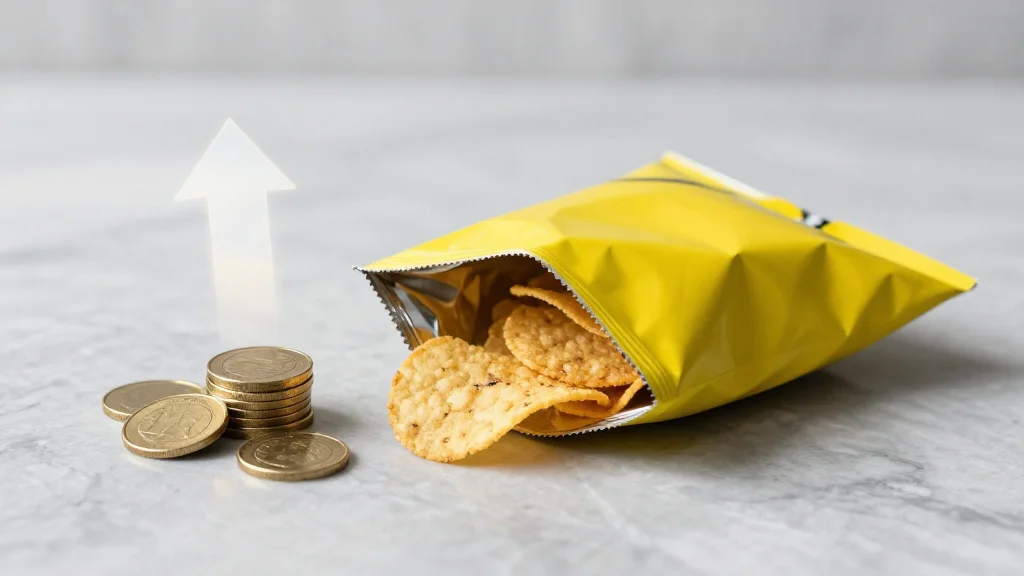
PepsiCo’s $7 Doritos Price Hike Costs Billions in Revenue

Companies Mentioned
Why It Matters
The Doritos price episode underscores how a single SKU’s pricing can ripple through an entire product line, affecting retailer relationships, shelf‑space allocation, and overall brand health. For sales teams, it illustrates the thin line between protecting margins and preserving volume, especially when external cost pressures—such as oil price spikes—limit the leeway for promotional tactics. Beyond PepsiCo, the case highlights a broader industry inflection point: legacy snack manufacturers must reconcile legacy pricing models with a consumer base that is increasingly price‑sensitive and health‑conscious. The ability to swiftly adjust pricing, test market reactions, and renegotiate retail placement will become a decisive competitive advantage in the fast‑moving consumer goods sector.
Key Takeaways
- •Doritos price rose to $7 per bag, a near‑50% increase since 2021
- •Revenue loss estimated in the billions due to the price hike
- •PepsiCo cut snack prices by up to 15% in early 2026
- •Retailers shifted shelf space to lower‑cost alternatives
- •Higher commodity costs threaten the durability of the price‑cut strategy
Pulse Analysis
PepsiCo’s pricing misstep is a textbook example of price elasticity gone awry. The company’s internal data likely showed that the incremental margin from a $7 bag would be offset by a steep drop in unit volume—a classic case of the law of demand. Yet the decision to push the price despite retailer pushback suggests a misalignment between corporate finance targets and on‑the‑ground sales intelligence.
Historically, CPG giants have used incremental price increases to offset rising input costs, but the Doritos case shows that the threshold for consumer tolerance can shift quickly, especially after pandemic‑era price hikes. The subsequent 15% price reduction mirrors a broader industry trend where firms are retreating from aggressive price hikes and instead focusing on promotional elasticity and value‑added packaging. PepsiCo’s ability to secure additional shelf space as part of the price‑cut package indicates that retailers are willing to reward price flexibility with better placement, a lever that may become more prominent as margins tighten.
Going forward, the key question for PepsiCo—and for peers—is whether the price‑cut cycle can be sustained without eroding brand equity. If commodity costs remain high, the company may need to innovate on cost‑saving packaging or shift more aggressively toward higher‑margin health‑focused lines. Sales organizations will need to sharpen their data‑driven pricing models, incorporate real‑time retailer feedback, and develop contingency plans that balance short‑term volume recovery with long‑term profitability. The Doritos episode will likely be dissected in sales training rooms as a cautionary tale of how quickly a pricing gamble can become a revenue nightmare.
PepsiCo’s $7 Doritos Price Hike Costs Billions in Revenue
Comments
Want to join the conversation?
Loading comments...