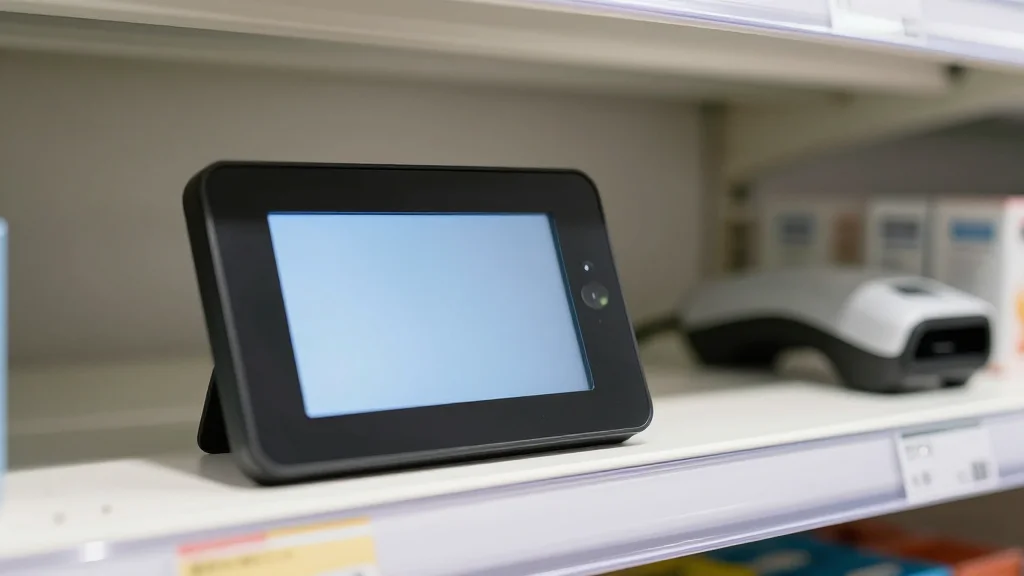
Walmart Pushes Digital Pricing Rollout, Sparking Debate over Surge Pricing and AI‑driven Sales Boost

Companies Mentioned
Why It Matters
The digital pricing rollout represents a fundamental shift in how a retailer of Walmart’s scale manages its price architecture. Real‑time price adjustments can improve margin capture during demand spikes, but they also risk eroding consumer confidence if perceived as opportunistic. Moreover, the integration of AI into last‑mile logistics underscores a broader trend: retailers are turning to advanced technology not just for cost savings but to sharpen the entire sales funnel—from inventory allocation to checkout. How Walmart navigates the tension between efficiency gains and public perception will influence pricing strategies across the retail sector. If Walmart successfully demonstrates that digital shelves can boost margins without alienating shoppers, it could set a new industry benchmark, prompting other big‑box chains to accelerate similar deployments. Conversely, regulatory pushback or consumer backlash could stall adoption and reinforce the status quo of static pricing, preserving the low‑growth, low‑margin model that has defined big‑retail for decades.
Key Takeaways
- •Walmart will have digital price tags in every U.S. store by year‑end 2026.
- •Digital pricing could lower labor costs but may enable temporary surge pricing.
- •AI‑driven last‑mile logistics, highlighted by former Walmart product chief Sudarshan Nagavalli, aim to cut delivery failures.
- •Walmart’s stock has risen >50% in 12 months, now trading at a 46× PE multiple.
- •Regulators and consumer groups are monitoring the rollout for potential price‑gouging practices.
Pulse Analysis
Walmart’s digital pricing initiative is less a gimmick than a strategic lever to extract incremental profit from an already massive base. Historically, the retailer has relied on thin margins and volume; the ability to adjust prices in seconds opens a new revenue stream without expanding store count. The technology also dovetails with AI‑enabled logistics, creating a feedback loop where inventory, delivery, and pricing decisions are synchronized in near real‑time. This convergence could shrink the gap between supply and demand, allowing Walmart to capture more of the consumer surplus that traditionally flows to competitors.
However, the move is fraught with reputational risk. Surge pricing, while commonplace in ride‑hailing and hospitality, clashes with the low‑price promise that underpins Walmart’s brand. A misstep—such as a sudden price hike on essential goods—could trigger a consumer backlash that outweighs marginal margin gains. The company’s challenge will be to embed transparency mechanisms, perhaps by displaying price‑change timestamps or offering price‑match guarantees, to mitigate suspicion.
From a competitive standpoint, the rollout forces peers to confront a choice: invest heavily in digital shelf infrastructure or risk falling behind on price agility. Target has piloted similar tags in a handful of stores, but Walmart’s scale gives it a cost advantage that could lock in pricing leadership. In the longer term, the success of this initiative may dictate whether the retail sector embraces dynamic pricing as a norm or retreats to static, regulator‑friendly models. Walmart’s next quarterly report will be the litmus test for whether the technology translates into sustainable sales growth or simply fuels a regulatory firestorm.
Walmart pushes digital pricing rollout, sparking debate over surge pricing and AI‑driven sales boost
Comments
Want to join the conversation?
Loading comments...