Key Takeaways
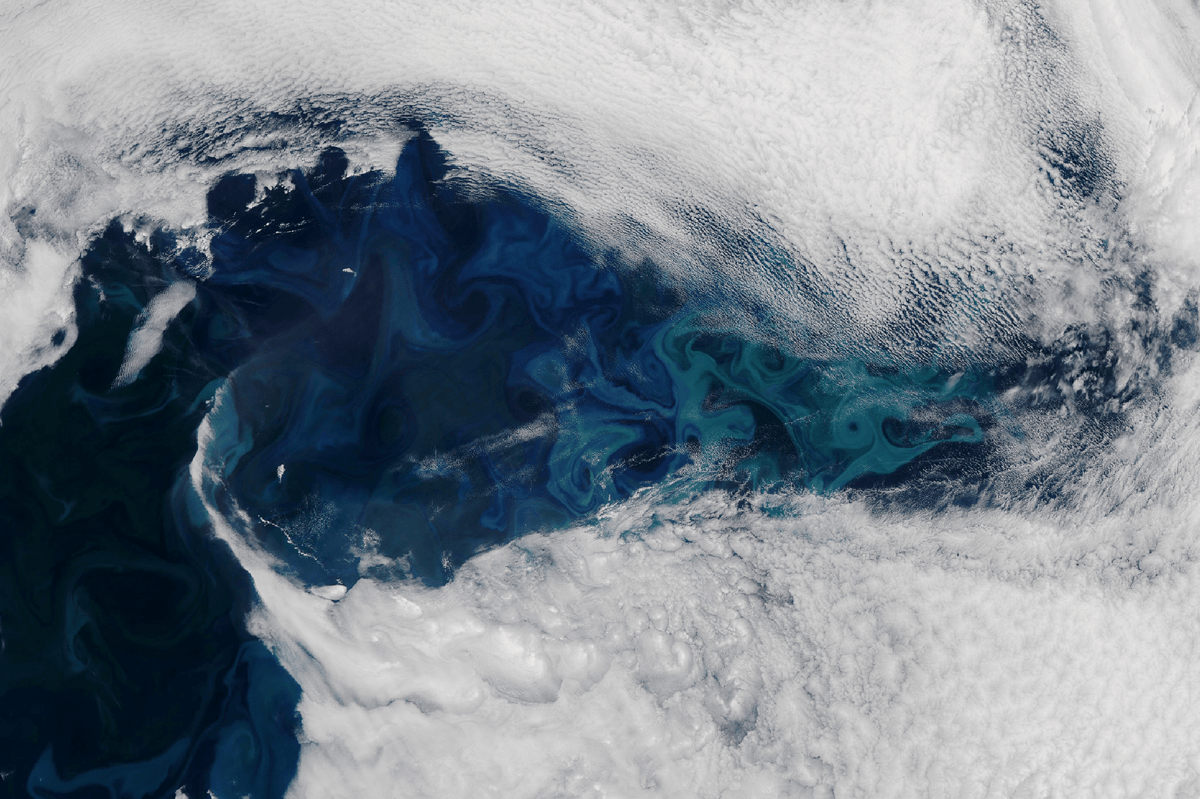
- •Satellite imagery captured a massive phytoplankton bloom near Greenland
- •Bloom spans hundreds of kilometers, visible from space
- •Phytoplankton swirls trace oceanic eddies and currents
- •Event highlights satellite role in monitoring marine health
- •Large blooms can affect carbon sequestration and fisheries
Pulse Analysis
Phytoplankton are the foundation of marine food webs and a critical component of the global carbon cycle, absorbing roughly a quarter of anthropogenic CO₂ each year. The recent bloom off Greenland, observed in May 2024, offers a rare, high‑resolution snapshot of these microscopic organisms aggregating on a continental scale. By turning the ocean’s surface into a living map of currents, the bloom reveals the intricate dance between biology and physics that drives nutrient transport and ecosystem productivity.
Modern satellite platforms, such as those operated by NASA’s Earth Observatory, now detect chlorophyll concentrations with unprecedented clarity, turning color variations into quantitative data. This capability allows scientists to monitor bloom dynamics in near real‑time, improving climate models that depend on accurate representations of oceanic carbon uptake. The Greenland event also showcases the utility of remote sensing for early warning systems, helping fisheries and coastal managers anticipate shifts in marine resources before they manifest on the ground.
Beyond scientific curiosity, large phytoplankton blooms have tangible economic and environmental implications. Robust blooms can boost fish stocks, supporting commercial fisheries, yet excessive growth may signal nutrient overloads or climate‑driven changes in water temperature. Understanding the drivers behind such events—whether natural eddies or anthropogenic influences—will be essential for policymakers aiming to balance marine conservation with sustainable resource use. Continued investment in satellite observation and oceanographic research will be key to decoding these complex signals and safeguarding the health of the planet’s oceans.
A Colorful Glimpse
Comments
Want to join the conversation?