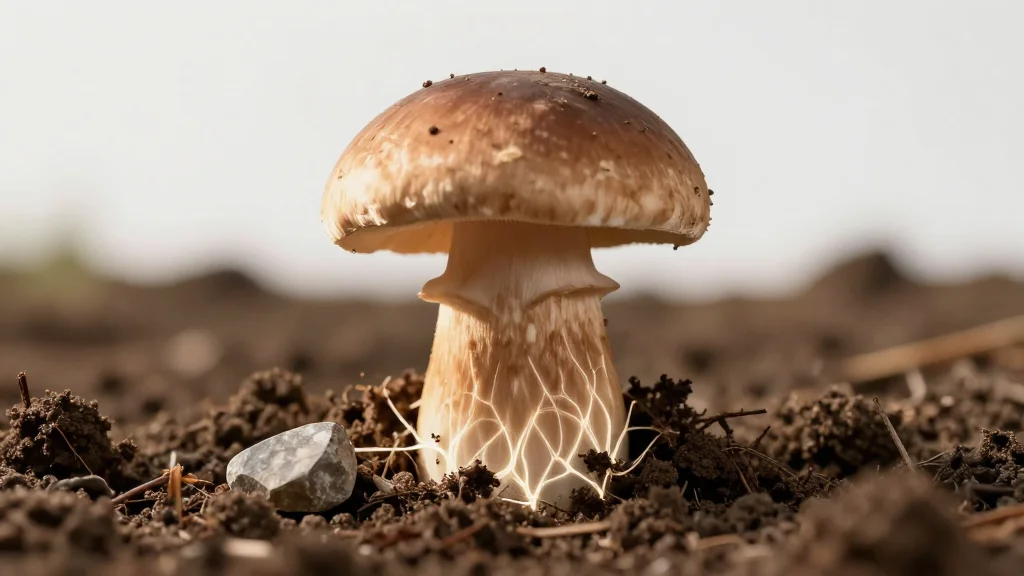
A Mycelial Thread Through Human History
Key Takeaways
- •Amadou from Fomes fomentarius enabled reliable fire-starting kits
- •Dental DNA reveals Paleolithic humans ate diverse mushroom species
- •Neanderthals likely used penicillin‑producing mold to treat infections
- •Polypores smoked to anesthetize bees, simplifying honey collection
- •Red yeast rice fermented alcohol 10,000 years ago in Asia
Pulse Analysis
Advances in ancient DNA sequencing and micro‑residue analysis have opened a window onto the hidden fungal economy of our ancestors. By extracting fungal DNA from dental calculus and pottery shards, researchers can identify specific species that were harvested, consumed, or processed. This methodological leap moves beyond the sparse macro‑fossil record, allowing scholars to map how fungi contributed to fire technology, nutrition, and medicinal practices across the Paleolithic and Neolithic periods.
The practical applications of fungi were surprisingly sophisticated. Amadou, a felt‑like tinder made from the polypore Fomes fomentarius, provided a lightweight, weather‑resistant fire starter that could be bundled with birch bark and pyrite, revolutionizing mobility and settlement patterns. Simultaneously, mushroom foraging diversified diets, supplying micronutrients and possibly accounting for isotopic signals once attributed solely to meat consumption. Evidence of penicillin‑producing molds in Neanderthal contexts suggests early antimicrobial self‑care, while the strategic burning of polypores to anesthetize bees illustrates an inventive approach to honey extraction, a valuable energy source.
Beyond survival, fungi shaped social and cultural structures. The fermentation of rice by red yeast molds generated alcoholic beverages as early as 10,000 years ago, predating previous estimates and hinting at ritualistic drinking, communal bonding, and the emergence of complex hierarchies. These fermented drinks likely played roles in ceremonies, trade, and identity formation. Recognizing fungi’s centrality forces a reevaluation of human evolutionary pathways and underscores the relevance of ancient biotechnologies for contemporary sustainability, where fungal processes are being revisited for food, medicine, and bio‑materials.
A mycelial thread through human history
Comments
Want to join the conversation?