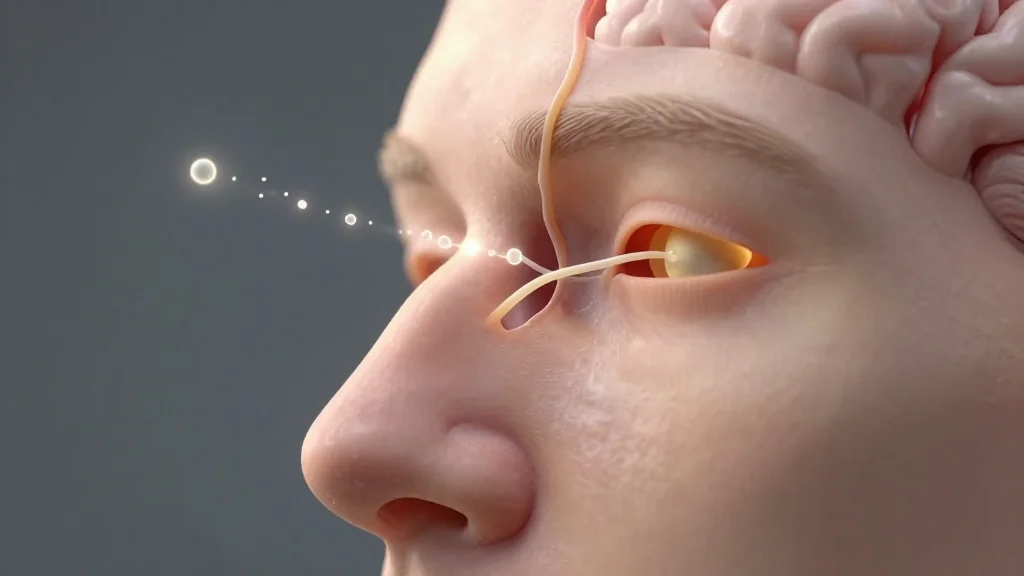
An Accumulative Vesicle Load Hypothesis of Neurodegenerative Disease

Key Takeaways
- •Bacterial extracellular vesicles can travel from mouth, nose to brain.
- •Vesicles may trigger neuroinflammation and metabolic dysfunction in aging.
- •Cumulative lifetime exposure forms the basis of the Accumulative Vesicle Load Hypothesis.
- •Nasal fluid, saliva, blood vesicle profiling proposed for early Alzheimer detection.
- •Hypothesis opens avenues for biotech interventions despite limited direct human evidence.
Pulse Analysis
The concept of extracellular vesicles—tiny, lipid‑bound packets released by cells—has moved from basic biology to a potential linchpin in neurodegenerative research. Recent studies link chronic peripheral infections, especially in the oral and upper airway microbiomes, to systemic inflammation that may seed the brain with bacterial vesicles. These particles can cross the blood‑brain barrier or hitch rides along cranial nerves, delivering microbial proteins and lipids that disturb glial homeostasis and metabolic pathways, thereby amplifying the cascade of Alzheimer’s‑related damage.
Building on this foundation, the Accumulative Vesicle Load Hypothesis posits that lifelong exposure to bacterial vesicles creates a hidden burden that predisposes specific brain regions—such as the olfactory bulb and limbic system—to early pathology. The hypothesis integrates vascular transport, direct neural routes, and the cumulative effect of repeated vesicle influx. Crucially, it suggests that profiling vesicle signatures in readily accessible fluids could serve as a non‑invasive biomarker for pre‑clinical Alzheimer’s, offering a window for intervention before irreversible neuronal loss occurs.
For the biotech and diagnostics sectors, the hypothesis signals a shift toward microbiome‑centric strategies. Companies can leverage high‑throughput vesicle isolation and omics platforms to develop screening kits, while therapeutic pipelines may explore vesicle‑blocking agents or engineered decoys. Investment interest is likely to rise as funding agencies prioritize interdisciplinary approaches that bridge microbiology, neurology, and precision medicine. Nonetheless, translating these insights into marketable products will require rigorous clinical validation to overcome the current paucity of direct human evidence.
An Accumulative Vesicle Load Hypothesis of Neurodegenerative Disease
Comments
Want to join the conversation?