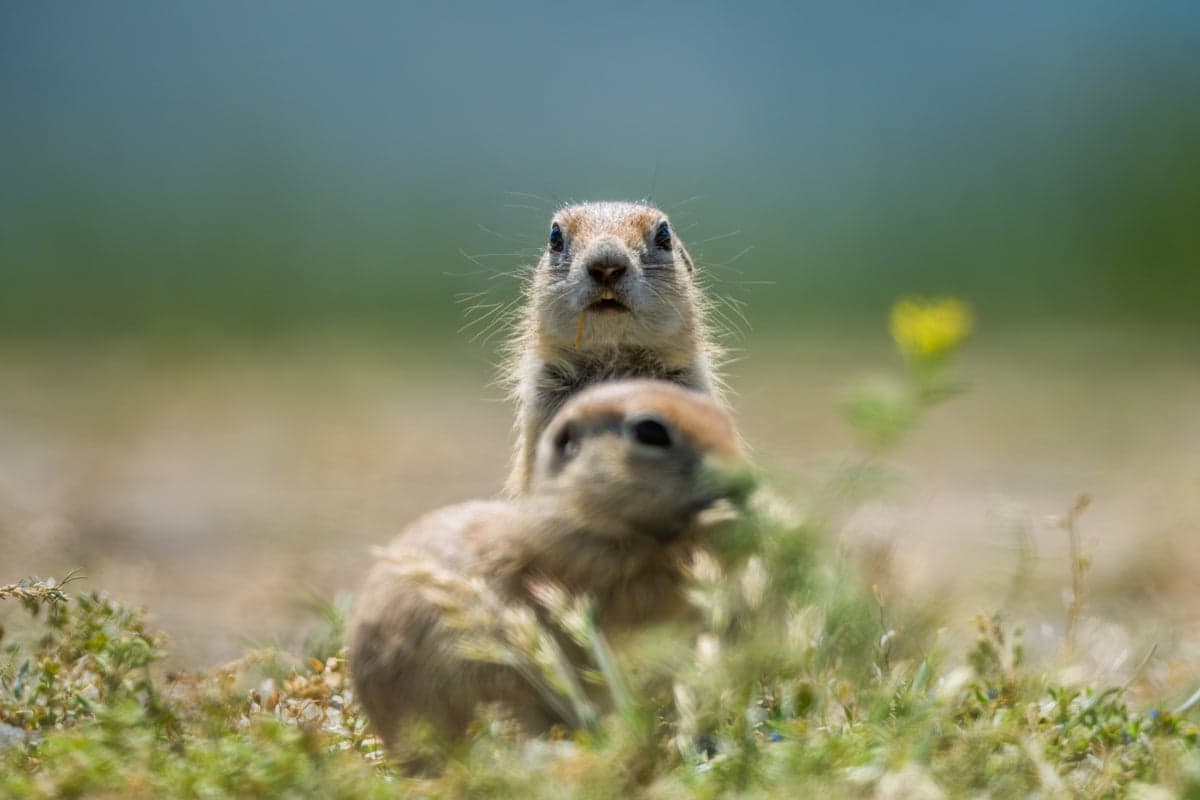
Ancient Ground Squirrels Feasted on Carcasses Like ‘Zombies of the Pleistocene’
Why It Matters
The discovery demonstrates that small‑mammal feces can preserve high‑quality ancient DNA, opening a new window into Pleistocene ecosystems and improving our understanding of megafaunal extinction dynamics.
Key Takeaways
- •700,000‑year‑old squirrel coprolites contain mammoth mitochondrial DNA
- •New ground‑squirrel lineage Urocitellus undulatus identified from ancient DNA
- •Squirrels scavenged megafauna carcasses, acting as Pleistocene “zombie” feeders
- •Coprolites offer untapped paleo‑environmental archive beyond bones and sediments
Pulse Analysis
Ancient DNA research has traditionally relied on bones, teeth and sediment, but the recent analysis of ground‑squirrel coprolites shows that fossilized feces can rival these sources in genetic fidelity. By extracting mitochondrial genomes from specimens dated between 700,000 and 17,000 years ago, scientists have accessed a continuous dietary record that captures both flora and fauna. This approach not only expands the molecular toolbox for paleogenomics but also provides a time‑stamped snapshot of ecosystem interactions during the Pleistocene, a period marked by dramatic climate oscillations and megafaunal turnover.
The study uncovered a surprising dietary breadth: the squirrels consumed grasses, insects, and the carcasses of iconic megafauna, including woolly mammoths, bison and the extinct North American cheetah. Moreover, DNA analysis revealed a previously unknown ground‑squirrel lineage, Urocitellus undulatus, extending the known biogeographic range of the genus into Siberia and Central Asia. These findings reshape our view of Pleistocene food webs, suggesting that small mammals played a more active scavenging role than previously thought, potentially influencing nutrient cycling and carcass decomposition rates across permafrost landscapes.
Looking ahead, researchers see coprolite archives as a low‑cost, widely distributed resource for reconstructing past environments. By pairing squirrel fecal DNA with climate proxies and archaeological data, scientists can refine models of species distribution, migration patterns, and extinction pressures. The method also holds promise for monitoring ancient pathogen dynamics and plant community shifts, offering a holistic perspective that bridges genetics, ecology, and climate science. As more permafrost sites are surveyed, coprolites could become a cornerstone of next‑generation paleo‑research, informing both academic inquiry and conservation strategies aimed at preserving today’s fragile ecosystems.
Ancient ground squirrels feasted on carcasses like ‘zombies of the Pleistocene’
Comments
Want to join the conversation?
Loading comments...