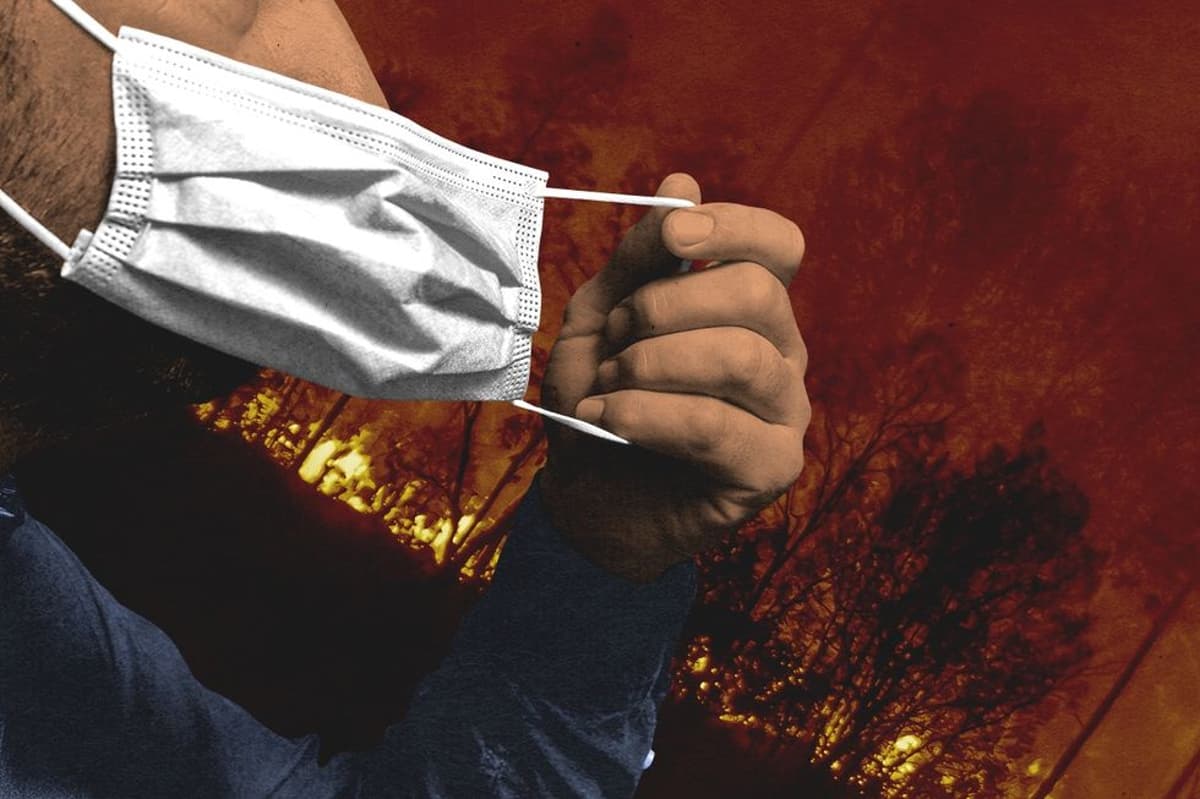
Anti-Mask Sentiment Is Making It Hard to Protect People From Wildfire Smoke
Key Takeaways
- •Wildfire smoke linked to ~25,000 U.S. deaths annually.
- •N95 masks filter 95% of smoke particulates, unlike cloth masks.
- •Anti‑mask sentiment hampers public health response to worsening air quality.
- •Federal research funding cuts threaten advances in smoke mitigation.
Pulse Analysis
The United States is confronting an unprecedented wildfire season, driven by record‑high winter temperatures and historic snowpack deficits across the West. As fire‑prone acreage expands, smoke plumes now blanket more than 25 million people each year, delivering fine particulate matter that epidemiologists tie to premature mortality, cardiovascular events, and even neurodevelopmental outcomes in children. Recent analyses of over 8.6 million California births suggest a measurable rise in autism risk when pregnant women inhale wood‑smoke pollutants, underscoring the long‑term societal costs of inaction.
Mask efficacy is clear: N95 respirators block roughly 95% of the sub‑micron particles that make wildfire smoke so toxic, while surgical and cloth options provide markedly lower protection. Yet the politicized legacy of COVID‑19 has turned a simple health tool into a cultural flashpoint. Studies show that fact‑based messaging fails to shift anti‑mask attitudes; instead, framing protection as a shared community value and aligning it with trusted in‑group identities yields modest behavioral gains. Public‑health agencies must therefore blend scientific data with culturally resonant narratives to encourage consistent mask use during prolonged smoke events.
Compounding the behavioral hurdle, federal agencies have dramatically trimmed research budgets for air‑quality and climate science, curtailing studies that could refine filtration technologies, indoor air‑cleaning solutions, and targeted outreach programs. Without robust funding, the pipeline for innovative respirators and evidence‑based policy guidance stalls, leaving vulnerable populations—children, the elderly, and those with pre‑existing conditions—exposed. Stakeholders ranging from local governments to private manufacturers should advocate for restored and increased investment, ensuring that scientific advances translate into practical protections as wildfire smoke becomes an enduring feature of the American environment.
Anti-Mask Sentiment Is Making It Hard to Protect People From Wildfire Smoke
Comments
Want to join the conversation?