Key Takeaways
- •Australia spent $130 M for ESO strategic partnership access since 2017.
- •Partnership yielded >500 Australian‑led proposals and 100+ refereed papers.
- •Full ESO membership would cost ~$50 M annually for ELT and ALMA access.
- •Loss of preferential VLT time threatens early‑career researcher opportunities.
- •No alternative optical‑telescope agreements leave Australia reliant on aging Siding Spring.
Pulse Analysis
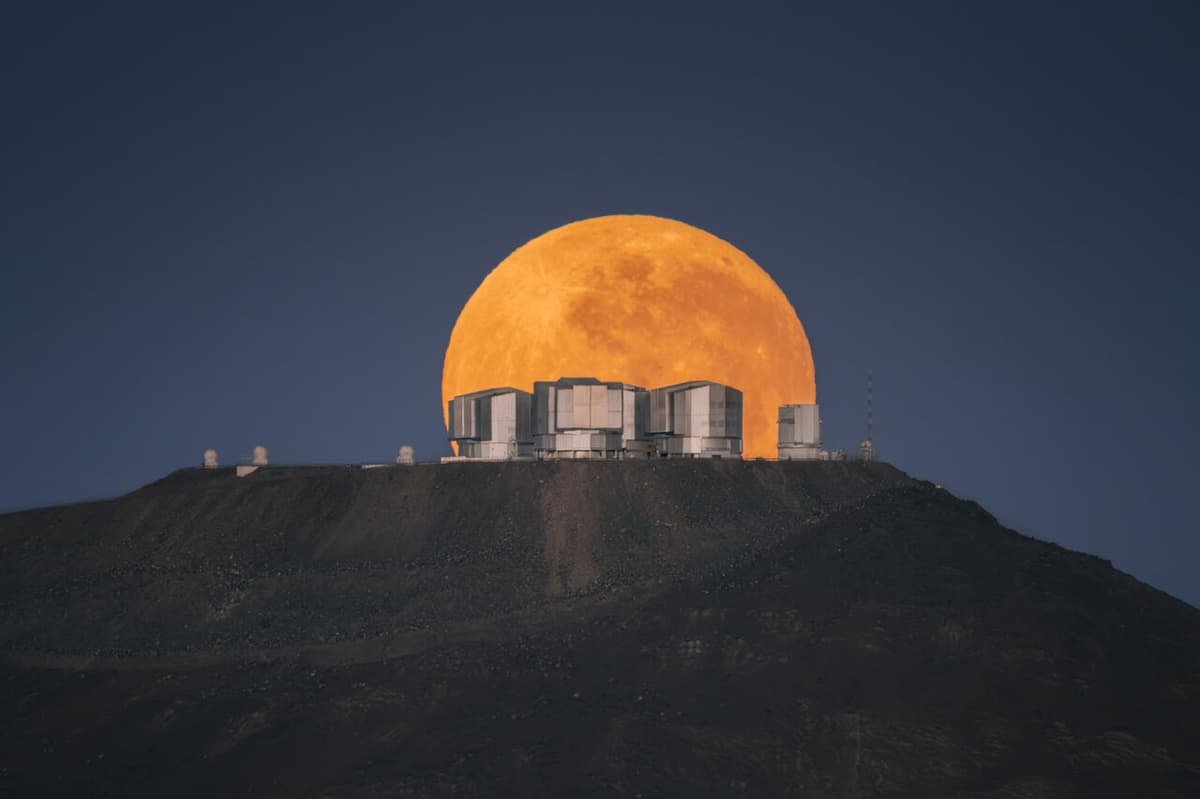
The European Southern Observatory (ESO) partnership has been a cornerstone of Australian astronomy for a decade. By pooling resources with a dozen other nations, Australia secured premium access to Chile’s world‑class sites, including the Very Large Telescope (VLT) and its interferometer. This arrangement translated into a steady stream of high‑impact science: over 500 Australian‑led proposals, more than 100 peer‑reviewed papers, and coveted slots in the ESO Summer Studentship programme that nurture the next generation of astronomers. The collaboration also fed into ESO’s technology development pipeline, giving Australian engineers a seat at the table for cutting‑edge instrument design.
Financial prudence drove the government’s decision to forgo full ESO membership, which would have required roughly $50 million annually. While that figure is modest compared to the $330 million annual economic contribution of astronomy to Australia, the budgetary calculus ignored the strategic value of guaranteed access to the forthcoming 30‑metre Extremely Large Telescope (ELT) and the Atacama Large Millimetre Array (ALMA). The loss of preferential VLT time and the summer programme means early‑career researchers will face stiffer competition for telescope slots, potentially slowing their career progression and diminishing Australia’s presence in high‑profile discoveries such as black‑hole mergers and exoplanet characterisation.
With the ESO partnership set to expire, Australian institutions are scrambling for a “Plan B.” Options include forging bilateral agreements with other large‑aperture facilities or bolstering domestic assets like the Siding Spring Observatory, whose future funding remains uncertain. The gap also highlights a broader policy challenge: balancing investment in radio astronomy, exemplified by the Square Kilometre Array, against the need for optical capabilities that enable multi‑wavelength science. A coordinated national strategy that secures new international partnerships or expands existing ones will be essential to keep Australian astronomy competitive on the global stage.
Australia is closing its Very Large eyes to the Universe
Comments
Want to join the conversation?