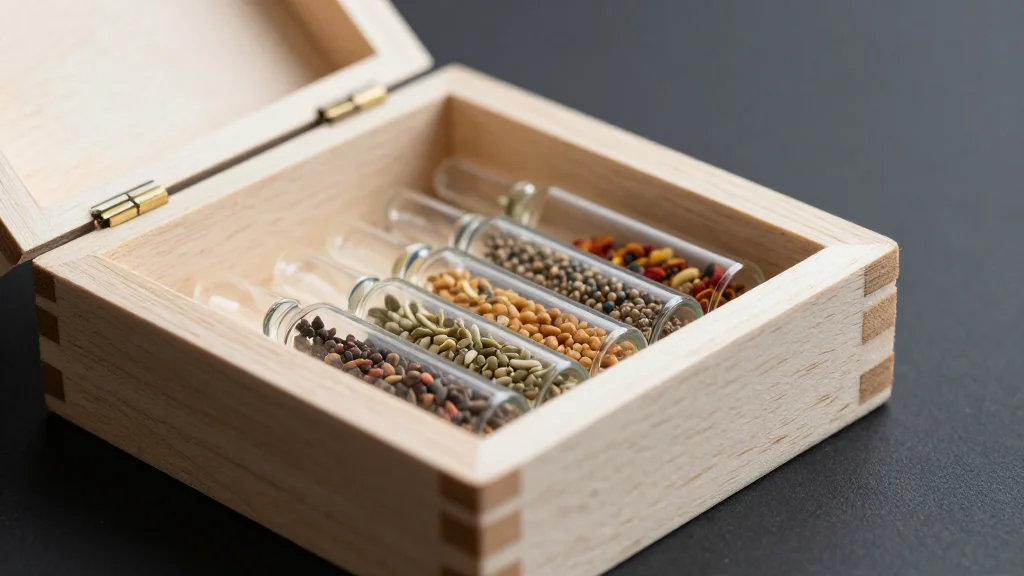
Brainfood: Targets, Plant Treaty, Decolonization, Fonio Germination, Recalcitrant Seeds, Microbiome, Taro Seed System
Key Takeaways
- •Only 21% of threatened plants stored in genebanks worldwide
- •Plant Treaty case studies show half chance to boost germplasm exchange
- •Climate change threatens fonio germination, urging proactive breeding
- •Seed aging alters microbiome, risking seed vigor and diversity
Pulse Analysis
Genebanks remain the frontline defense against the loss of plant genetic diversity, yet the latest figures reveal a stark shortfall: just over one‑fifth of threatened species are safely stored. This gap is especially pronounced in Europe and western Asia, regions that host a wealth of agricultural heritage but lack the capacity to conserve it comprehensively. The shortfall limits breeders’ access to novel traits needed for climate‑resilient crops, amplifying the urgency for expanded collection efforts and better international coordination.
Policy frameworks such as the International Treaty on Plant Genetic Resources for Food and Agriculture (the Plant Treaty) are designed to facilitate germplasm exchange, but real‑world outcomes vary. Four Colombian case studies demonstrate that, even with treaty support, the probability of successful exchange hovers around 50%, reflecting logistical, legal, and socio‑cultural barriers. Moreover, Indigenous communities raise valid concerns about seed banking perpetuating colonial extractive practices, urging a shift toward collaborative, benefit‑sharing models that respect traditional knowledge and sovereignty.
Technical challenges compound the policy and conservation dilemmas. Climate‑driven shifts in temperature and precipitation are already disrupting fonio millet germination, a staple for West African farmers, signaling the need for pre‑emptive breeding programs. Recalcitrant seeds such as Euterpe edulis defy conventional dry‑storage methods, demanding innovative cryopreservation or in‑situ strategies. Additionally, recent research shows that accelerated seed aging can erode the diversity of associated bacterial communities, potentially compromising seed vigor. Addressing these issues—through refined storage protocols, microbiome stewardship, and robust seed systems for crops like taro—will be pivotal for safeguarding the genetic foundation of future agriculture.
Brainfood: Targets, Plant Treaty, Decolonization, Fonio germination, Recalcitrant seeds, Microbiome, Taro seed system
Comments
Want to join the conversation?