Key Takeaways
- •Powell & Ouarghidi traced collard origins to 10th‑century trans‑Saharan trade
- •Genetic analysis links African collards to South American varieties
- •Findings reshape understanding of pre‑colonial crop exchange routes
- •Study highlights resilience of traditional vegetables in arid regions
- •Podcast interview expands public awareness of ethnobotanical research
Pulse Analysis
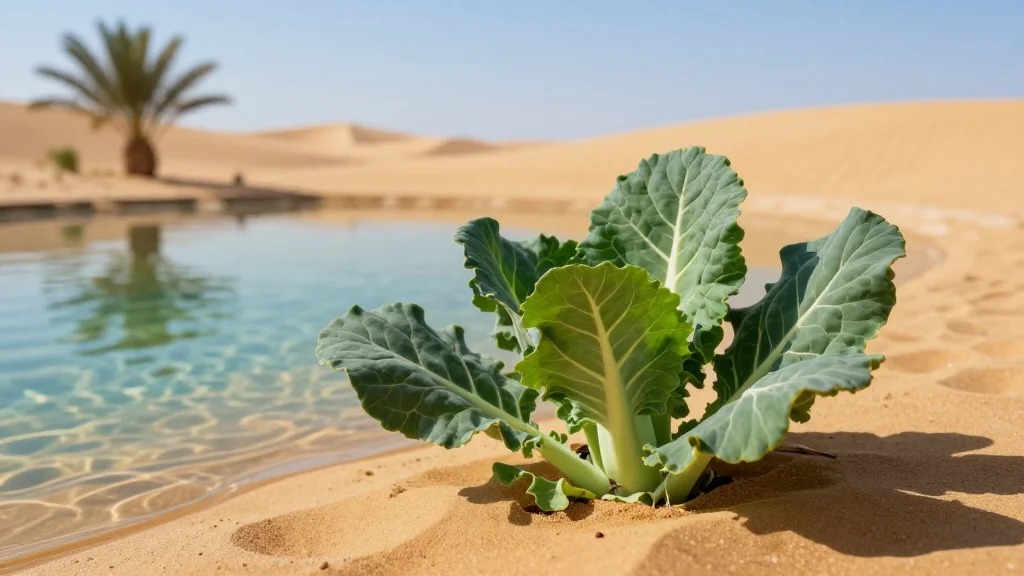
The new research by Powell and Ouarghidi combines archival records, linguistic clues, and modern DNA sequencing to trace collard greens from their New World origins to isolated oases on the Sahara’s edge. By pinpointing a 10th‑century trans‑Saharan caravan route, the authors demonstrate that African farmers incorporated the hardy Brassica leaf vegetable long before European contact, challenging the prevailing timeline of crop diffusion. Their findings, published in Economic Botany and distilled for a broader audience in The Conversation, underscore the value of interdisciplinary ethnobotany in uncovering hidden agricultural pathways.
Beyond academic intrigue, the study reshapes our understanding of pre‑colonial food systems across the Sahel. It reveals that ancient trade networks facilitated the exchange of nutrient‑dense crops, bolstering resilience in regions prone to drought and desertification. Recognizing collards as a historically entrenched staple highlights their potential role in contemporary food‑security initiatives, especially as climate change pressures farmers to adopt crops that thrive in marginal soils and limited water.
The public‑facing podcast episode amplifies the research’s relevance, translating complex genetic data into actionable insights for growers, seed banks, and policy makers. By spotlighting traditional varieties that have survived centuries of harsh conditions, the conversation invites modern breeders to tap this genetic reservoir for drought‑tolerant traits. In an era where preserving agrobiodiversity is paramount, the collard story exemplifies how deep‑time crop histories can guide sustainable agriculture and cultural heritage preservation.
Brassica on the brink
Comments
Want to join the conversation?