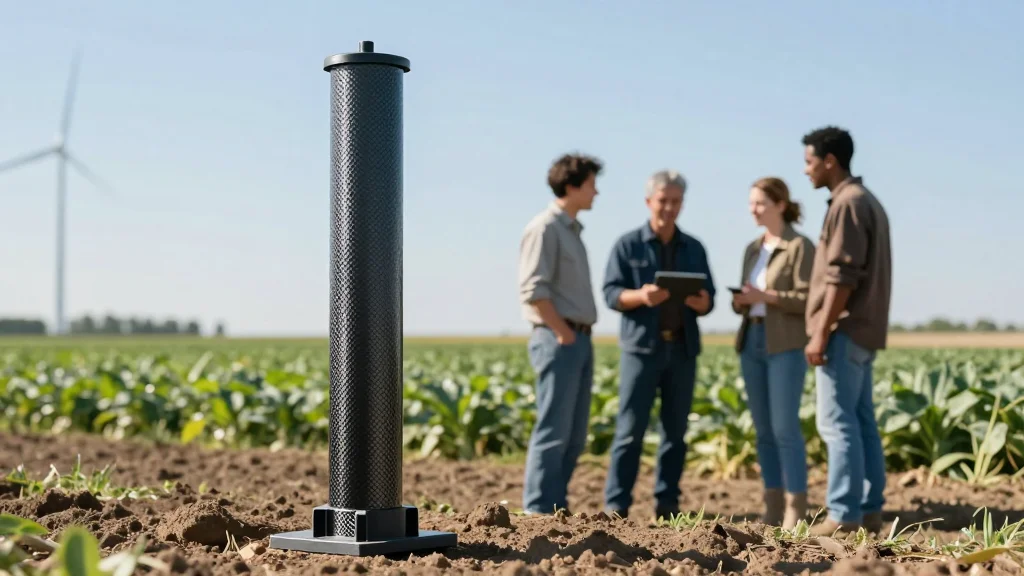
Carbon Removal Is Coming Home — Science and Justice Must Meet It There.
Key Takeaways
- •Technical advances outpace community engagement frameworks
- •Early stakeholder input reduces project delays
- •Local knowledge improves design and reduces uncertainty
- •Shared evaluation tools bridge science and equity
- •Investor confidence hinges on governance and legitimacy
Pulse Analysis
The rapid evolution of carbon removal technologies has generated excitement across academia, industry, and climate policy circles. Yet the conversation often splits: engineers focus on cost curves and scalability, while social scientists discuss community impacts only after projects are sited. This bifurcation creates a timing mismatch, where communities are asked to react rather than shape outcomes, fostering resistance that can stall or derail deployments. Bridging this gap requires a unified language that evaluates both carbon efficacy and social outcomes, ensuring projects are technically sound and locally acceptable.
Carbon180 exemplifies a proactive response by merging its Science and Innovation team with its Equity and Justice unit. The organization has introduced shared frameworks that assess technical performance alongside equity metrics, enabling developers to anticipate community concerns early. By prioritizing early engagement, local knowledge—ranging from ecosystem nuances to cultural priorities—feeds directly into project design, reducing uncertainty and enhancing durability. This integrated model not only streamlines regulatory approvals but also signals to investors that projects are governed responsibly, lowering perceived risk.
For policymakers and capital providers, the stakes are high. Climate legislation depends on sustained public backing, which is more likely when communities see tangible benefits and have a voice in decision‑making. Investors, seeking long‑term returns, look for clear governance structures and evidence that projects can operate without costly legal challenges. Embedding equity considerations from the start therefore accelerates financing flows and supports the rapid scaling needed to address hard‑to‑abate emissions. In sum, marrying scientific rigor with justice‑oriented practices positions carbon removal as a credible, socially resilient pillar of the net‑zero transition.
Carbon removal is coming home — science and justice must meet it there.
Comments
Want to join the conversation?