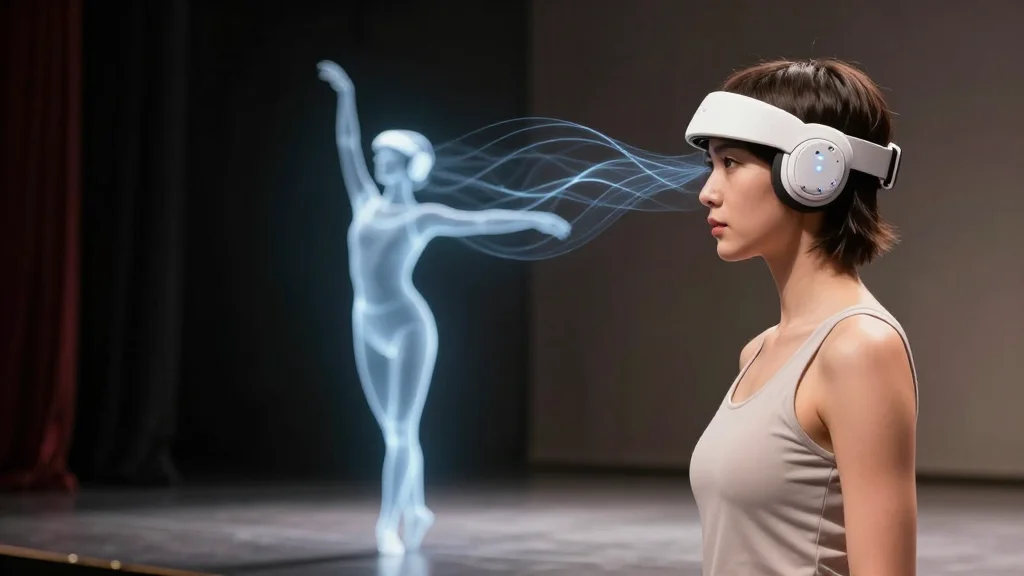
Dancer with a Motor Neuron(e) Disease (MND) Guides Her Digital Avatar Through a Stage Performance
Key Takeaways
- •ALS dancer Breanna Olson performed via brain‑wave‑controlled avatar in Amsterdam
- •EEG headset from Dentsu Lab and NTT turned imagined moves into motion
- •“Waves of Will” showcases first live mixed‑reality dance driven by brain signals
- •Project aims to make brain‑wave interfaces affordable for broader ALS accessibility
- •Collaboration highlights tech‑creativity partnership driving inclusive experiences in the metaverse
Pulse Analysis
Brain‑computer interfaces (BCIs) have moved from laboratory prototypes to public stages, and the Amsterdam "Waves of Will" performance illustrates that shift. ALS, a progressive motor neuron disease, robs patients of voluntary muscle control while leaving cognition intact, creating a unique demand for alternative expression channels. By capturing electroencephalogram (EEG) signals and mapping them to predefined dance motifs, the technology gave Breanna Olson a digital body that could move in sync with her intent, effectively bypassing her physical limitations. This breakthrough underscores how neurotechnology can translate internal motor plans into external artistic output, a concept that could reshape rehabilitation and creative therapies worldwide.
The technical backbone of the show rests on a partnership between Dentsu Lab, a creative R&D hub, and NTT, a global telecom leader. Their EEG headset isolates motor‑related brain activity, filters ambient noise, and feeds the data into a real‑time translation engine that selects avatar movements. Unlike earlier, costly BCI setups, the duo emphasizes scalability and cost reduction, aiming to democratize access for ALS communities. The system’s modular design also positions it for integration into broader metaverse platforms, where users could manipulate avatars or virtual objects using thought alone, opening new revenue streams for hardware manufacturers and software developers alike.
Culturally, "Waves of Will" challenges the perception that high art is reserved for physically able bodies. By merging cutting‑edge neuroscience with choreography, the performance demonstrates that technology can preserve and even expand human creativity. As audiences experience a dancer’s will manifested through pixels, industry stakeholders—from entertainment conglomerates to health insurers—must consider the commercial and ethical implications of such immersive experiences. The success of this pilot may accelerate investment in BCI‑driven content, prompting a wave of inclusive productions that blend art, medicine, and digital innovation, ultimately redefining what it means to perform on stage in the AI‑augmented era.
Dancer with a motor neuron(e) disease (MND) guides her digital avatar through a stage performance
Comments
Want to join the conversation?