Key Takeaways
- •ASPI ranks China first in 66 of 74 critical technologies.
- •Trump dismissed all 22 NSF board members, raising governance concerns.
- •1979 US‑China Science Technology Agreement now limited, excludes private sector.
- •ISS partnership shows physical interdependence can survive geopolitical tension.
- •Revamping USCSTA with joint labs and data sharing could sustain long‑term collaboration.
Pulse Analysis
The latest assessment by the Australian Strategic Policy Institute paints a stark picture: China now leads in the overwhelming majority of the world’s critical technologies. Coupled with recent turmoil at the National Science Foundation—where President Trump removed the entire oversight board—the United States faces both strategic and operational challenges in maintaining its research edge. These developments underscore a broader trend where funding uncertainty and policy volatility risk eroding the nation’s capacity to innovate at the pace required to stay competitive in AI, quantum computing, and other frontier fields.
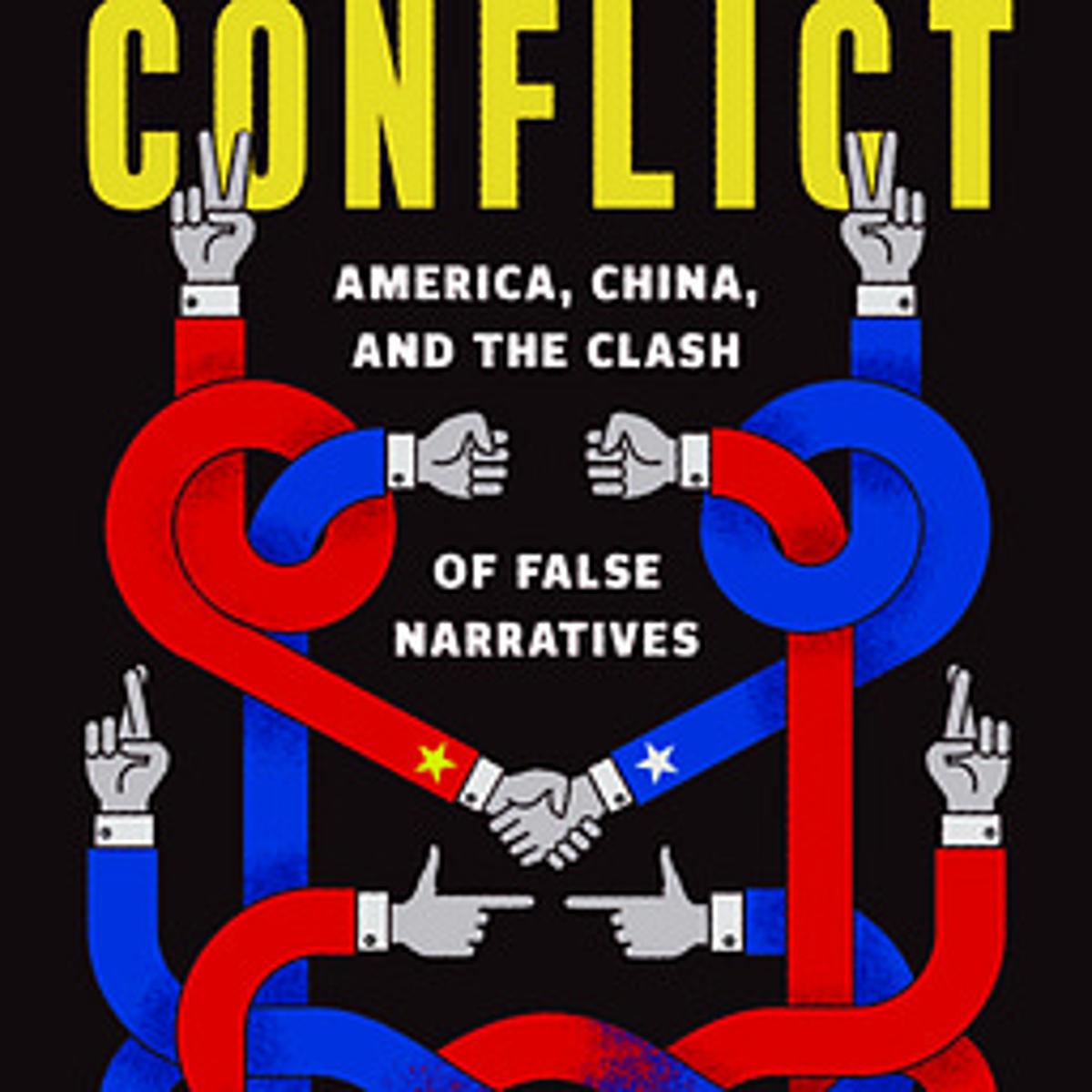
Historically, scientific collaboration has survived even the most fraught geopolitical rivalries. The 1979 U.S.-China Science and Technology Agreement, once a robust conduit for joint research, has been reduced to a narrow government‑to‑government pact that sidelines universities, private firms, and emerging technologies. By contrast, the U.S.-Soviet partnership that birthed the International Space Station demonstrated how codependent projects—sharing propulsion, power, and crew responsibilities—can forge durable ties that outlast political discord. The ISS model shows that when missions demand mutual reliance, collaboration becomes a strategic imperative rather than a diplomatic afterthought.
To translate that success to the U.S.-China context, policymakers must overhaul the current agreement. Introducing provisions that protect scholars, harmonize data‑security standards, and create joint research facilities would embed interdependence across AI, quantum, and fusion initiatives. Establishing shared funding streams and cross‑credentialed staffing pipelines would bind institutions financially and intellectually, raising the cost of disengagement. Such a revitalized framework could sustain long‑term cooperation, ensuring that scientific progress serves humanity rather than becoming a zero‑sum contest between superpowers.
From Russia With Love
Comments
Want to join the conversation?